
Navigating the vast, arid landscapes of Nevada requires more than just a sense of adventure; it demands careful planning, especially when it comes to your travel budget. Whether you are driving through the neon-lit corridors of Las Vegas or venturing into the desolate beauty of the Great Basin National Park, fuel costs are a significant variable in any road trip equation. Understanding the dynamics of fuel pricing in the Silver State helps travelers maintain their budget, allowing for more spending on experiences, dining, and lodging.
Understanding the Factors Influencing Fuel Prices
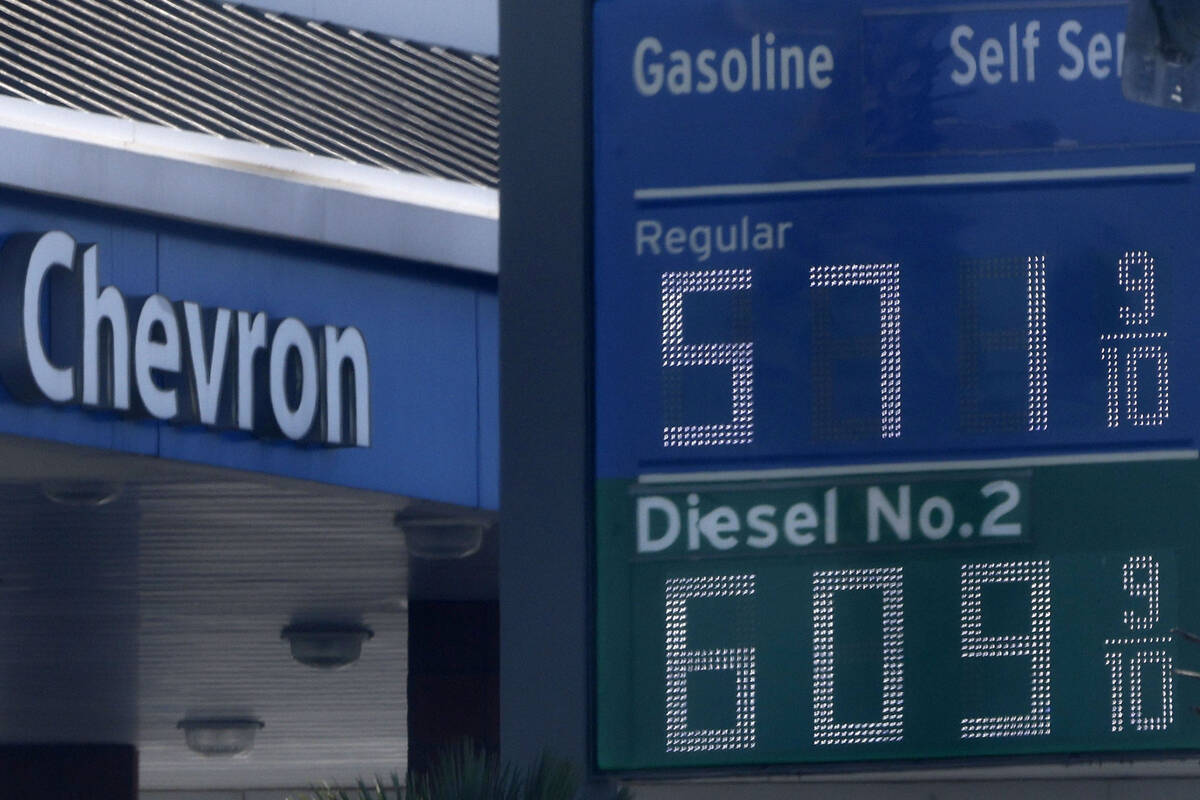
Gas prices in Nevada are rarely static. As a traveler, it is essential to recognize that what you pay at the pump is determined by a complex mix of logistical, geographical, and economic factors.

The Impact of Geographical Isolation
Unlike states with extensive pipeline access or coastal refineries, Nevada is largely landlocked. Much of the state’s fuel supply must be transported via rail or truck from refineries in California or Utah. This logistical chain adds a “transportation premium” to the cost of gasoline. When you see prices fluctuating in remote towns along U.S. Route 50—often called “The Loneliest Road in America”—you are seeing the added cost of hauling fuel to isolated, low-volume service stations.
Refined Supply Chain Constraints
Nevada often draws its fuel from California, which utilizes a unique, environmentally regulated gasoline blend. Because Nevada adopts many of these strict environmental standards to maintain air quality, the state is tethered to the California market’s volatility. If there is a maintenance issue at a refinery in Los Angeles or an export shift, the ripple effect is felt immediately at stations in Reno and Carson City.
Strategies for Managing Travel Budgets on the Road
For those engaging in budget travel, fuel is often the most significant “surprise” expense. Managing this cost requires a shift in mindset from impulsive refueling to strategic planning.
The Urban vs. Rural Price Paradox
Visitors often assume that fuel will be cheaper in major metropolitan areas due to higher competition. While this is generally true in Las Vegas, where numerous gas stations compete for the tourist dollar, the rule flips as soon as you head into the rural interior.
In remote locations, you might find only one gas station for over a hundred miles. In these instances, the concept of a “competitive price” disappears. When visiting attractions like Red Rock Canyon National Conservation Area or heading toward the Valley of Fire State Park, try to fill up in the city limits before heading into the wild.
Leveraging Technology and Travel Tools
Modern travelers have an advantage that previous generations did not: real-time data. Utilizing mobile applications that track fuel prices can save you significant amounts over the course of a multi-state road trip. These tools allow you to:
- Identify the lowest price within a five-mile radius.
- Check prices along a planned route to see if it is cheaper to wait for the next town.
- Avoid the “tourist traps” where fuel prices are marked up significantly near popular landmarks like Hoover Dam.
The Hidden Costs of Scenic Drives
Nevada is a state built for road trips, but the sheer distance between points of interest can lead to unexpected fuel consumption. If you are planning to traverse the Extraterrestrial Highway or explore the outskirts of Death Valley National Park, your fuel efficiency will change.
The Elevation Effect
The topography of Nevada features a “basin and range” landscape. You will frequently find yourself climbing steep mountain passes and descending into deep basins. The strain on your engine while ascending these grades, combined with the heat, significantly alters your miles per gallon (MPG). Carrying a heavy load of camping gear or excessive luggage only exacerbates this.
Weather and Vehicle Maintenance
Temperatures in Nevada can soar well above 100 degrees Fahrenheit during the summer months. Running the air conditioning constantly in Henderson or Boulder City puts a parasitic drain on the engine. Ensure your vehicle is properly serviced before departing. Under-inflated tires, for example, increase rolling resistance and force the engine to work harder, consuming more gas over long stretches of highway.
Planning Your Fuel Stops Like a Professional
A well-planned itinerary is the hallmark of a savvy traveler. Instead of treating gas as an afterthought, integrate it into your daily logistics.
Categorizing Your Trip
- The Urban Explorer: If you are staying primarily in Las Vegas or Reno, your primary cost will be local traffic and short-distance driving. You can easily scout for the cheapest stations along the outskirts of the metro area.
- The Park Hopper: If your goal is to visit Great Basin National Park or the Black Rock Desert, you are entering the high-risk, high-cost fuel zone. The golden rule here is “half-tank.” Never let your tank drop below half, regardless of what the fuel gauge estimates your “distance to empty” might be. In the desert, a miscalculation can result in a dangerous and expensive situation.
- The Cross-State Trekker: If you are traveling from Northern Nevada to Southern Nevada, identify refueling hubs. Towns like Tonopah or Ely serve as vital intersections. Check the fuel prices in these hubs ahead of time.

Why Price Fluctuations Happen
It is worth noting that Nevada state taxes on motor fuel are reviewed and adjusted periodically. When budgeting for a trip that lasts several weeks, check the state’s Department of Transportation website to see if a recent tax adjustment has occurred. While it may only be a few cents per gallon, on a large SUV or RV, it adds up quickly.
Ultimately, gas prices in Nevada are part of the price of admission for exploring one of the most stunning and diverse states in the United States. By staying informed, planning your route, and understanding the unique geographical challenges of the region, you can ensure that your travel budget remains intact, leaving you free to enjoy the unparalleled sights and sounds that this remarkable destination has to offer.
LifeOutOfTheBox is a participant in the Amazon Services LLC Associates Program, an affiliate advertising program designed to provide a means for sites to earn advertising fees by advertising and linking to Amazon.com. Amazon, the Amazon logo, AmazonSupply, and the AmazonSupply logo are trademarks of Amazon.com, Inc. or its affiliates. As an Amazon Associate we earn affiliate commissions from qualifying purchases.