
For travelers planning an excursion to the Silver State, understanding the financial landscape is just as important as booking the right flight. Whether you are browsing the luxury boutiques of Las Vegas or shopping for supplies for a camping trip in Red Rock Canyon, you will inevitably encounter the state’s sales tax. While tax rates might seem like a dry administrative topic, for the budget-conscious traveler or the high-end shopper, knowing the “real” price of an item is essential for accurate travel planning.
The Fundamentals of Nevada Sales and Use Tax
In Nevada, the sales tax system is a tiered structure consisting of a base state rate plus various local, county, and special district taxes. Because these rates are aggregated at the point of sale, the total percentage can fluctuate depending on exactly where your retail transaction takes place.
The Statewide Base Rate
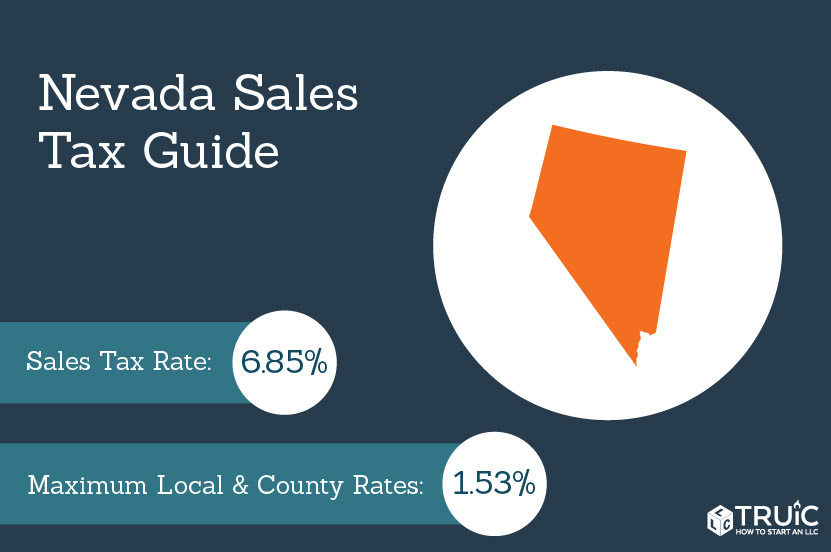
Every transaction in the state begins with a statewide base sales tax rate of 6.85%. This figure is the floor; it is the absolute minimum you will pay on any taxable retail purchase made within state lines. However, it is rare to find a location where the tax is strictly limited to this base rate, as local jurisdictions almost always add supplemental levies to fund infrastructure, transportation, and public services.
Localized Add-ons and Districts
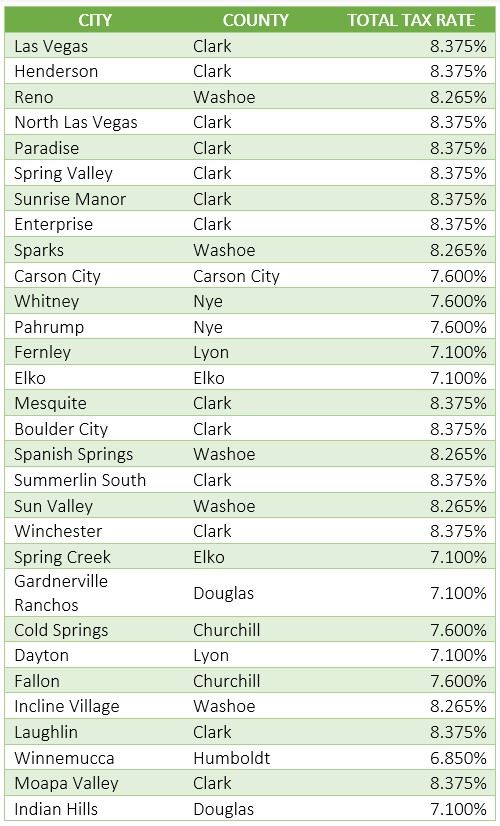
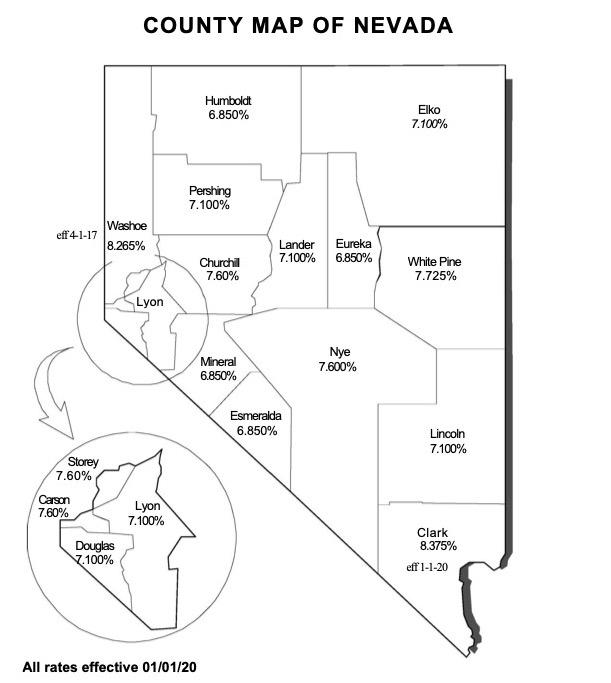
The variance you experience when purchasing a souvenir in Reno compared to Henderson is almost entirely due to local option taxes. Counties across the state have the authority to impose additional sales taxes for specific purposes, such as law enforcement, schools, or tourism promotion. Consequently, most visitors will find that their total sales tax burden typically falls between 7.6% and 8.375%, depending on the specific county and municipality.
Sales Tax Variability by Region
Geography plays a significant role in determining your total checkout price. While the differences may seem marginal on a small coffee or a quick snack, they can become significant when purchasing luxury goods, electronics, or high-end fashion at premium shopping destinations like the Forum Shops at Caesars.
Clark County and the Las Vegas Metropolitan Area
As the primary tourism hub, Clark County has a higher sales tax rate than many of the rural counties. If you are staying at a world-class property like the Bellagio or The Venetian, expect to pay a sales tax rate of approximately 8.375% on retail items. This rate reflects the heavy demand on public infrastructure generated by millions of annual visitors. It is important to note that this percentage is applied to tangible personal property—the physical goods you take home with you.
Rural Counties and Northern Nevada
If your travels take you further afield, perhaps to explore the historical streets of Virginia City or the scenic vistas near Lake Tahoe, you may find slightly lower rates. Rural counties often possess different tax structures, sometimes dipping toward the 7% to 7.6% range. While the difference of a single percentage point may not dictate your entire vacation budget, understanding these variances allows for a more refined approach to how and where you choose to make larger purchases.
What is Taxable? Navigating Exemptions and Specifics
A common point of confusion for travelers is determining what exactly qualifies as a taxable transaction. In Nevada, the definition of “taxable” generally covers most retail goods, but there are vital nuances regarding services and food items that can influence your daily travel spending.
Tangible Personal Property vs. Services
The general rule of thumb is that tangible property—clothes, gadgets, toys, and packaged goods—is subject to sales tax. Conversely, most pure professional services, such as dry cleaning, spa treatments, or guided tour fees, are not subject to the same retail sales tax. However, be aware that some industries have specific “bundled” tax rules. For example, when you rent a vehicle from a major provider at Harry Reid International Airport, the base rental fee might be subject to additional state fees that function similarly to a tax, even if they aren’t explicitly labeled as “sales tax.”
The Grocery Exemption
One of the most traveler-friendly aspects of the Nevada tax code is that most unprepared food items are exempt from sales tax. If you stop at a grocery store to pick up bottled water, snacks, or fruit for a day at Valley of Fire State Park, these items are generally tax-free. However, the moment you move to a restaurant or a prepared food counter, the situation changes. Prepared foods—hot meals, sandwiches made to order, or fountain drinks—are fully taxable. If you are trying to keep costs low, purchasing “unprepared” grocery staples is a savvy way to avoid the local tax surcharge.
Tips for Managing Travel Expenses
Strategic spending is the hallmark of a savvy traveler. When you factor in sales tax, you gain a clearer picture of your total trip cost, preventing “sticker shock” when you reach the cash register.
Budgeting for Large Purchases
If you are planning to make a high-ticket purchase—such as a piece of fine jewelry or a high-end designer watch—it pays to research the specific tax rate of the municipality where you intend to shop. While the rate in Las Vegas is standard for the region, comparing costs between different retail hubs can sometimes reveal minor savings. More importantly, always ensure your final budget includes that 8.375% cushion so you aren’t surprised when the final receipt prints.
Understanding Hotel and Resort Fees
It is vital to distinguish between sales tax and the “resort fees” often found in Nevada lodging. While sales tax is a government-mandated percentage based on the retail value of goods and sometimes room occupancy, resort fees are private charges set by the properties themselves. These fees, which often cover amenities like Wi-Fi, fitness centers, and pool access, are usually subject to the standard sales tax rate, meaning you are effectively paying tax on the fee itself. Always check your booking confirmation for a breakdown of “taxes and fees” to see exactly what portion of your bill is going to the government and what is going to the hotel.
The Value of Local Knowledge
By staying informed, you shift from being a passive tourist to an empowered traveler. Whether you are visiting the Neon Museum or hiking the trails of Mount Charleston, knowing how the tax system works allows you to allocate your funds more efficiently. Remember that the tax you pay contributes directly to the maintenance of the parks, roads, and services that make Nevada an incredible destination to explore. When in doubt, checking a local tax district map or simply asking a merchant about the total tax rate before a large transaction can save you from any unwanted financial surprises. With this foundational knowledge of the tax structure, you are better equipped to navigate the retail landscape of the Silver State with confidence.
LifeOutOfTheBox is a participant in the Amazon Services LLC Associates Program, an affiliate advertising program designed to provide a means for sites to earn advertising fees by advertising and linking to Amazon.com. Amazon, the Amazon logo, AmazonSupply, and the AmazonSupply logo are trademarks of Amazon.com, Inc. or its affiliates. As an Amazon Associate we earn affiliate commissions from qualifying purchases.