
Traveling from the neon-lit excitement of the Mojave Desert to the lush, evergreen landscapes of the Pacific Northwest is a popular route for both business travelers and vacationers. Whether you are trading the high-energy casinos of Las Vegas for the maritime charm of Seattle, understanding the logistics of your flight is essential for a seamless transition.
While the journey is relatively short compared to cross-continental flights, several factors influence your time in the air. On average, a non-stop flight between Harry Reid International Airport and Seattle-Tacoma International Airport takes approximately 2 hours and 30 minutes to 2 hours and 50 minutes. This duration makes it an ideal route for a quick weekend getaway or a productive business trip.

Factors Influencing Flight Duration
Though the physical distance between Nevada and Washington remains constant, your actual “gate-to-gate” time can vary based on several operational variables.
The Impact of Jet Streams and Wind
One of the primary reasons for fluctuations in flight time is the atmospheric wind patterns. Pilots often navigate the jet stream, a high-altitude current of air. When flying north from Las Vegas to Seattle, tailwinds can sometimes push the aircraft along faster, shortening the flight time by several minutes. Conversely, if the aircraft faces strong headwinds, the pilot may need to adjust speed or altitude, which can add a slight cushion to the scheduled arrival time.
Airline Scheduling and Buffers
Airlines often build “schedule padding” into their flight times. You might notice that a flight leaving Las Vegas at 10:00 AM is scheduled to land in Seattle at 12:45 PM, but the actual airtime may be closer to 2 hours and 15 minutes. This extra time accounts for taxiing at the departure gate, potential delays on the runway during peak hours, and taxiing to the arrival gate upon landing at Seattle-Tacoma International Airport.
Aircraft Type
Different aircraft have varying cruising speeds. Major carriers operating this route, such as Alaska Airlines, Delta Air Lines, and Southwest Airlines, utilize various planes ranging from Boeing 737 models to Airbus A320 series aircraft. While the difference in speed between these modern jetliners is often negligible over a flight of this distance, minor variations in performance can occur.
Navigating Major Airports and Routes
Understanding the infrastructure of your departure and arrival points helps minimize stress when traveling between the United States West Coast hubs.
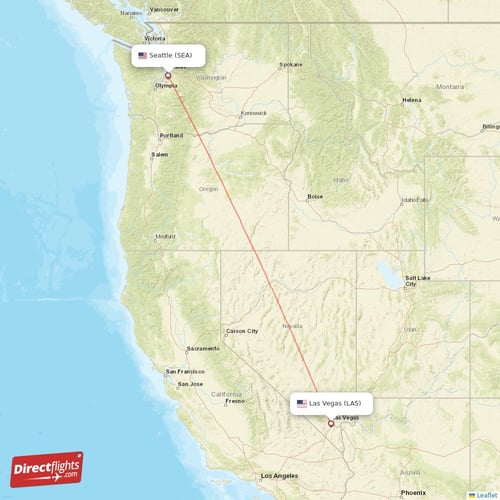
Departing from Harry Reid International Airport
Harry Reid International Airport serves as a massive gateway to the American West. Because of its high volume of traffic, travelers should arrive at the terminal at least two hours before their scheduled departure. Security lines can fluctuate significantly depending on the time of day and the day of the week, particularly during major conventions held at the Las Vegas Convention Center.
Arrival in the Pacific Northwest
Landing at Seattle-Tacoma International Airport, affectionately known as Sea-Tac, introduces you to a significantly different climate and pace. Sea-Tac is one of the busiest airports in the Pacific Northwest, and it acts as the primary hub for those looking to explore Puget Sound or venture further into Washington State. Depending on your final destination within Seattle, you will want to account for ground transportation time. The Link Light Rail provides an efficient connection to the city center, which is especially useful if traffic on the Interstate 5 corridor is heavy.
Connecting Flights vs. Non-Stop Options
While non-stop flights are the gold standard for efficiency, some travelers choose connecting flights. It is worth evaluating the trade-offs before booking your ticket.
The Efficiency of Direct Flights
When you choose a non-stop flight from Las Vegas to Seattle, you eliminate the risks associated with layovers. Delays at a connecting hub—such as Salt Lake City International Airport or San Francisco International Airport—can quickly turn a 3-hour journey into an 8-hour ordeal. For those who value their time, paying a premium for a non-stop ticket is almost always the superior choice.
When to Consider a Connection
There are instances where a layover might be beneficial. If your budget is a primary concern, connections can occasionally offer lower price points. Additionally, if you have a specific airline loyalty program with American Airlines or United Airlines, you might prioritize a connection through one of their hubs to earn additional miles or utilize cabin upgrades. However, always ensure that your connection time is at least 90 minutes to account for any potential arrival delays on the first leg of your trip.

Pro-Tips for Your Journey North
Traveling from the desert climate of Southern Nevada to the rain-kissed city of Seattle requires a bit of foresight regarding comfort and preparation.
- Layering is Key: Las Vegas is often sweltering, whereas Seattle temperatures are generally cooler. Dressing in layers ensures you are comfortable during the transition between these two distinct climates.
- Monitor Flight Status: Use mobile apps to keep an eye on your gate information and potential delays. Airlines update these in real-time, often long before the information is displayed on airport monitors.
- Hydration: Despite the short flight time, air travel is dehydrating. The cabin humidity levels in a Boeing or Airbus are lower than what you are accustomed to on the ground. Drink plenty of water throughout your travel day.
- Ground Transportation: Plan your transit from Sea-Tac in advance. Whether you are headed to Downtown Seattle or a residential neighborhood, knowing your route will save you from the confusion of navigating an unfamiliar airport after a flight.
Ultimately, the flight from Las Vegas to Seattle is a relatively quick, pleasant, and well-serviced route. By focusing on non-stop options and preparing for the minor nuances of air travel, you can ensure that your journey between the Grand Canyon State’s neighbor and the vibrant Pacific Northwest is as smooth as possible. Enjoy the transition from the arid beauty of the high desert to the evergreen wonder of the Evergreen State.
LifeOutOfTheBox is a participant in the Amazon Services LLC Associates Program, an affiliate advertising program designed to provide a means for sites to earn advertising fees by advertising and linking to Amazon.com. Amazon, the Amazon logo, AmazonSupply, and the AmazonSupply logo are trademarks of Amazon.com, Inc. or its affiliates. As an Amazon Associate we earn affiliate commissions from qualifying purchases.