
When planning a long-term relocation or a professional transition to the heart of the United States, understanding local labor customs is as vital as researching the best neighborhoods in Kansas. Whether you are moving to Wichita for a corporate opportunity or settling into a role in Overland Park, navigating the nuances of Paid Time Off (PTO) policies is essential for your financial and personal planning. In Kansas, the regulatory landscape regarding the payout of accrued vacation time upon separation from employment is surprisingly straightforward, yet often misunderstood by both employers and employees.

Understanding Kansas Labor Laws Regarding PTO
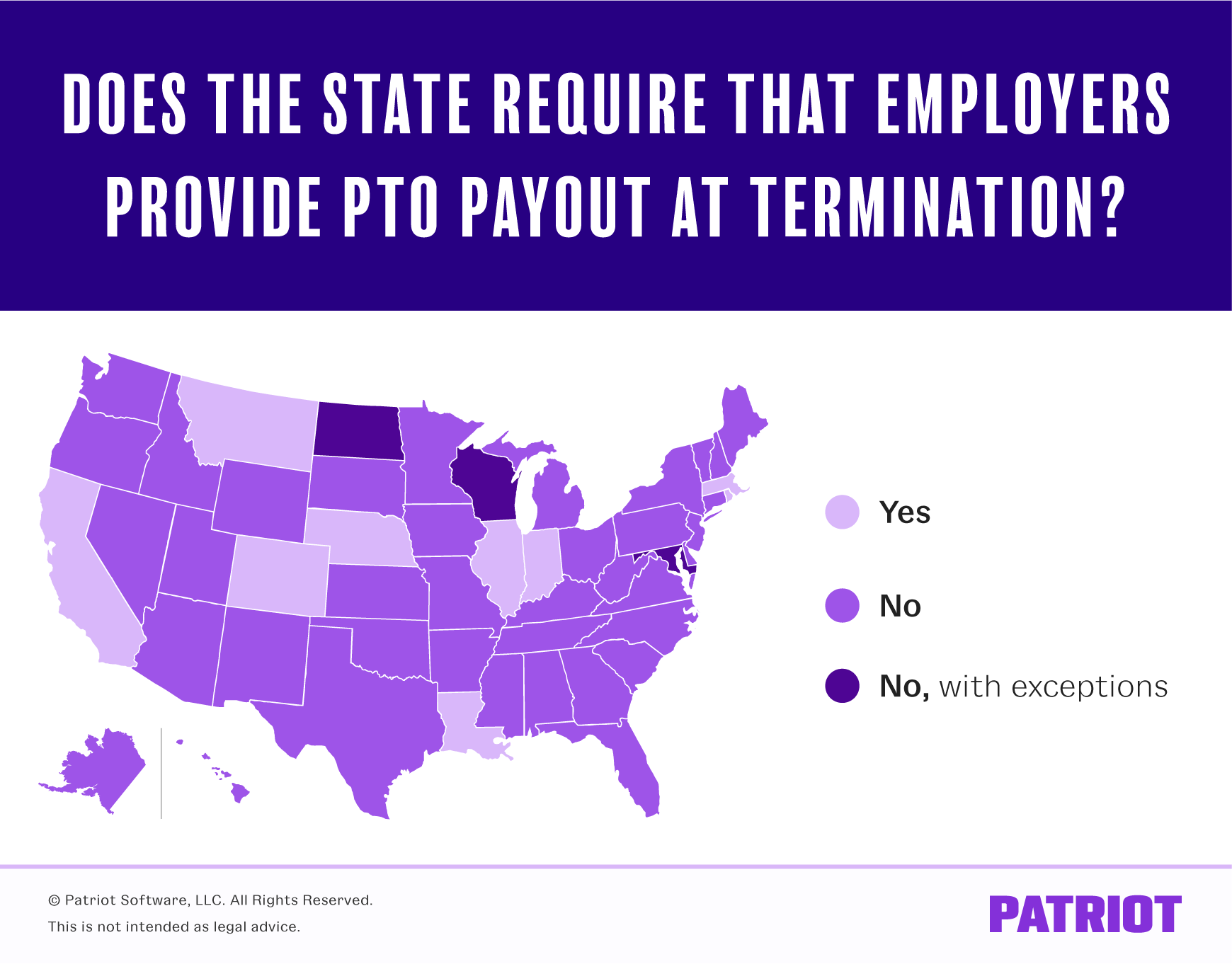
The primary governing body for labor relations in the state is the Kansas Department of Labor. When it comes to the compensation of unused PTO, the state takes a “contract-first” approach. Unlike some jurisdictions that mandate the payout of vacation time as a matter of law, Kansas essentially treats PTO as a matter of private agreement between the employer and the employee.
The Contractual Basis of Accrued Leave
In the absence of a state mandate, the legality of an unpaid PTO balance upon termination depends entirely on the company’s internal policies, employee handbook, or any signed employment contract. If your employer has a written policy stating that accrued leave will be paid out upon resignation or termination, then the company is legally obligated to honor that policy under Kansas law. Conversely, if the policy explicitly states that PTO is forfeited upon separation, or if the policy is silent on the matter, the employer is generally not required to provide compensation for those unused hours.
The Role of Company Policy
Because Kansas law empowers the employer to set the terms, it is highly recommended for professionals moving to cities like Topeka or Lawrence to verify their employment agreements before submitting a resignation. A well-drafted employee handbook serves as a binding contract. If you are preparing to move to the state for a new role, reviewing these specific clauses can prevent unexpected financial shortfalls during your transition.
Navigating Employment Transitions in Kansas
Transitioning between jobs often involves a period of downtime where one might explore the local attractions of Kansas, such as visiting the Cosmosphere in Hutchinson or enjoying the vibrant culture of Kansas City. Knowing your financial standing regarding unused leave is critical for budgeting during these gaps.
Best Practices for Employees
If you are currently employed in Kansas and are contemplating a job change, take the following steps to ensure you protect your earned benefits:
- Review your Employee Handbook: Look for sections labeled “Termination of Employment,” “Vacation Policy,” or “Accrued Leave.”
- Request Clarification: If the policy is ambiguous, send a written request to your HR department asking for confirmation of their specific practices regarding unused PTO payouts.
- Check for State-Specific Exemptions: While Kansas is generally employer-friendly regarding this, ensure your specific industry—such as healthcare or government contracting—does not have specialized collective bargaining agreements that supersede standard company policy.
Communication and Negotiation
Often, PTO payout policies are negotiable during the hiring phase. If you are moving to a new firm in Olathe or Manhattan, you may want to inquire about their leave policies during the offer stage. Many employers are willing to stipulate that accrued leave will be paid out upon departure, especially for high-level positions. Securing this in writing ensures that your “earned” time off is treated with the same weight as your salary.
Differences Between Vacation Pay and Wages
A common point of confusion for those new to Kansas labor law is the distinction between “wages” and “benefits.” Under Kansas statutes, wages are strictly defined as compensation for services rendered. If a company policy classifies PTO as a benefit rather than a wage, the legal requirements for immediate payout—which apply to unpaid final wages—do not necessarily apply to the PTO balance.
Final Paycheck Requirements
Under Kansas law, an employer must pay an employee’s final wages on the next scheduled payday after the employee is terminated or resigns. Because PTO is considered a form of “wage” only if the employer’s policy guarantees it, the failure to pay out earned vacation time only becomes a violation of the Kansas Wage Payment Act if the company policy explicitly guarantees that payment.
When to Seek Legal Counsel
If you have left a company in Kansas and believe you are owed PTO based on a written policy that the employer is refusing to honor, you have options.
- Internal Resolution: Always start by formally documenting the discrepancy with your former employer.
- The Kansas Department of Labor: You can file a wage claim if you believe the policy was clearly violated.
- Consulting an Attorney: For significant amounts of accrued leave, consulting with a labor law professional in Kansas can provide clarity on whether the specific phrasing of your employment contract grants you grounds for a lawsuit.

Lifestyle Considerations for New Residents
For professionals relocating to Kansas, the lifestyle benefits are significant. Beyond the professional landscape, the state offers a high quality of life that pairs well with financial security. Whether you are choosing to live near the bustling University of Kansas or looking for a quiet suburban lifestyle in Leawood, knowing the details of your employment package will help you focus on the aspects of life that matter most.
By ensuring your employment contract is transparent and your PTO policies are clearly documented, you can approach your work-life balance with confidence. Kansas offers a unique blend of affordability and opportunity, and by mastering the local regulations regarding your compensation, you set yourself up for a stable and prosperous future in the state. Whether you are maximizing your vacation time to explore the vast prairies of the Great Plains or simply ensuring your financial exit from a firm is as smooth as possible, the key lies in the fine print.
Always remember that in the absence of a statute, the contract is king. By proactively managing your employment agreements, you can avoid the common pitfalls that catch many employees off guard during career transitions. As you settle into your new home, from the vibrant art districts of Wichita to the charming historic centers of smaller towns, you will find that a little bit of research into local labor norms pays dividends in peace of mind. Whether staying for a season or building a long-term career, being informed is the best way to enjoy everything that Kansas has to offer.
LifeOutOfTheBox is a participant in the Amazon Services LLC Associates Program, an affiliate advertising program designed to provide a means for sites to earn advertising fees by advertising and linking to Amazon.com. Amazon, the Amazon logo, AmazonSupply, and the AmazonSupply logo are trademarks of Amazon.com, Inc. or its affiliates. As an Amazon Associate we earn affiliate commissions from qualifying purchases.