
The “Big Sky Country” has long been a dream destination for those seeking a slower pace of life, rugged landscapes, and an intimate connection with the outdoors. From the towering peaks of the Rocky Mountains to the sweeping plains of Eastern Montana, the state offers a unique lifestyle that few other places can replicate. However, as the secret of Montana has spread, the cost of residing in this majestic state has shifted significantly. Understanding the financial requirements of moving to or living in this region is essential for anyone considering a transition to a life defined by mountain vistas and wide-open spaces.
The Economic Landscape of Montana Real Estate
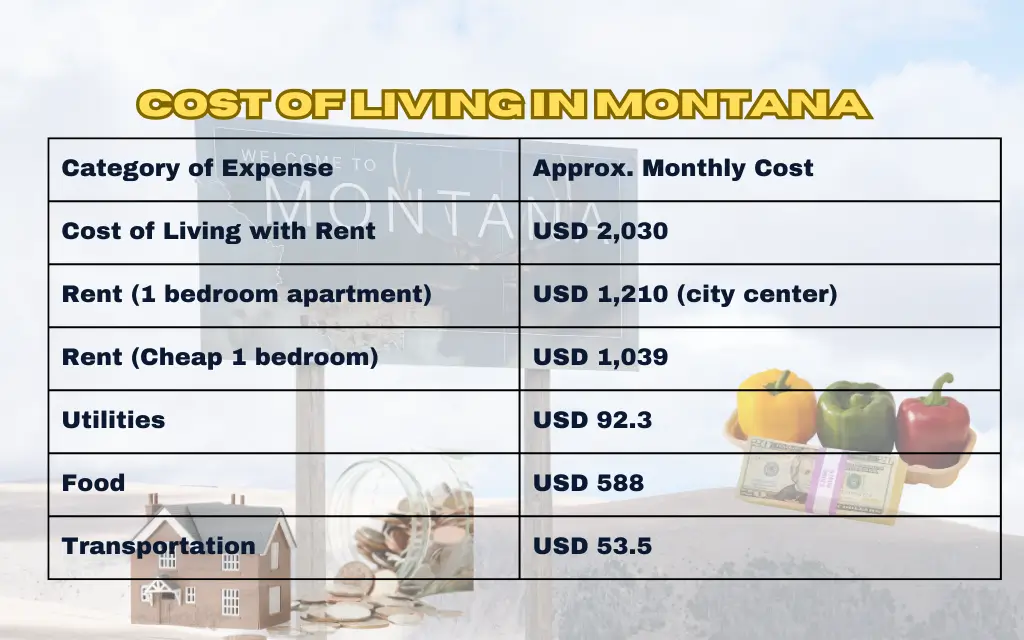
Housing is almost invariably the largest expense for any resident, and in a state like Montana, the market is characterized by extreme variability. The rapid influx of new residents over the past decade has placed upward pressure on property prices, particularly in high-demand hubs.
The Rise of Mountain Town Markets
Cities like Bozeman and Missoula have seen their housing markets transform into premium markets. In Bozeman, proximity to Big Sky Resort and Yellowstone National Park drives home prices to levels far above the national average. Whether you are looking for a condo downtown or a single-family home on the outskirts, the barrier to entry for property ownership in these areas requires a significant capital investment.
Rural vs. Urban Cost Disparities
If you venture further away from the major recreational centers, the cost of housing drops dramatically. Regions such as Great Falls or the smaller communities near Havre offer a much lower cost of living. While you may sacrifice some of the immediate access to world-class skiing or hiking trailheads found near Whitefish, the trade-off is often a more manageable mortgage or rent payment. When evaluating the cost of living, one must decide whether the premium price of a resort-adjacent lifestyle fits within their personal budget or if a quieter, more affordable existence in the rural plains is more sustainable.
Essential Monthly Expenditures and Utilities
Beyond the roof over your head, Montana’s lifestyle entails specific ongoing costs that differ from the typical suburban environment found in more densely populated states.
Energy and Heating Requirements
Because Montana experiences harsh winters, heating is a significant portion of your annual utility budget. Even in modern, well-insulated homes, the demand for natural gas or propane from November through March is substantial. Budgeting for high utility bills during the winter months is a necessity. Many residents also factor in the cost of firewood or pellets if they utilize wood-burning stoves, which remain a popular and efficient way to supplement heat in the colder months.
Transportation and Vehicle Maintenance
In a state where cities are spread hundreds of miles apart, the vehicle you drive is not just a convenience—it is a survival tool. Four-wheel drive or all-wheel drive is considered a standard requirement rather than an luxury. Consequently, the cost of fuel, frequent vehicle maintenance, and higher insurance premiums due to winter driving risks should be included in your monthly budget. Additionally, if you plan on participating in outdoor hobbies, you will likely spend more on the upfront costs and maintenance of specialized gear, trailers, or off-road vehicles.
Grocery, Healthcare, and Service Costs
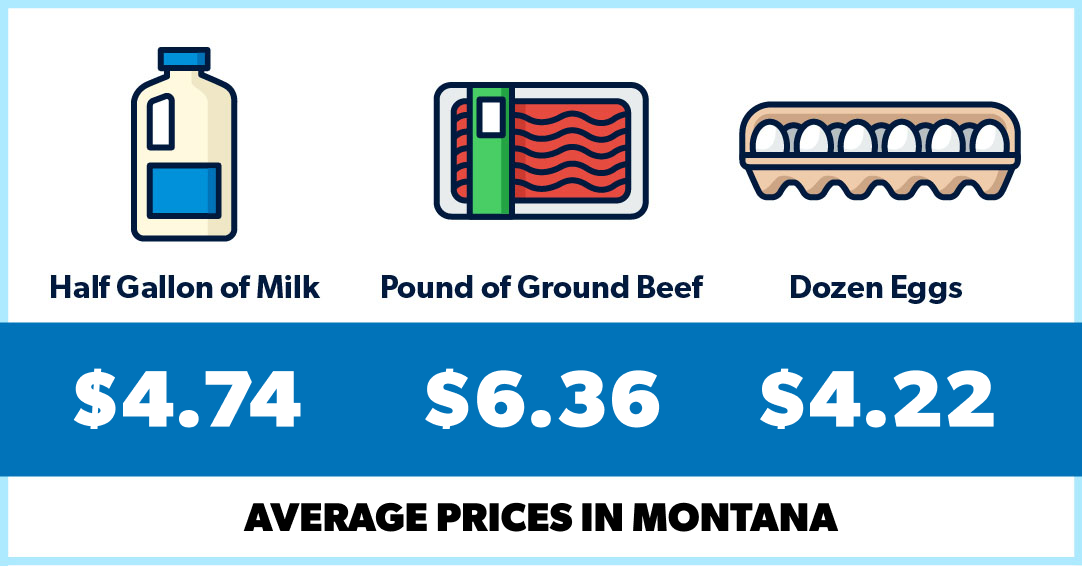
The logistics of getting goods to Montana can influence the price of consumer staples. Because of the state’s massive geographic area and relatively low population density, supply chains are often longer, which can lead to a slight premium on fresh produce, groceries, and shipped goods compared to major coastal hubs.
Accessing Quality Healthcare
Healthcare costs in Montana depend heavily on your proximity to the state’s regional medical centers. Cities like Billings house the most robust healthcare infrastructure, acting as a hub for the entire state and parts of Wyoming. If you live in a remote area, you may face longer travel times for specialized procedures, which adds hidden costs—such as fuel, lodging, and time away from work—to your overall healthcare expenditures.
The Cost of a “Big Sky” Lifestyle
Lifestyle costs are the most subjective part of the Montana financial equation. Residents are often drawn to the state for its recreational opportunities, and these come with their own price tags.
- Recreational Permits: Costs for hunting, fishing, and boating licenses are recurring annual expenses.
- Gear Depreciation: High-quality outdoor gear—from skiing equipment in Whitefish Mountain Resort to fly fishing rods for the Madison River—is an investment that requires ongoing maintenance.
- Dining and Tourism Prices: In areas with high seasonal tourism, dining out and entertainment prices reflect a seasonal market. While locals learn to navigate these costs, they remain a factor for those residing in popular destinations like Kalispell or Helena.
Weighing the Benefits Against the Financials
When calculating whether you can afford to live in Montana, it is helpful to look past the raw numbers and consider the “lifestyle value.” Many who move to the state find that while the cost of living—particularly housing—can be higher than expected, the reduction in stress, the lack of traffic congestion, and the unmatched access to public lands offer a form of “wealth” that is difficult to quantify in a spreadsheet.
Tax Considerations
One often overlooked aspect of the Montana financial picture is the tax structure. Montana does not have a state sales tax, which provides immediate savings on large purchases, from furniture to electronics. However, property taxes can be high, and the state does have a graduated income tax. It is crucial to consult with a financial advisor to understand how your specific income level and property investment will be treated under state tax codes.
Planning for Longevity
For those who are not retired and depend on the local job market, the economy in Montana is evolving. While the tourism and real estate sectors are dominant, there is a growing presence of remote workers and technology-focused businesses. Salaries in Montana may not always match those in major metropolitan hubs like Seattle or San Francisco, so bridging that income gap is a common challenge for new arrivals. By securing remote employment or identifying specific high-demand industries in hubs like Missoula, residents can maintain a high quality of life without feeling the pinch of local wages.
Ultimately, living in Montana is an intentional choice. It requires careful budgeting for the realities of mountain life—harsh winters, long distances, and premium housing—but it rewards residents with a standard of living centered on nature and community. Whether you choose to settle in the bustling town of Bozeman or a quiet acreage near the borders of Glacier National Park, the cost of your residency is essentially an investment in one of the most beautiful and untamed landscapes in the United States. By understanding these financial benchmarks, you can build a life that is both fiscally sound and deeply fulfilling amidst the towering peaks of the North.
LifeOutOfTheBox is a participant in the Amazon Services LLC Associates Program, an affiliate advertising program designed to provide a means for sites to earn advertising fees by advertising and linking to Amazon.com. Amazon, the Amazon logo, AmazonSupply, and the AmazonSupply logo are trademarks of Amazon.com, Inc. or its affiliates. As an Amazon Associate we earn affiliate commissions from qualifying purchases.