
Navigating the social safety net in a state as vibrant and diverse as Nevada requires a clear understanding of the resources available to residents. For those living in the Silver State, access to the Supplemental Nutrition Assistance Program (SNAP), commonly referred to as food stamps, serves as a vital pillar of support for families, seniors, and individuals seeking to maintain nutritional security. Whether you are settling into a new home in Las Vegas or managing your budget while exploring the high desert landscapes near Reno, understanding the application process is the first step toward stability.

Understanding SNAP Eligibility and Requirements
Before initiating an application, it is essential to determine if you meet the fundamental criteria established by the Nevada Department of Health and Human Services. Eligibility is primarily driven by household income, the number of individuals in the household, and specific residency requirements.
Residency and Citizenship Status
To qualify for SNAP benefits in Nevada, you must be a resident of the state. You do not need to have lived there for a specific amount of time, but you must demonstrate an intent to remain. Additionally, you must be a U.S. citizen or meet specific non-citizen eligibility requirements. Documentation is a key component here, as the state requires verification of your identity, address, and the legal status of household members seeking benefits.
Income and Resource Limits
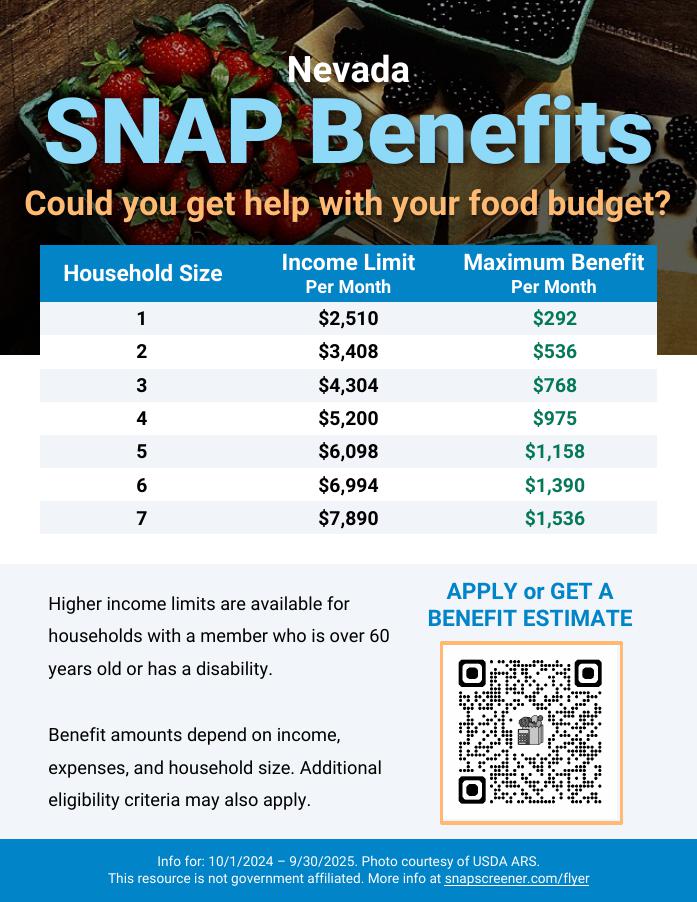
The program is designed to assist those whose gross and net income falls below federal poverty guidelines. When calculating your household income, the state considers earned income (wages) and unearned income (such as Social Security, unemployment benefits, or child support). Certain expenses, such as housing costs, medical bills for elderly or disabled members, and child care expenses, may be deducted from your total income to help you qualify or to increase your benefit amount.
The Application Process: Step-by-Step
Applying for benefits has been streamlined significantly through the digital infrastructure managed by the Division of Welfare and Supportive Services. Efficiency is the goal, and the state offers several ways to submit your request.
Applying Online via ACCESS Nevada
The most efficient way to apply for food stamps in Nevada is through the ACCESS Nevada portal. This online gateway allows you to fill out a single application that screens you for multiple programs, including SNAP, Temporary Assistance for Needy Families (TANF), and Medicaid.
- Create an Account: Visit the portal and establish a secure login. This keeps your application status accessible and allows you to upload documents electronically.
- Complete the Application: Be prepared to provide detailed information about every member of your household. Accuracy is critical; discrepancies can lead to delays in processing or potential denials.
- Submit Supporting Documentation: Once the form is submitted, the system will prompt you to provide proof of income, residency, and utility costs. Utilizing the electronic document upload feature significantly speeds up the verification process compared to mailing in hard copies.
Alternative Application Methods
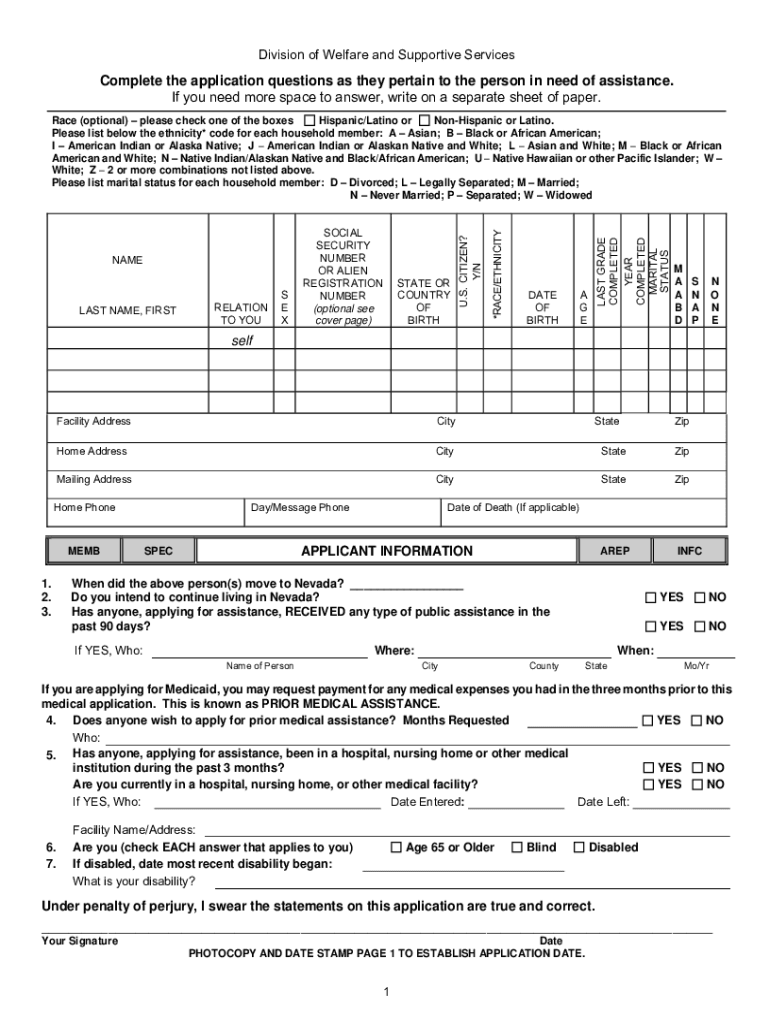
If you are unable to access the internet or prefer face-to-face assistance, you have other options. You can download a paper application from the Division of Welfare and Supportive Services website and mail it to your local office. Alternatively, you can visit a physical office in cities like Henderson or Carson City. Staff members are available to assist with the intake process, ensuring that seniors or those with physical limitations receive the guidance they need to navigate the forms.
What Happens After You Apply?
Once your application is submitted, a caseworker is assigned to review your information. This phase involves a formal assessment of your household’s unique situation.
The Interview Requirement
In many cases, an interview is required to finalize the eligibility determination. This interview can typically be conducted over the phone, sparing you the need to travel to an office. During the interview, the caseworker will verify the information you provided in your application and ask clarifying questions. It is vital to answer these questions honestly and to have all relevant documents—such as pay stubs, rent receipts, and utility bills—at hand during the call.
Understanding the Benefit Disbursement
If your application is approved, you will receive a Nevada Supplemental Nutrition Assistance Program EBT card. This card functions exactly like a debit card and is accepted at most grocery stores and approved farmers’ markets across the state. Your benefits are deposited into your account on a monthly basis, with the exact date determined by the last digit of your case number.
Maintaining Benefits and Reporting Changes
Receiving assistance is not a “set it and forget it” process. To maintain your eligibility, you must adhere to program rules and proactively manage your case.
Recertification and Interim Reports
SNAP benefits are typically awarded for a certification period. Before this period expires, you will receive notice that it is time to recertify. This is essentially a shortened version of the initial application process to ensure your household’s current financial status still meets the program requirements. Failure to recertify by the specified deadline will result in an automatic lapse in benefits.
The Importance of Reporting Changes
You are legally obligated to report certain changes to your household circumstances, such as:
- A change in household income that exceeds a specific threshold.
- A change in the number of people living in your household.
- Moving to a new address.
- Changes in employment status, such as a new job or a layoff.
Reporting these changes promptly ensures that you do not face an overpayment situation. If you receive more benefits than you are entitled to due to an unreported change, you may be required to pay that money back.
Maximizing Your Nutritional Security
Securing food stamps is an essential first step, but it is also worth exploring complementary programs in Nevada. Many residents who qualify for SNAP may also be eligible for WIC (Women, Infants, and Children) if they are pregnant or raising young children.
Furthermore, engaging with local community food banks and pantries found in districts from Lake Tahoe to Elko can provide supplementary healthy produce and pantry staples. When you combine SNAP benefits with local charitable resources, you create a more robust safety net that allows you to focus on finding long-term employment or improving your financial health. By leveraging these tools effectively, you position yourself to move from a state of seeking assistance to a state of sustained self-sufficiency. Always keep your ACCESS Nevada login information secure, and do not hesitate to contact the Division of Welfare and Supportive Services if you have questions regarding your specific case or local policies.
LifeOutOfTheBox is a participant in the Amazon Services LLC Associates Program, an affiliate advertising program designed to provide a means for sites to earn advertising fees by advertising and linking to Amazon.com. Amazon, the Amazon logo, AmazonSupply, and the AmazonSupply logo are trademarks of Amazon.com, Inc. or its affiliates. As an Amazon Associate we earn affiliate commissions from qualifying purchases.