
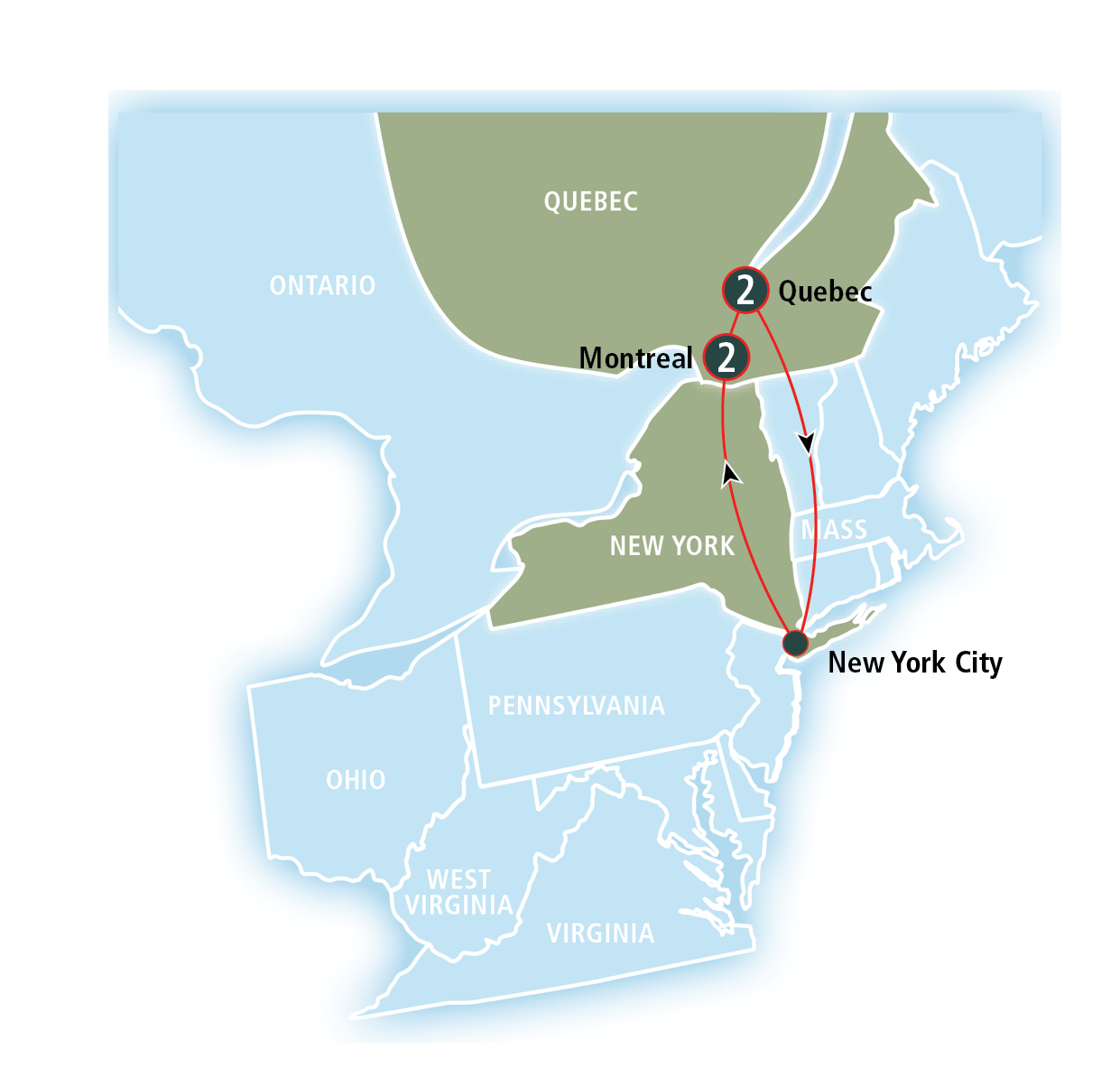
Traveling between Montreal and New York City is one of the most popular trans-border journeys in North America. Whether you are a business traveler looking to bridge the gap between two major Canadian and American financial hubs, or a tourist eager to swap the historic charm of Old Montreal for the neon lights of Times Square, understanding the distance and logistics is essential. In a straight line, these two iconic cities are approximately 330 miles (530 kilometers) apart, but your actual travel distance will vary significantly depending on your chosen mode of transportation.

Road Tripping: Driving from the Big Apple to Quebec
Driving is perhaps the most flexible way to traverse the distance between these two urban centers. If you choose to take your own vehicle or a rental, you are looking at a journey of roughly 370 to 400 miles, depending on your specific starting point in New York City and your destination within Montreal. Under ideal traffic conditions, the drive typically takes between six and seven hours.
The Scenic Route via Interstate 87
The most direct and popular route involves taking Interstate 87 North. This highway carries travelers through the stunning landscape of Upstate New York. As you exit the dense urban sprawl of the city, you will find yourself driving through the scenic Hudson Valley and skirting the edge of the majestic Adirondack Mountains. This route eventually leads you toward the border crossing at Champlain, New York, connecting directly into Quebec Autoroute 15 as you approach the island of Montreal.
Essential Border Crossing Tips
When driving across the international boundary, preparation is paramount. You must have a valid passport or an enhanced driver’s license. Be mindful that border wait times at Lacolle can fluctuate significantly during holidays and weekends. It is highly recommended to check the border wait time apps provided by the Canada Border Services Agency before you depart. Furthermore, ensure you are aware of current customs regulations, particularly regarding food items, alcohol, and tobacco, to ensure a seamless transition between these two countries.
Taking to the Skies: Air Travel Logistics
For those who prefer speed and efficiency, flying is the preferred option. The flight distance is relatively short, often referred to as a “commuter hop.” Despite the short distance, the flight offers a fascinating perspective of the Appalachian Mountains and the St. Lawrence River.
Flight Duration and Airline Options
A non-stop flight from John F. Kennedy International Airport or LaGuardia Airport to Montréal–Pierre Elliott Trudeau International Airport usually clocks in at around 75 to 90 minutes in the air. When you factor in the time spent at security and boarding, the total “city center to city center” time is often around four hours. Major carriers such as Air Canada, American Airlines, and Delta Air Lines operate frequent daily shuttles between these two hubs, making it highly accessible for both business and leisure travelers.
Navigating Airport Connectivity
Once you land in Montreal, getting to the downtown core is quite straightforward. The 747 Express Bus runs 24/7, connecting the airport to major metro stations and hotels in the city center. Conversely, when departing from New York City, utilizing the AirTrain system is often the most reliable way to avoid the notorious traffic associated with the city’s major airports.
Rail and Bus: A Leisurely Journey Through the Corridor
If you are not in a rush and prefer to avoid the stresses of driving or the confinement of a small airplane cabin, the train and bus networks offer viable alternatives. While they take longer than flying, they provide a chance to see more of the countryside.
The Amtrak Experience
While there is no high-speed rail connecting the two cities, the Amtrak Adirondack line provides one of the most scenic train journeys in North America. Departing from Penn Station in New York City, this train travels north along the eastern edge of New York State. The journey is long—typically taking around 10 to 12 hours—but it is widely considered an experience in itself, particularly during the autumn months when the foliage is at its peak.
Bus Travel: Budget-Friendly Considerations
For the budget-conscious traveler, intercity bus lines such as Greyhound or FlixBus offer consistent service. The travel time is comparable to, or sometimes slightly faster than, the train, as buses can often navigate traffic more efficiently and have fewer stops. It is a practical way to travel, especially for students or those looking to save money on accommodation by opting for overnight routes. Always check the departure terminals, as these can vary based on the carrier.

Planning Your Transit Strategy
Choosing between driving, flying, or taking the train really boils down to your personal priorities: budget, time, and the desire for comfort.
- For Speed: Flying remains the undisputed champion. If your time is valuable, the 90-minute flight is well worth the premium.
- For Flexibility: Driving offers the most freedom. Having a vehicle in Montreal is excellent if you plan to explore the surrounding Laurentian Mountains or the nearby Eastern Townships.
- For Sightseeing: The Amtrak train is the best way to soak in the geography of the Northeast. It transforms the distance into an attraction.
- For Budget: The bus network is typically the cheapest way to connect these two major hubs, especially if tickets are booked well in advance.
Regardless of how you choose to make the trek, the transition from the bustling, vertical energy of Manhattan to the European-inspired atmosphere of Montreal is a memorable journey. As you cross the border, you will notice not just a change in currency and language—from English to French—but a shift in pace, culinary culture, and architectural style. Whether you are traveling for the Montreal Jazz Festival or the winter festivities, the distance between these two cities is easily managed with a bit of foresight and planning. Always keep your travel documents ready and account for potential border delays to ensure your trip remains as stress-free as possible.
LifeOutOfTheBox is a participant in the Amazon Services LLC Associates Program, an affiliate advertising program designed to provide a means for sites to earn advertising fees by advertising and linking to Amazon.com. Amazon, the Amazon logo, AmazonSupply, and the AmazonSupply logo are trademarks of Amazon.com, Inc. or its affiliates. As an Amazon Associate we earn affiliate commissions from qualifying purchases.