
When planning an itinerary for a trip to the American West, travelers often find themselves mapping out complex logistics across shifting time zones. For those venturing into Nevada, a common question arises: does this desert state follow Mountain Time? The answer is a definitive no.
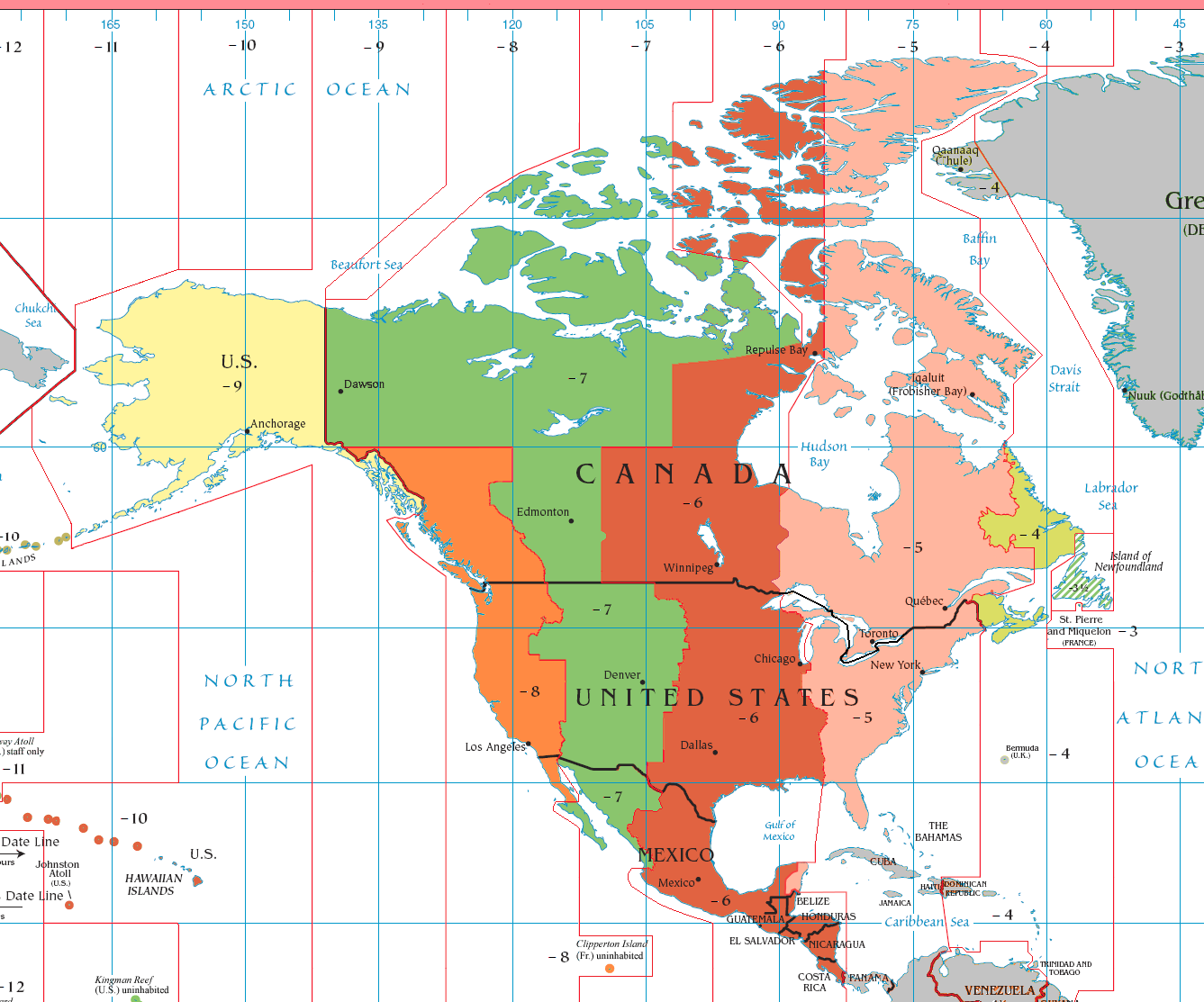
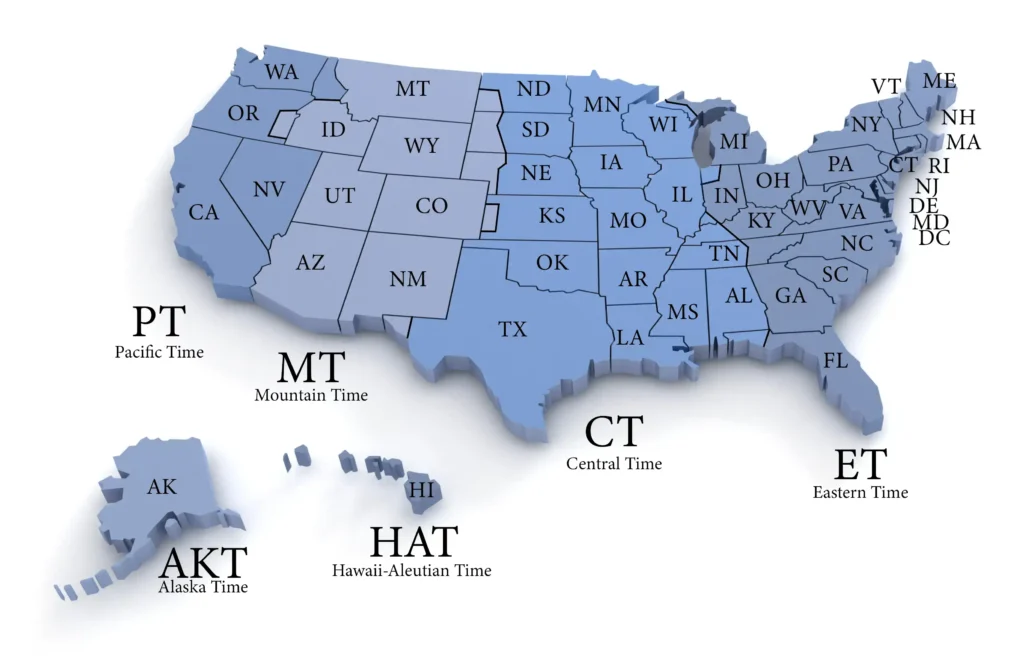
Nevada operates almost entirely on Pacific Time, which is the same time zone used by its neighbor to the west, California. Understanding this distinction is vital for anyone coordinating flights into Las Vegas, scheduling tours of Red Rock Canyon, or attempting to reach a reservation at a remote destination in the Great Basin National Park.
The Geographical and Temporal Landscape
To understand why Nevada observes Pacific Time, one must look at both the history of continental timekeeping and the state’s deep-rooted economic ties to the Pacific Coast. While states further east—such as Utah and Arizona—strictly adhere to Mountain Time, Nevada aligns itself with the bustling economies and logistical hubs of the West Coast.
Why Pacific Time Prevails
For most visitors, the confusion regarding time zones stems from the fact that Nevada is geographically situated in the high desert, which shares many landscape characteristics with Mountain Time regions. However, the influence of Los Angeles and the broader California tourism market has historically dictated the rhythm of Nevada life. Whether you are arriving at Harry Reid International Airport or driving across the border from Arizona, you must adjust your watch or mobile device to Pacific Standard Time (PST) or Pacific Daylight Time (PDT).
The Exception: West Wendover
While the vast majority of Nevada remains on Pacific Time, there is a notable exception that continues to trip up even the most seasoned road-trippers. The city of West Wendover, located on the border of Utah, unofficially observes Mountain Time. Because West Wendover shares strong economic and social ties with the neighboring city of Wendover, Utah, it aligns its local businesses and community schedules with Mountain Time. If you are traversing the Great Basin, it is imperative to check your specific location’s time zone to avoid missing tour departures or hotel check-in windows.
Navigating Time Zones on a Desert Road Trip
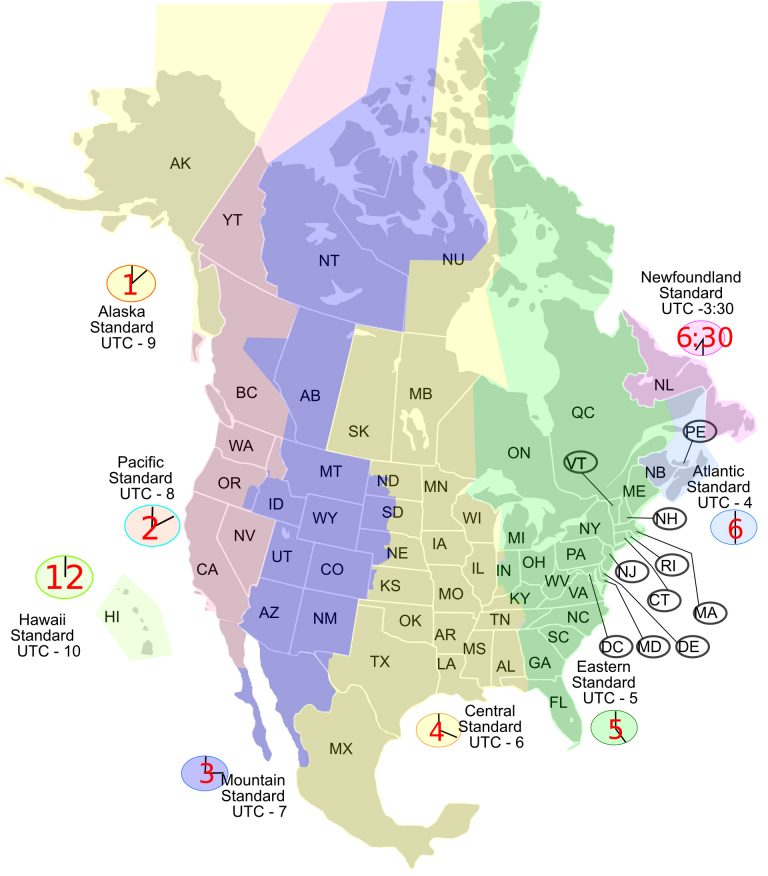
Planning a cross-country adventure through the American West often involves crossing the invisible boundary between time zones. Because Nevada uses Pacific Time, travelers heading east toward the majestic peaks of Colorado or the canyons of Utah will experience a “time jump” where they lose an hour upon crossing the state line.
Logistics for the Modern Traveler
When booking transit or guided excursions, always confirm the local time displayed on your tickets. For instance, if you are planning to visit the Hoover Dam, which sits directly on the border of Nevada and Arizona, you will encounter the Colorado River acting as the ultimate time-zone marker.
- Nevada Side: Pacific Time.
- Arizona Side: Mountain Standard Time (Note: Arizona does not observe Daylight Saving Time).
This creates a peculiar situation during the summer months. Because Nevada observes Daylight Saving Time and Arizona does not, the time difference between the two states effectively vanishes during the summer, only to reappear during the winter. Keeping a mental note of this seasonal shift is essential if your trip involves crossing the Mike O’Callaghan–Pat Tillman Memorial Bridge.
Tips for Maintaining Schedule Integrity
- Digital Synchronization: Rely on a smartphone with “Set Time Automatically” enabled. This will detect local cell towers and adjust your clock seamlessly, even in remote areas of Elko or Reno.
- Manual Verification: If you are visiting remote landmarks like the Valley of Fire State Park, do not assume your hotel’s clock is the final authority. Check the local time listed on official state park websites.
- Cross-State Travel: If your itinerary includes a drive from Las Vegas to Zion National Park, prepare to lose one hour as you transition from the Mojave Desert into the mountains of Utah.
The Cultural Impact of the Time Zone
The fact that Nevada is on Pacific Time plays a significant role in its cultural identity. In Las Vegas, the city famously never sleeps, yet its nightlife and event schedules are calibrated to the flow of visitors from California. Prime-time television broadcasts, sports schedules, and corporate meetings are all synced with the West Coast, ensuring that the rhythm of life in Nevada remains tightly coupled with the United States Pacific corridor.
From the Casinos to the Sierra Nevada
Whether you are enjoying a luxury experience at a resort in Lake Tahoe or exploring the historic mining towns near Virginia City, the clock on the wall will always reflect Pacific Time. This consistency allows for a smooth transition for the millions of tourists who drive into the state via Interstate 15 or Interstate 80. By staying on the same time zone as their home base, visitors can more easily manage jet lag, meal times, and early morning excursions into the Sierra Nevada mountain range.
Maximizing Your Stay
Ultimately, the temporal confusion surrounding the “Nevada Mountain Time” myth is a testament to the state’s rugged, mountainous topography. While the landscape feels like it should belong to the Mountain Time zone, the reality of Nevada is one of Pacific-oriented connectivity.
Whether you are here for the glitz of the Las Vegas Strip, the natural wonders of Death Valley National Park, or the quiet solitude of the Ruby Mountains, rest assured that your watch is set correctly as long as it matches the time in San Francisco or Seattle. By internalizing these geography-based rules, you can spend less time worrying about your clock and more time soaking in the unparalleled beauty of the Silver State.
LifeOutOfTheBox is a participant in the Amazon Services LLC Associates Program, an affiliate advertising program designed to provide a means for sites to earn advertising fees by advertising and linking to Amazon.com. Amazon, the Amazon logo, AmazonSupply, and the AmazonSupply logo are trademarks of Amazon.com, Inc. or its affiliates. As an Amazon Associate we earn affiliate commissions from qualifying purchases.