
The hospitality industry underwent a seismic shift over the last decade, and much of that transformation can be attributed to the rise of Oyo Hotels. Originally founded as a budget hotel aggregator, the company has evolved into a global powerhouse, redefining the way economy and mid-scale accommodations operate across the world. From the bustling streets of India to the high-demand markets of the United States and Europe, this brand has become synonymous with standardized, affordable, and technology-driven lodging.
The Evolution of Oyo Hotels and Homes
To understand the current scale of the organization, one must look back at its humble beginnings. The journey of Oyo Hotels is often cited as one of the most rapid expansions in the history of the modern hospitality sector.
Origins in India
The brand was founded in 2013 by Ritesh Agarwal, who was just 19 years old at the time. Before the inception of this enterprise, Agarwal launched Oravel Stays, a platform modeled after Airbnb. However, he quickly realized that the primary challenge in the Indian hospitality market was not the lack of availability, but rather the lack of predictability and standardization. Budget travelers in cities like Gurugram, New Delhi, and Mumbai often faced inconsistent service, poor hygiene, and unreliable amenities.
Identifying this gap, Ritesh Agarwal pivoted the business model. Instead of just listing properties, the company began partnering with small hotel owners to renovate their rooms, standardize their service offerings, and brand them under the Oyo Rooms umbrella. This approach ensured that a guest booking a room in Bengaluru would receive the same basic amenities—such as free Wi-Fi, clean linen, and air conditioning—as a guest in Chennai.
From Aggregator to Franchise Giant
In its early years, the company operated primarily as an aggregator. However, it transitioned into a full-scale franchise model where it takes over the management or branding of the entire property. Backed by significant investments from the SoftBank Group, the company scaled its operations at an unprecedented pace. By 2016, it had already expanded its footprint across hundreds of cities in South Asia, and shortly after, it began its aggressive push into international territories.
The transition from a simple booking platform to a comprehensive hospitality chain involved significant investments in technology and infrastructure. The company moved away from just offering “rooms” to managing “homes,” “suites,” and “resorts,” leading to the rebranding of the parent entity to Oyo Hotels and Homes.
The Core Business Model and Technology
What sets Oyo Hotels apart from traditional chains like Marriott International or Hilton Worldwide is its “asset-light” model and its heavy reliance on proprietary technology. The company does not necessarily own the buildings it operates; instead, it empowers independent hotel owners with the tools needed to compete with major international brands.
Standardizing Budget Accommodation
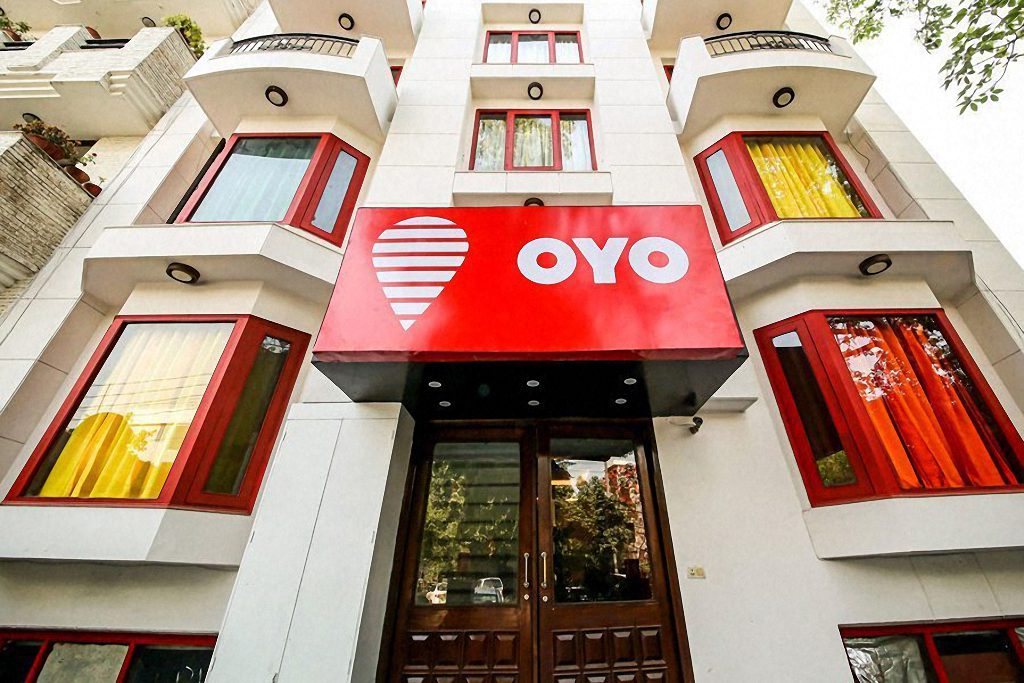
The hallmark of the brand is standardization. When an independent hotel joins the network, it undergoes a transformation process. This includes the installation of branded signage, interior upgrades, and the implementation of specific service protocols. The goal is to provide a “no-frills” yet reliable experience. For a traveler visiting Hyderabad or Kolkata, the brand serves as a seal of quality in a market that was previously fragmented and unpredictable.
The standardization process covers several key areas:
- Infrastructure: Ensuring functional plumbing, electrical systems, and aesthetic consistency.
- Amenities: Guaranteeing high-speed internet, television, and clean bathrooms.
- Service: Training staff to adhere to professional hospitality standards.
The Role of Proprietary Software
Technology is the backbone of the company’s operations. It utilizes a suite of applications designed to optimize occupancy and revenue for hotel owners. The Oyo OS is a property management system that allows owners to manage check-ins, check-outs, and housekeeping via a smartphone.
Furthermore, the brand uses sophisticated algorithms for dynamic pricing. Much like airlines, the room rates in cities like London or Jakarta fluctuate based on real-time demand, local events, and seasonal trends. This technological edge allows small-scale hoteliers to achieve occupancy rates that were previously only possible for large luxury resorts. For the guest, the Oyo App provides a seamless booking experience, often allowing a room to be secured in just three clicks.
Types of Properties and Brands Under Oyo
As the company grew, it realized that a “one size fits all” approach would not suffice for the diverse needs of global travelers. Consequently, it launched several sub-brands to cater to different demographics, from corporate professionals to vacationing families.
Oyo Rooms and Oyo Townhouse

The flagship Oyo Rooms remains the most recognizable category, focusing on essential budget stays. However, Oyo Townhouse was introduced as a “neighborhood hotel” concept. These properties are designed for the millennial traveler, featuring contemporary interior design, communal workspaces, and a focus on efficiency. Oyo Townhouse properties are frequently found in trendy districts of New Delhi and London, blending the comforts of a hotel with the social vibe of a boutique stay.
Capital O and Collection O
For those seeking a bit more space and professional service, Capital O offers premium rooms in larger hotels, usually equipped with additional facilities like conference rooms or in-house dining. These are particularly popular among business travelers in India. Similarly, Collection O caters to the corporate segment, providing a curated experience with a focus on professional aesthetics and high-end amenities.
SilverKey and Palette Resorts
Recognizing the demand for diverse accommodation types, the company launched SilverKey, which focuses on executive stays and serviced apartments. These are ideal for long-term stays in business hubs. On the other end of the spectrum, Palette Resorts offers high-end leisure stays in popular vacation destinations. These resorts provide a more relaxed atmosphere, often featuring swimming pools, spas, and extensive grounds, moving the brand into the luxury and leisure category.
Global Expansion and Market Presence
The ambition of Oyo Hotels has always been global. By aggressively entering international markets, the company sought to prove that its model of standardized budget lodging could work across different cultures and regulatory environments.
Dominance in South Asia and Southeast Asia
After establishing a firm grip on the market in India, the company expanded rapidly into Southeast Asia. It found immense success in Malaysia, Indonesia, and the Philippines. In cities like Kuala Lumpur and Jakarta, the brand’s ability to offer low-cost, high-quality rooms revolutionized the local tourism and business travel sectors.
Growth in the United Kingdom and United States
The company’s entry into the United Kingdom marked a significant milestone, as it was its first foray into a major Western market. Since launching in London, the brand has expanded to dozens of British cities, offering a modern alternative to traditional bed-and-breakfasts.
In the United States, the expansion was equally bold. By partnering with existing motels and independent hotels in states like Texas, Florida, and California, the company quickly built a presence in the American market. Major cities like Las Vegas, Miami, and San Francisco now feature properties managed under the brand, often providing more affordable rates than established competitors in the same neighborhoods.
The Impact on China’s Hospitality Sector
The brand’s expansion into China was perhaps its most ambitious undertaking. For a time, Oyo Hotels was one of the largest hotel chains in the country, with a presence in hundreds of cities including Beijing, Shanghai, and Chengdu. While the Chinese market presented unique operational challenges, the company’s ability to scale at such a volume demonstrated the universal appeal of its value proposition.
Guest Experience and Modern Amenities
At the heart of the company’s success is the guest experience. By focusing on the “essentials,” the brand has managed to capture a massive share of the travel market. While a stay at an Oyo Rooms property might not offer the same opulence as a five-star resort in Dubai, it provides a consistent level of comfort that travelers have come to rely on.
Standardized Amenities and Service Quality
The “Oyo Promise” typically includes several core features regardless of the city. Guests can expect:
- Clean Linens: Sanitized beds and towels are a non-negotiable standard.
- Free Wi-Fi: Recognizing that modern travelers need to stay connected, high-speed internet is a staple.
- Air Conditioning: Essential for properties in tropical climates like Thailand or Vietnam.
- Hygiene Standards: Post-pandemic, the company introduced the “Sanitised Stays” initiative, implementing rigorous cleaning protocols across all properties in Japan, Brazil, and Mexico.

Digital Check-ins and Booking Ease
The guest journey is heavily digitized. Through the mobile app, travelers can search for hotels near their current location, view verified photos of the rooms, and read reviews from previous guests. In many regions, the company has introduced digital check-in processes that minimize contact and speed up the arrival experience.
Furthermore, the brand’s integration with global travel agencies and booking platforms ensures that its properties are visible to international travelers planning trips to Europe or the Middle East. By offering localized payment options and multi-language support, the company has made it easier for a traveler from Tokyo to book a stay in Paris or New York.
In conclusion, Oyo Hotels has redefined the hospitality landscape by combining the scale of a global corporation with the flexibility of a tech startup. By empowering independent hotel owners and focusing on the core needs of the modern traveler, the company has created a vast network of accommodations that span continents. Whether it is a quick overnight stay in Osaka or a business trip to Sao Paulo, the brand continues to provide a reliable, affordable, and accessible option for millions of people worldwide.
LifeOutOfTheBox is a participant in the Amazon Services LLC Associates Program, an affiliate advertising program designed to provide a means for sites to earn advertising fees by advertising and linking to Amazon.com. Amazon, the Amazon logo, AmazonSupply, and the AmazonSupply logo are trademarks of Amazon.com, Inc. or its affiliates. As an Amazon Associate we earn affiliate commissions from qualifying purchases.