
When travelers arrive in Nevada, they are often struck by the stark contrasts that define the region. Beyond the neon glow of Las Vegas and the high-desert serenity of Reno, there lies a state that serves as a fascinating bellwether for the American political identity. For those interested in the local culture, understanding Nevada’s political landscape is not just about ballots and polling; it is about recognizing how the history of the United States has been shaped by the Silver State’s unique demographic and cultural evolution.
The Geography of Political Influence
To understand Nevada, one must first look at the map. The state is a land of massive geographic and economic disparity. The vast majority of the population is concentrated in two major metropolitan areas, while the rural expanses—stretching toward the Great Basin—maintain a traditional, rugged independence that feels worlds away from the urban centers.
The Urban Powerhouses
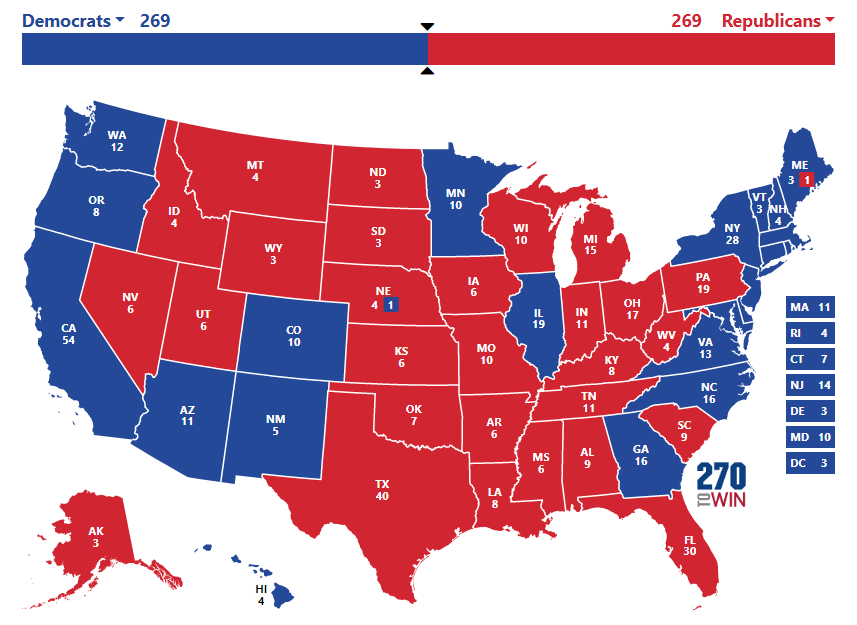
In the southern part of the state, Clark County has become the engine of Democratic support. As the city of Las Vegas grew into a global tourism and gaming capital, it attracted a diverse workforce from across the country and the globe. This influx of residents—representing a wide array of backgrounds, ethnicities, and professional sectors—has consistently leaned toward the Democratic party. For the visitor strolling down the Las Vegas Strip, the diversity of languages and cultures encountered is a direct reflection of the demographics that now define the state’s political leanings.
The Rural Heartland
Conversely, if you venture north or east toward the Ruby Mountains or the historic mining towns of Elko, the political sentiment shifts dramatically. These areas honor a heritage rooted in ranching, mining, and self-reliance. Historically, these regions have been staunchly Republican, valuing limited government intervention and local control. This geographic divide is a classic study in American political geography, where the density of the city creates a gravitational pull toward progressive policies, while the sparsity of the plains fosters a more conservative outlook.
Historical Shifts: From Red to Blue and Everything In Between
Nevada has not always been a reliable bastion for any single party. In the mid-20th century, the state was often characterized by a “libertarian streak,” where voters favored candidates who emphasized economic freedom and minimal state interference in private lives.
The Influence of Gaming and Tourism
The rise of the gaming industry in Carson City and across the state played a vital role in shaping political priorities. Leaders understood that the stability of Nevada depended on a business-friendly environment that could support major resorts, casinos, and the broader tourism economy. During this era, voters often split their tickets, choosing candidates based on economic pragmatism rather than strict party ideology.
Transitioning Demographics
In the early 2000s, a significant shift began to occur. As the population in the Mojave Desert surged, so did the influence of organized labor and the service industry. Unions in Las Vegas became a potent political force, mobilizing thousands of workers to participate in elections. This movement helped turn the state from a “toss-up” or “swing state” into a place that has favored Democratic presidential candidates in every election cycle since 2008.

The Role of Local Culture in Shaping Policy
Tourism is the lifeblood of Nevada, and the culture surrounding this industry significantly influences how locals view their government. In cities like Henderson or North Las Vegas, there is a strong focus on issues that affect the working class, such as healthcare, education, and labor rights.
Education and Public Services
Because Nevada’s economy relies so heavily on service-sector jobs, there is a persistent conversation about the quality of the public school system and access to affordable healthcare. These issues tend to align with the Democratic platform, which emphasizes public funding and social safety nets. Travelers often don’t see the local schools or public hospitals, but they are the bedrock of the communities that make the visitor experience possible.
The “Silver State” Identity
There is a profound sense of pride in being a “Nevadan.” Despite the political polarization often seen on national news, there is a local culture of resilience. Whether it is the restoration of historic sites in Virginia City or the conservation efforts surrounding Lake Tahoe, citizens of all political stripes often find common ground in protecting the beauty and resources of their state. This shared identity often softens the edges of partisan divide, reminding residents that, regardless of how they vote, they are united by the unique landscapes of the American West.
Why Nevada Remains a Bellwether
Is Nevada a Democratic state? The answer is nuanced. While the recent electoral history suggests a strong tilt toward the Democratic Party, the state remains politically competitive. It does not carry the same deep-blue identity as some coastal states, nor the deep-red identity of the interior Rocky Mountains.
The Power of the Independent Voter
A critical factor in Nevada’s politics is the large number of non-partisan or independent voters. These voters are not bound by party labels and often decide the outcome of close races. They tend to focus on the performance of the economy, the cost of living, and the effectiveness of local governance. This forces candidates to appeal to a broad middle ground rather than just their political base, keeping the state’s politics pragmatic and often unpredictable.
A Future in Transition
As the state continues to grow, it is diversifying its economic base beyond tourism. Technology companies are beginning to look toward northern regions near Washoe County, bringing a new demographic of young, skilled professionals into the fold. How this shift will affect the long-term political balance remains to be seen. Will these new residents adopt the traditional leanings of the urban centers, or will they introduce a new wave of moderate, tech-centric political thought?

Conclusion
Nevada is a state defined by its motion. From the rapid expansion of its cities to the slow, steady endurance of its rural outposts, the political landscape is always evolving. Visitors who explore beyond the casinos and into the neighborhoods of Summerlin or the quiet streets of Boulder City will find a community that is deeply engaged with its future.
Whether Nevada is “usually” Democratic is a matter of recent data, but the state’s true character is found in its independence. It is a place that refuses to be neatly categorized, mirroring the rugged, expansive, and ever-changing nature of the landscape itself. For the traveler, this makes Nevada not just a destination for entertainment, but a compelling window into the complex, vibrant, and democratic experiment that is the United States. As you move through the state, appreciate the diversity of voices and the quiet, persistent debate that shapes the life of every resident you encounter.
LifeOutOfTheBox is a participant in the Amazon Services LLC Associates Program, an affiliate advertising program designed to provide a means for sites to earn advertising fees by advertising and linking to Amazon.com. Amazon, the Amazon logo, AmazonSupply, and the AmazonSupply logo are trademarks of Amazon.com, Inc. or its affiliates. As an Amazon Associate we earn affiliate commissions from qualifying purchases.