
For visitors and residents alike, the rhythm of New York City is inextricably linked to the hum of its subterranean transit network. As one of the only systems in the world that operates around the clock, the New York City Subway is a testament to the city’s identity as the “city that never sleeps.” Understanding the nuances of this 24/7 service is essential for navigating the boroughs, whether you are returning from a late dinner in Manhattan or catching an early morning flight from John F. Kennedy International Airport.
The 24/7 Promise and Its Realities
The defining feature of the Metropolitan Transportation Authority transit system is its continuous operation. Unlike many international counterparts, such as the London Underground or the Paris Metro, which cease service during late-night hours for maintenance, the New York subway runs seven days a week, 365 days a year.
Understanding Off-Peak Scheduling
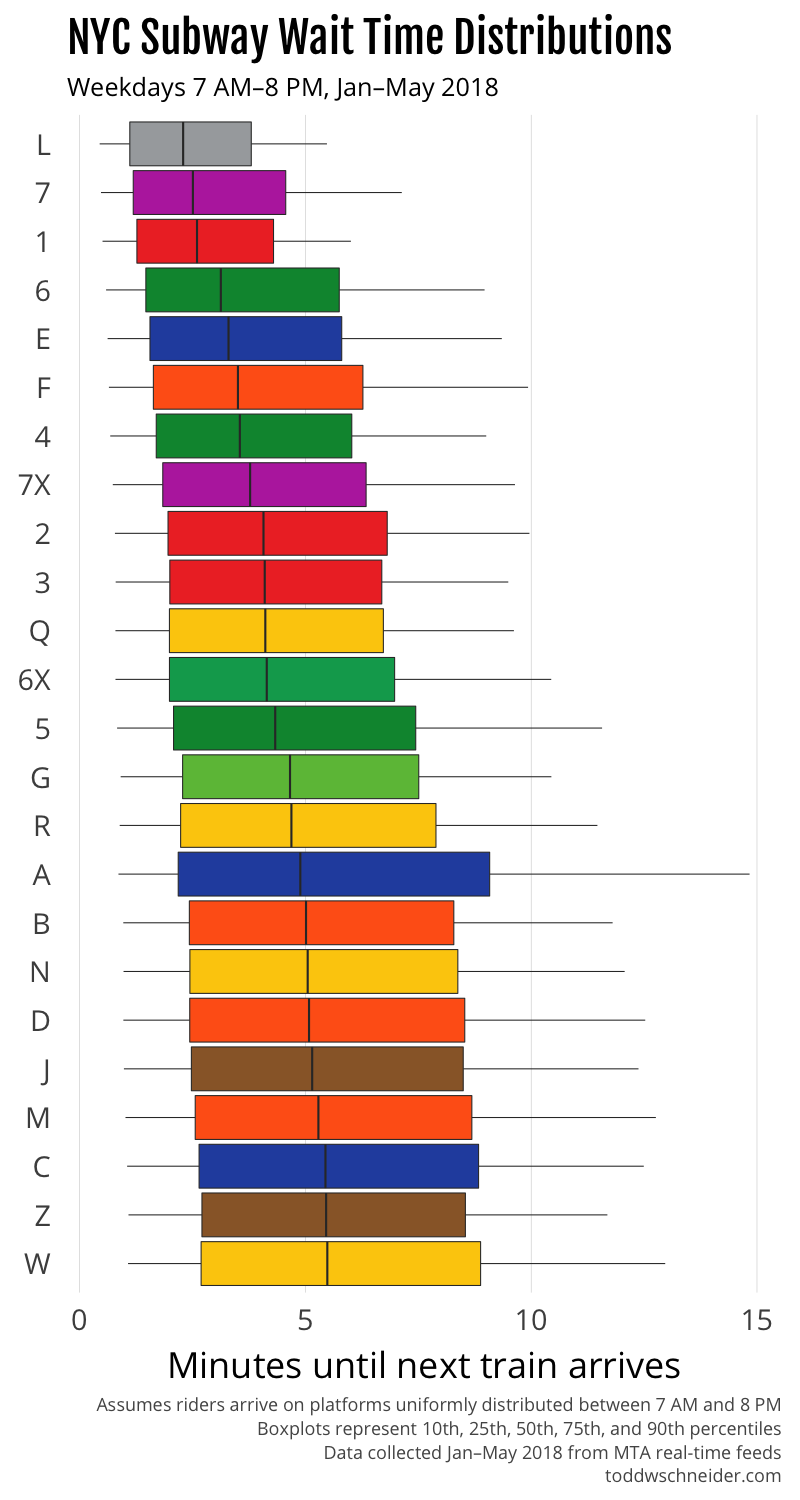
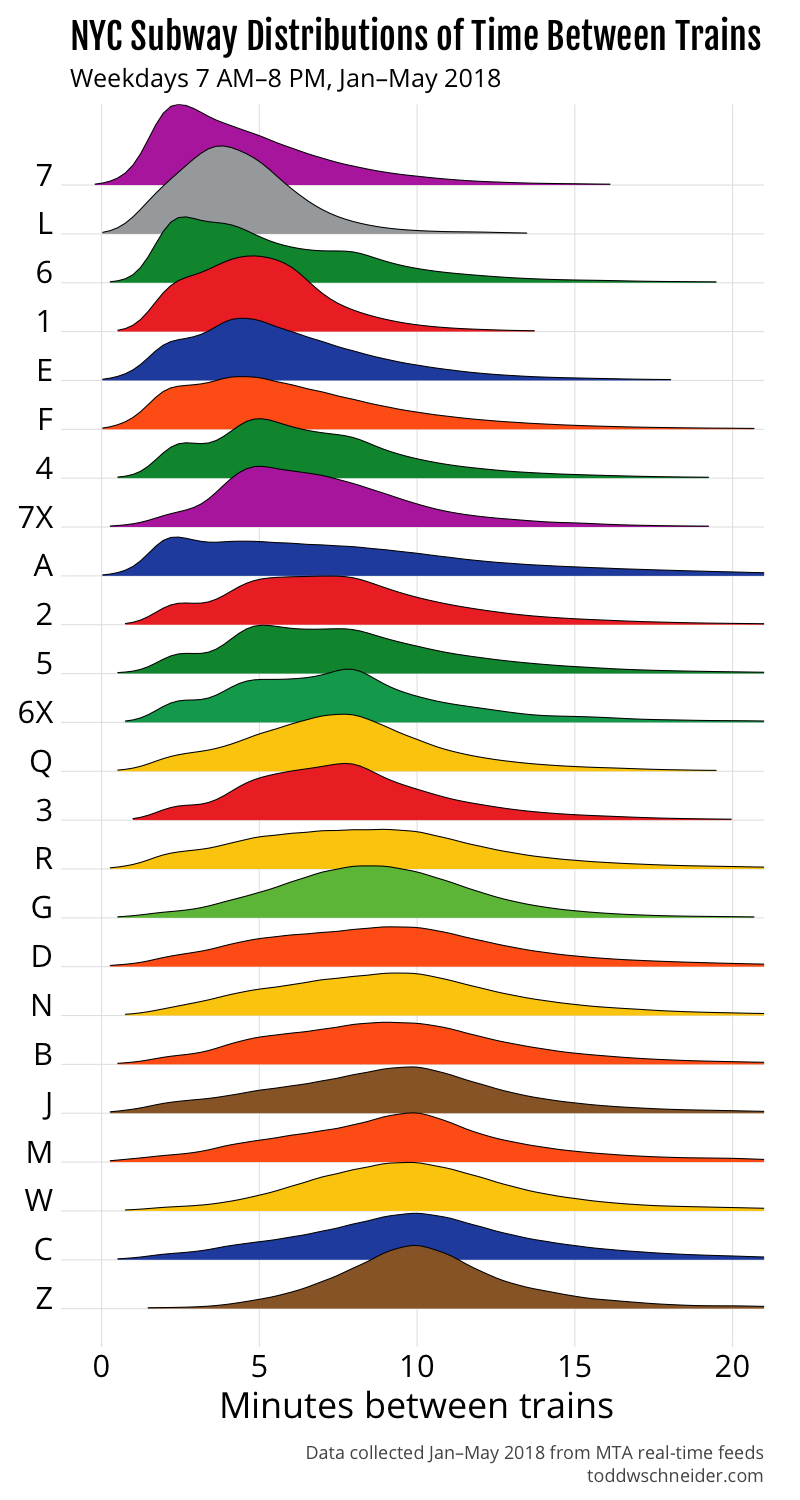
While trains run through the night, the frequency of service changes significantly after the “rush hour” peaks and especially during the overnight hours, generally defined as 12:00 AM to 5:00 AM. During these quiet hours, riders can expect longer wait times. Depending on the line and the specific station, the interval between trains can stretch from the standard 5–8 minutes during the day to 20 minutes or more in the dead of night.
Nighttime Service Patterns
It is important for travelers to note that some express lines transition to local service during late-night hours. If you are accustomed to the speed of an express train during the day, you may find your journey takes considerably longer at 2:00 AM. Additionally, some station entrances may be locked for security purposes during these hours, requiring passengers to walk to a different entrance—often identified by a green or red globe light—to access the platforms.
Navigating Maintenance and Service Changes
Even in a 24/7 system, the infrastructure requires constant attention. The MTA manages a massive, aging network that necessitates frequent repairs, upgrades, and modernization efforts. This often leads to “Service Changes,” which can feel unpredictable to the uninitiated.
Planning Your Late-Night Route
Before setting out for a night in Brooklyn or Queens, it is best practice to consult official digital tools. The MYmta app provides real-time tracking and alerts regarding service diversions. On weekends and weeknights, trains are frequently rerouted onto different tracks, or service may be suspended entirely on specific segments to accommodate track work.
The Role of Shuttle Buses
In instances where an entire line or segment is closed for maintenance, the MTA typically deploys free shuttle buses. These buses usually run along the route of the affected subway line, stopping near the stations that are closed. While they offer a reliable alternative, they are susceptible to surface-level traffic conditions in New York City, so it is wise to add at least 30 minutes to your travel estimate if you are relying on a shuttle bus.

Safety and Best Practices for Late-Night Riders
While the New York City Subway is generally safe, the experience of riding late at night is different from the bustle of midday commutes. Staying observant and informed is the best way to ensure a smooth journey.
Strategic Platform Positioning
When waiting for a train late at night, it is recommended to stand in the “Off-Hours Waiting Area.” These are marked locations on the platform, often near the center where the conductor’s car is positioned, and are usually under direct surveillance cameras. This ensures that you are in a well-lit, visible area until the train arrives.
Staying Aware of Your Surroundings
The subway is a communal space. While it is tempting to get lost in a book or music after a night out, maintaining awareness of your surroundings is a fundamental rule of city travel. Keep your belongings secure and be mindful of other passengers. If you ever feel uncomfortable in a specific subway car, moving to a different car—especially one where the conductor is located—is a simple and effective measure.
Leveraging Alternative Transit
For those who prefer not to navigate the subway in the middle of the night, New York offers a variety of alternatives. Rideshare services like Uber or Lyft are readily available throughout the five boroughs. Additionally, the iconic yellow New York City Taxi remains a staple for those looking for a direct route to their accommodation, such as the The Plaza Hotel or the Waldorf Astoria New York.
The Cultural Experience of the Night Train
Beyond the logistical mechanics, riding the subway late at night is a quintessentially New York experience. It is a time when the city’s diverse population converges in the metallic belly of the metropolis. You might find yourself sharing a car with late-shift workers, artists returning from rehearsals in The Bronx, or travelers headed to Staten Island.
A Window into the City
The silence of a late-night subway car is a stark contrast to the cacophony of Times Square or Grand Central Terminal during peak hours. It provides a rare moment of introspection for the traveler. As the train rumbles across the Manhattan Bridge, offering a fleeting, illuminated view of the Brooklyn Bridge and the city skyline, one gains a unique perspective on the sheer scale of the environment.
Final Tips for Success
To master the late-night subway, consider these parting pieces of advice:
- Check the sign: Always look at the digital screens on the platform and the destination signs on the front of the train to ensure you are boarding the correct route.
- Be patient: Delays are more frequent at night; embrace them as part of the authentic city experience.
- Keep your pass ready: Whether using OMNY or a MetroCard, have your payment method easily accessible at the turnstile.
By understanding how the New York City Subway functions during its quietest hours, you transform from a tourist struggling with a map into a savvy traveler capable of navigating New York City with confidence. The trains are running, the tunnels are humming, and the city is waiting for you at every stop. Whether you are coming from Central Park or headed toward the vibrant nightlife of Williamsburg, the subway remains your most reliable companion through the long, exhilarating hours of the night.
LifeOutOfTheBox is a participant in the Amazon Services LLC Associates Program, an affiliate advertising program designed to provide a means for sites to earn advertising fees by advertising and linking to Amazon.com. Amazon, the Amazon logo, AmazonSupply, and the AmazonSupply logo are trademarks of Amazon.com, Inc. or its affiliates. As an Amazon Associate we earn affiliate commissions from qualifying purchases.