
For many travelers, investors, and entrepreneurs eyeing a move to the vibrant desert landscapes of the American West, the question of fiscal policy is often just as significant as the allure of the neon lights. Nevada has long been known as a tax-friendly jurisdiction, drawing in millions of visitors and prospective residents alike. Understanding the nuances of state taxes is an essential part of planning any long-term stay, business venture, or relocation strategy within the Silver State.
The Reality of Personal Income Tax in Nevada
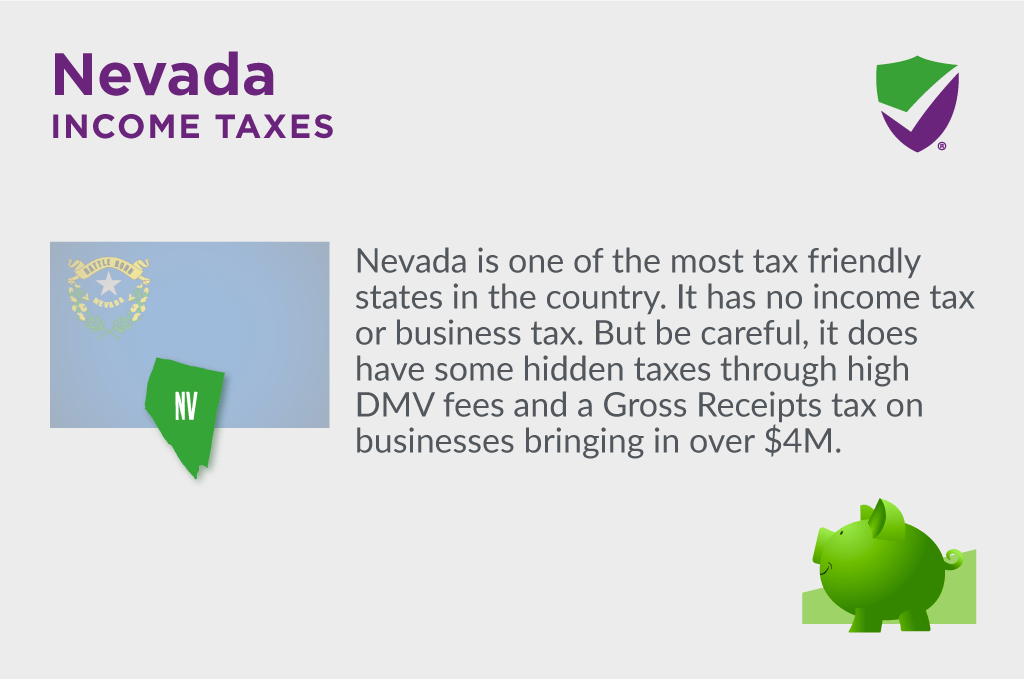
One of the most frequently asked questions regarding the state’s financial landscape is whether there is a personal state income tax. The answer is a resounding no. Nevada is one of the few states in the United States that does not impose a personal income tax on its residents. This policy is enshrined in the state constitution, which prohibits such a levy, making it a highly attractive destination for those looking to maximize their take-home pay.
Why This Matters for Lifestyle and Relocation
For those considering moving to major metropolitan areas like Las Vegas or Reno, the absence of state income tax serves as a significant financial incentive. When budgeting for living expenses, rent, or the purchase of property, the lack of a state-level deduction on earnings allows residents to allocate more capital toward their quality of life. Whether you are living in a high-end luxury high-rise on the Las Vegas Strip or a quiet residential community in Henderson, the impact of this policy is felt across every income bracket.
The Trade-off: Consumption-Based Revenue
While the state foregoes personal income tax, the government relies on other streams of revenue to fund public services, infrastructure, and education. This is primarily achieved through sales taxes and, to a significant extent, the state’s world-famous gaming and tourism industries. Visitors who flock to Caesars Palace or The Venetian Resort contribute to the state coffers through room taxes and gaming levies. Consequently, residents benefit from a system where tourism revenue subsidizes many of the amenities that make living in the state so enjoyable.
Understanding Sales and Property Taxes
While you won’t see a deduction for state income tax on your paycheck, it is important to understand the other tax obligations that exist for individuals and businesses operating within Nevada.
Navigating Sales Tax Obligations
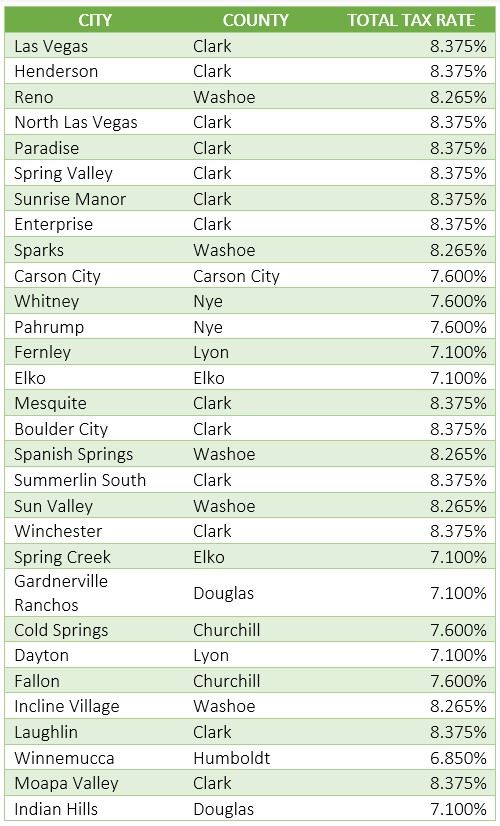
Nevada does impose a statewide sales tax, which varies by county. When you are shopping at premium retail centers like The Forum Shops at Caesars or picking up essentials near Lake Tahoe, you will encounter this tax at the point of purchase. Because the state does not collect income tax, the sales tax acts as a primary vehicle for generating the necessary funds to maintain public roads, police, and fire services. It is wise for residents and visitors to check the specific tax rates for the county they are in, as these can fluctuate based on local initiatives and additions.

Property Taxes: A Local Perspective
Property tax is another critical component of the Nevada financial model. Unlike income tax, property taxes are collected at the local level. These rates are determined by the assessed value of the property and the tax rate set by the specific county. While these taxes are generally considered moderate compared to other states in the West, they are essential for funding local schools and municipal infrastructure. Whether you are investing in a sprawling villa in Summerlin or a chic apartment in Downtown Las Vegas, you should incorporate these anticipated annual costs into your long-term budget.
Business Climate and Corporate Advantages
The tax-friendly nature of the state extends beyond individuals to the corporate sector. Nevada has cultivated a reputation as one of the most business-friendly states in the country, attracting startups, large corporations, and remote workers alike.
The Advantage for Entrepreneurs
For those looking to establish a business, the lack of a corporate income tax is a massive draw. While businesses are still subject to a Commerce Tax—a levy on gross revenue exceeding a certain threshold—the overall tax burden remains competitive. This environment encourages innovation and allows business owners to reinvest their profits back into their companies. From the bustling corridors of Convention Center Drive to the rapidly growing tech hubs, the regulatory environment is designed to foster growth.
Impact on Tourism and Hospitality
The business-friendly climate also bolsters the hospitality and tourism sector. By keeping the tax environment favorable for businesses, the state ensures that iconic destinations such as the Bellagio Hotel and Casino and the MGM Grand can continue to attract world-class talent and maintain the high standard of service expected by international visitors. This creates a symbiotic relationship: businesses thrive, employees benefit from a stable job market, and tourists enjoy a premium experience.
Strategic Financial Planning for Your Stay
Whether you are visiting for a weekend, moving for a career opportunity, or looking to retire, planning for the tax environment of Nevada is a smart move.
Budgeting for Your Trip or Move
When calculating the cost of your time in the Silver State, start by looking beyond the sticker price. If you are planning a luxury getaway to Wynn Las Vegas, remember that while you won’t be taxed on your income during your trip, you will encounter the standard sales tax on meals, retail, and services. If you are moving permanently, consult with a financial advisor to understand how the property tax landscape in Clark County or Washoe County aligns with your personal financial goals.
The Long-Term Benefit
The primary advantage of living in a state with no income tax is the ability to retain more of your financial output. Over the course of a year, this can amount to significant savings compared to states with high income-tax rates. When you combine this fiscal advantage with the natural beauty of Red Rock Canyon or the recreational opportunities at Mount Charleston, it is easy to see why so many people choose to call Nevada home.
The absence of a state income tax remains one of the defining features of Nevada. By understanding how this policy interacts with sales taxes, property taxes, and the broader business landscape, you can make informed decisions that align with your lifestyle, business objectives, and travel aspirations. Whether you are exploring the Las Vegas nightlife or enjoying the tranquility of the desert, you can do so with the peace of mind that comes from being in one of the most financially advantageous regions in the United States.
LifeOutOfTheBox is a participant in the Amazon Services LLC Associates Program, an affiliate advertising program designed to provide a means for sites to earn advertising fees by advertising and linking to Amazon.com. Amazon, the Amazon logo, AmazonSupply, and the AmazonSupply logo are trademarks of Amazon.com, Inc. or its affiliates. As an Amazon Associate we earn affiliate commissions from qualifying purchases.