
When planning a journey to the rhythmic, soulful heart of the American South, timing is everything. Whether you are orchestrating a culinary tour through the French Quarter or coordinating a late-night jazz excursion along Frenchmen Street, understanding the local clock is essential. New Orleans, Louisiana, operates on Central Time, a zone that plays a pivotal role in the rhythm of the city’s legendary nightlife and daily operations.
Understanding the Central Time Zone
To navigate your itinerary effectively, you must first understand the temporal framework of the region. New Orleans sits within the Central Time Zone (CT). This puts the city one hour behind the Eastern Time Zone—home to New York City—and one hour ahead of the Mountain Time Zone, which governs cities like Denver.

Daylight Saving Time Adjustments
Like much of the United States, this iconic city observes Daylight Saving Time (DST). During the warmer months, typically from the second Sunday in March through the first Sunday in November, the clock shifts forward to Central Daylight Time (CDT), which is UTC-5. During the winter months, the city reverts to Central Standard Time (CST), or UTC-6. When mapping out flights arriving from London or Tokyo, it is vital to verify whether the seasonal shift is in effect, as this can impact your connections and your planned dinner reservations at historic eateries like Antoine’s Restaurant.
Synchronizing Your Arrival
For international travelers, adjusting to local time is often the first hurdle of a successful trip. Because New Orleans is a city that thrives after dark, many visitors find that the Central Time zone works in their favor. The slightly later start to the evening festivities at venues like Tipitina’s or the Preservation Hall allows for a slower, more leisurely transition into the local schedule.
The Rhythm of the City: How Time Shapes Your Experience
Time in New Orleans is not merely a measurement on a watch; it is a cultural construct. The city moves to a tempo dictated by music, dining, and tradition. By aligning your personal schedule with the local pace, you ensure that you don’t miss the moments that define the “Big Easy.”
Morning Rituals and Brunch Culture
The day typically begins with a slow-paced appreciation of the city’s unique morning culture. Locals often congregate at iconic spots such as Café Du Monde to enjoy chicory coffee and beignets. If you are an early riser, you will find that the Garden District offers a tranquil, golden-hour atmosphere perfect for photographing historic architecture. However, keep in mind that many brunch establishments do not hit their stride until mid-morning, so timing your caffeine fix is crucial to your day’s success.
The Midday Lull and Afternoon Exploration
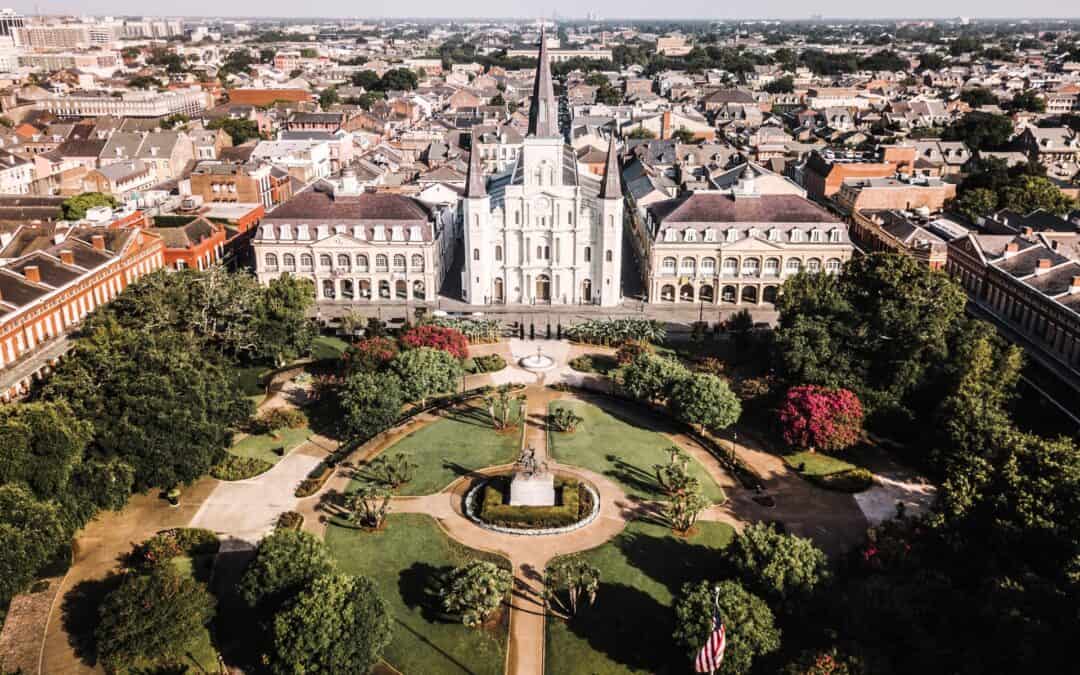
Between the hours of 2:00 PM and 5:00 PM, the city often adopts a more relaxed, contemplative tone. This is the optimal window to explore landmarks like Jackson Square or to visit the National WWII Museum. Because the sun can be quite intense in Louisiana, mid-afternoon is the perfect time to retreat into the climate-controlled comfort of a museum or to enjoy a cooling cocktail at a shaded outdoor courtyard in the Marigny.
Strategic Scheduling for Iconic Attractions
When your itinerary involves popular sites, timing is the difference between a seamless visit and a crowded bottleneck. Whether you are planning a swamp tour in the Atchafalaya Basin or a walking tour of St. Louis Cemetery No. 1, professional planning requires an eye on the clock.
Beating the Crowds at Landmarks
The most sought-after experiences, particularly those requiring reservations, operate strictly on Central Time. If you are aiming to secure a spot for a river cruise on the Steamboat Natchez, you should aim to arrive at the Mississippi River docks at least thirty minutes prior to departure. During peak tourist seasons—especially around Mardi Gras—transportation times can fluctuate significantly, so adding a thirty-minute buffer to your transit schedule is a wise travel habit.
Evening Transitions: From Dinner to Jazz
The transition from the dinner hour to the evening musical performance is a cornerstone of the New Orleans experience. Most fine-dining establishments in the Central Business District begin their main service around 6:00 PM, with late-night menus extending well past midnight. If you intend to catch a late set at the Maple Leaf Bar, keep in mind that the “real” show often begins after the standard dinner hour has concluded. Always check the performance schedule for your preferred venues, as band start times are strictly adhered to in the local music circuit.
Practical Tips for Time Management in Louisiana
Navigating the unique geography and temporal rhythm of this city requires a few practical strategies to ensure your holiday remains stress-free and enjoyable.
- Utilize Mobile Time Syncing: Ensure your smartphone is set to “Automatically Set Time” based on your current location. As you travel through North America, crossing time zone boundaries can lead to subtle shifts; having your device adjust automatically prevents missed reservations.
- Coordinate with Concierges: If you are staying at a premier property like the Hotel Monteleone, leverage their knowledge. They can advise you on the best times of day to visit major attractions to avoid peak traffic and ensure you have enough transit time to reach your destination.
- Respect the “Local Pace”: In New Orleans, time is intended to be savored rather than raced through. While you should keep an eye on the clock to respect reservation times, do not feel rushed to move from one site to the next. The magic of the city is often found in the spontaneous moments that occur in the time between your planned activities.
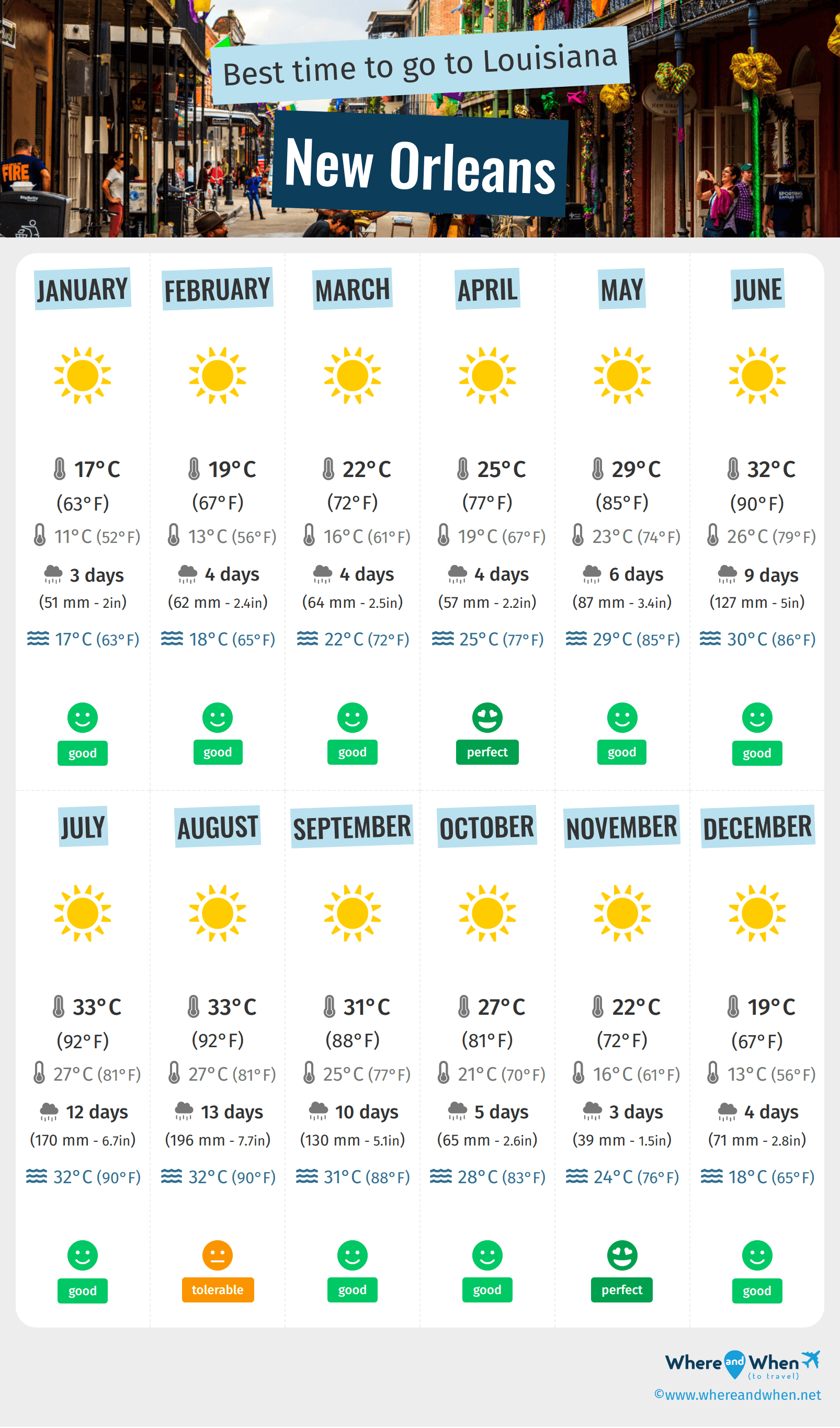
- Weather and Seasonal Timing: Always account for the season when planning your daily itinerary. In the summer, the heat makes midday outdoor activities less comfortable, whereas in the spring and autumn, the weather is perfect for long, multi-hour strolls through City Park.
By mastering the clock, you transform from a casual tourist into an informed traveler. The time in New Orleans is a heartbeat—steady, constant, and ready to guide you through one of the most vibrant cities in the world. Whether you are navigating the historic streets of the Bywater or enjoying a sophisticated evening in the Warehouse District, you are now equipped to manage your time with the precision and grace of a local.
LifeOutOfTheBox is a participant in the Amazon Services LLC Associates Program, an affiliate advertising program designed to provide a means for sites to earn advertising fees by advertising and linking to Amazon.com. Amazon, the Amazon logo, AmazonSupply, and the AmazonSupply logo are trademarks of Amazon.com, Inc. or its affiliates. As an Amazon Associate we earn affiliate commissions from qualifying purchases.