
When travelers think of Nevada, their minds often drift toward the neon-drenched corridors of Las Vegas or the rugged, high-desert landscapes that stretch across the state. However, beyond the slot machines and the mountain peaks lies a distinct culinary landscape shaped by a unique blend of pioneer history, Basque heritage, and the global influences of the world’s most famous entertainment capital. The food of this state is as diverse as its geography, offering a culinary roadmap that tells the story of the Silver State.
The Basque Influence: A Culinary Cornerstone
One of the most surprising and beloved aspects of the Nevada dining scene is its deep-rooted Basque tradition. In the late 19th century, Basque immigrants arrived in the American West to work as shepherds, bringing with them a communal style of dining that has become a quintessential part of the state’s identity, particularly in northern hubs like Elko and Winnemucca.
The Family-Style Experience
The traditional Basque meal is not just about the food; it is about the setting. Historically, sheep camps and boarding houses served as the centers of social life. Today, restaurants like the Star Hotel in Elko continue this legacy. Diners are typically seated at long, communal tables where they are served a parade of dishes. A standard meal begins with a tureen of hearty vegetable soup, followed by crisp garden salad, pickled tongue, and beans simmered to perfection.
The Main Event: Lamb and Picon Punch
The star of the Basque table is almost always lamb. Whether it is roasted, braised, or served as a flavorful stew, the preparation reflects a rustic simplicity that prioritizes quality ingredients. To truly embrace the experience, one must accompany the meal with a Picon Punch. This iconic cocktail, made with Torani Amer, soda water, and a splash of grenadine, acts as the unofficial state drink for many in the region. It is bold, slightly bitter, and carries the spirit of the immigrants who helped build the infrastructure of rural Nevada.
The Evolution of the Las Vegas Buffet
While Basque cuisine defines the rural history of the state, the Las Vegas Strip revolutionized the way the world views large-scale dining. The concept of the “all-you-can-eat” buffet has its roots in the mid-20th century, and while it began as a way to keep gamblers at the tables, it has evolved into a culinary attraction in its own right.
From Budget Bites to Fine Dining
In the early days, the El Rancho Hotel offered the “Buckaroo Buffet,” a simple spread intended to provide sustenance during long nights of gaming. Today, the scale has shifted toward opulence. Resorts such as Caesars Palace and The Cosmopolitan of Las Vegas have transformed the traditional buffet into gourmet experiences featuring fresh seafood, artisanal cheeses, and live-action cooking stations.
Shrimp Cocktail Legacy
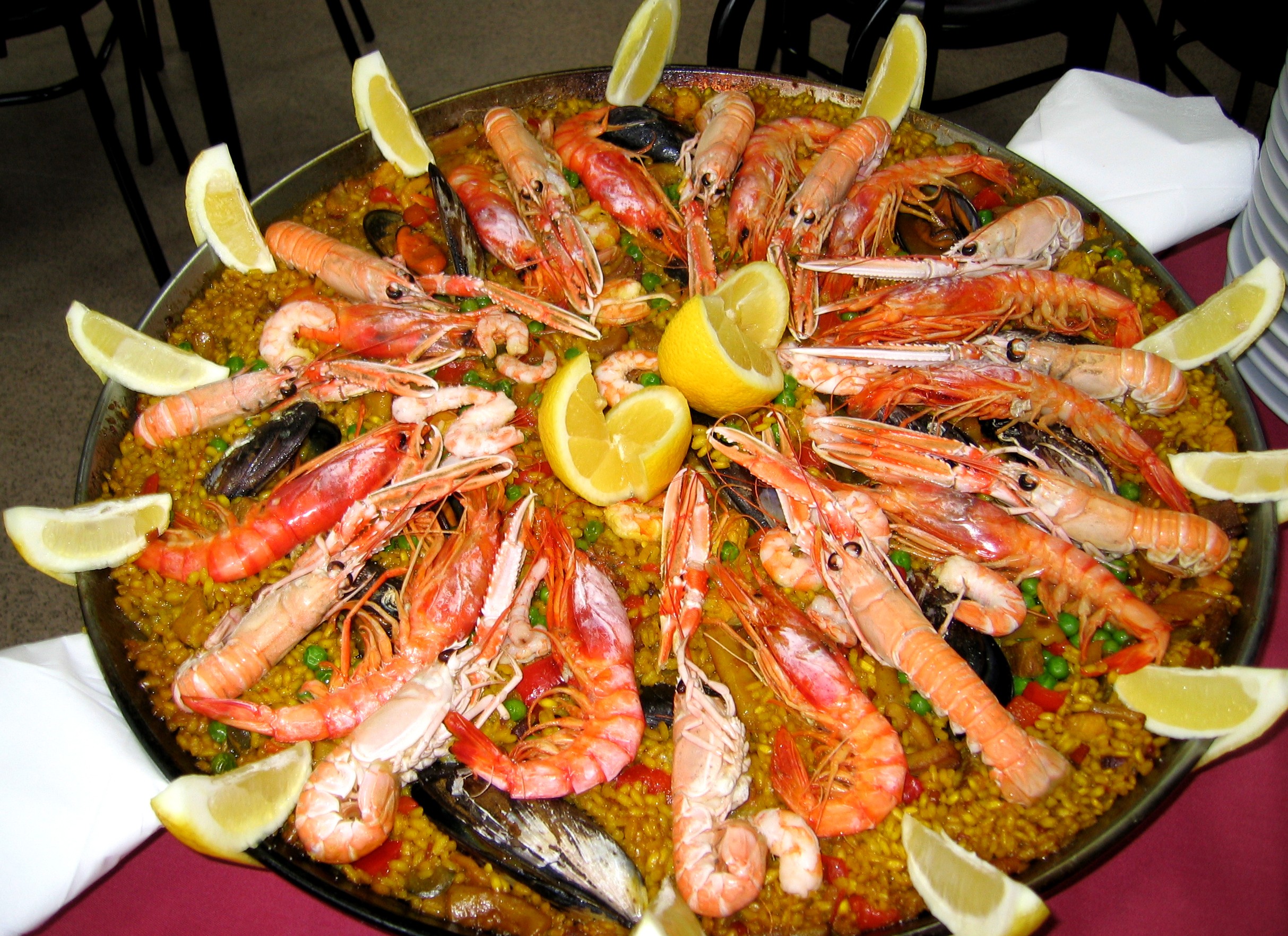
For decades, the shrimp cocktail was the unofficial mascot of downtown Las Vegas. Originally priced at just 99 cents at the Golden Gate Hotel and Casino, it became a symbol of the accessible, fun-focused tourism that defined the era. Though prices have risen with the times, the shrimp cocktail remains a nostalgic staple that reminds visitors of the city’s humble, golden-age beginnings.
Gaming-Inspired Comforts and Local Favorites
Nevada is a state built on the hustle, and its food culture reflects a need for quick, satisfying, and comforting meals that can be enjoyed between rounds of poker or after a day of hiking in Red Rock Canyon.
The Casino Coffee Shop
The “coffee shop” found inside many of the state’s smaller casinos is a unique Nevada institution. These establishments are often open twenty-four hours a day, serving up massive portions of classic American diner food. Whether it is a giant plate of steak and eggs, a triple-decker club sandwich, or a late-night slice of apple pie, these spots are where the local culture of the state truly lives. They cater to a diverse crowd—from tourists taking a break from the Bellagio to shift workers who keep the state running.
Southwestern Flair and Green Chile
Given Nevada’s proximity to New Mexico and its shared history in the American West, the influence of Southwestern flavors is unmistakable. Green chile is a staple ingredient in many Nevada kitchens. It is used to spice up burgers, smother breakfast burritos, and add depth to various savory sauces. You will often find local takes on tacos and enchiladas that highlight the freshness of desert-grown ingredients and the bold heat of the Hatch chile pepper.
The Modern Culinary Renaissance
In recent years, the Nevada food scene has moved well beyond the buffet lines and the sheep camps. The state has seen an influx of world-class chefs who are sourcing ingredients from local farms in places like the Moapa Valley.
Farm-to-Table in the Desert
Though the environment is harsh, innovative agricultural practices are allowing local chefs to showcase the bounty of the region. From desert-ripened tomatoes to locally raised cattle, there is a growing movement to define “Nevada cuisine” through a farm-to-table lens. Restaurants in Reno and the Arts District of Las Vegas are leading this charge, focusing on hyper-local ingredients that contrast sharply with the imported delicacies of the past.
A Diverse Melting Pot
Because Nevada serves as a transient hub for millions of tourists annually, its dining scene has become a global melting pot. You can find authentic regional Chinese cuisine in Chinatown, high-end French dining in Paris Las Vegas, and traditional Mexican street food all within a few miles of one another. This variety is perhaps the most accurate representation of what Nevada food is today: an ever-changing, vibrant, and experimental landscape that refuses to be pinned down to just one style.
Whether you are enjoying a slow, multi-course Basque dinner in the rural heart of the state or grabbing a gourmet burger in the heart of the neon city, you are experiencing a state that has learned to transform its isolation and its status as an entertainment mecca into a truly unique culinary identity. Nevada is a land of surprises, and its food is undoubtedly the best part of the adventure.

