
Planning a trip is an exciting venture, filled with anticipation for new destinations, comfortable rooms, and memorable experiences. However, for younger travelers, college students, and adventurous backpackers, a frustrating roadblock often appears long before the packing begins: the age requirement. When you are eager to book a getaway in vibrant cities like New York or London, you might suddenly find yourself asking a critical question: what age can you rent a hotel?
Navigating the rules of lodging can feel like deciphering a complex code. While society generally views individuals as adults at the age of 18, the hospitality industry operates under a different set of guidelines. Property policies vary wildly depending on the country, state, brand, and even the specific property you wish to book. Understanding these regulations is essential for anyone planning a trip before their mid-twenties, ensuring that your journey remains smooth, stress-free, and devoid of embarrassing lobby rejections.

The Standard Age Requirement Explained
For the vast majority of mainstream properties worldwide, the baseline age requirement to check in is 18 years old. This aligns with the legal age of majority in many jurisdictions, granting individuals the right to sign legally binding contracts, which a hotel reservation fundamentally is. However, assuming that turning 18 grants you universal access to global lodging is a common and costly mistake.
The 21 and Over Rule
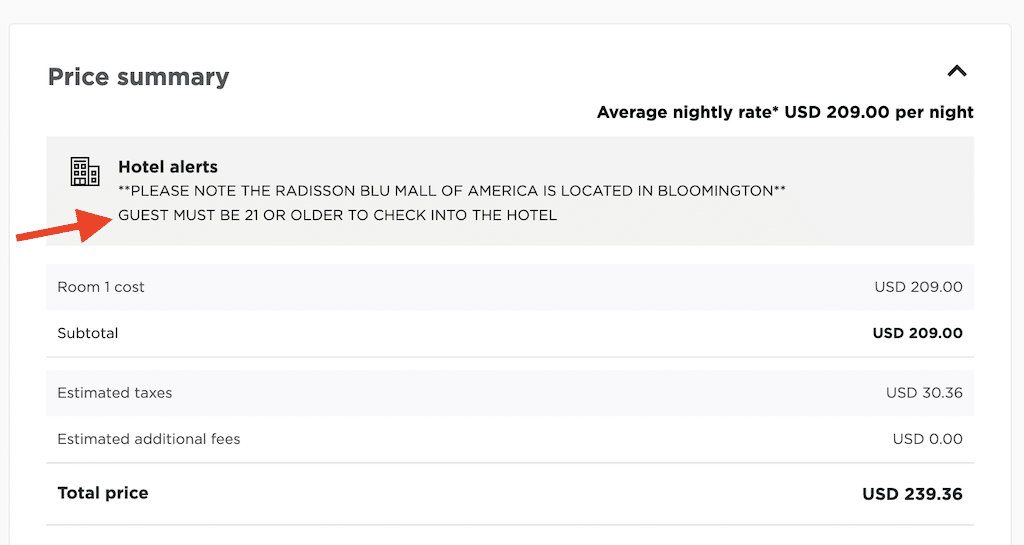
In several regions, most notably across the United States, the standard age requirement shifts dramatically to 21. This discrepancy often catches young travelers off guard. The primary driver behind the 21-plus policy is liability, particularly concerning alcohol consumption. Many properties feature fully stocked minibars in their suites, or they operate profitable on-site lounges, bars, and room service menus that include alcoholic beverages.
Because management holds legal accountability for serving alcohol to minors, many brands—especially major chains operating in party hotspots like Las Vegas or Miami—enforce a strict 21-and-older policy to mitigate legal risks. Furthermore, insurance liabilities and historical concerns regarding property damage from younger demographics heavily influence these corporate decisions.
International Variations
Cross the borders of the United States, and the landscape shifts once again. In most European countries, such as France, Italy, and Spain, the legal check-in age is almost universally 18. Similarly, nations like Australia and Canada generally permit 18-year-olds to book and occupy rooms independently, though Canadian provinces maintain jurisdiction over their own liquor laws, occasionally creating localized policy adjustments. Always research the specific cultural and legal norms of your destination country before finalizing your travel arrangements.
Navigating Major Hotel Chains and Brands
Corporate consistency is rare when it comes to age policies. Even within the same global hospitality corporation, individual franchises hold the ultimate authority to set their own rules. A brand might have a recommended corporate guideline, but a specific franchisee can implement a stricter rule based on local crime rates, past property damage, or regional laws.
Marriott, Hilton, and Hyatt Policies
Industry giants like Marriott International, Hilton Worldwide, and Hyatt Hotels do not enforce a single, uniform global policy for check-in ages. Instead, their guidelines are dictated by location.
- Domestic Properties: In major domestic markets, you will frequently encounter properties requiring the primary guest to be 21.
- Urban vs. Suburban: A resort property near a college town might lower its limit to 18 to capture student traveler business, while a luxury downtown property in Chicago might strictly require guests to be 21 or older.
Boutique Hotels and Independent Properties
Independent boutique accommodations and family-run bed-and-breakfasts offer a mixed bag for younger travelers. On one hand, smaller properties can be remarkably flexible. If you communicate directly with the owner, explain the purpose of your trip, and provide a valid credit card, they may readily accommodate an 18- or 19-year-old traveler. On the other hand, independent owners are acutely protective of their investments. Fearing unruly behavior or parties, some boutique operators enforce even stricter age minimums—sometimes setting the bar at 23 or 25—to ensure a quiet, mature atmosphere for their primary clientele.

Alternatives and Workarounds for Young Travelers
If you are 18, 19, or 20 years old and facing a wall of age restrictions, do not cancel your travel plans just yet. Several practical workarounds and alternative lodging options can help you secure a comfortable place to stay.
Hostels and Youth Accommodations
For backpackers and budget-conscious explorers, hostels are often the ultimate solution. Properties belonging to organizations like Hostelling International or independent operators worldwide are explicitly designed for younger demographics. The standard age requirement for a hostel dorm bed or private room is almost universally 18. Not only do hostels readily welcome young adults, but they also provide an incredible social environment, making them ideal hubs for solo travelers exploring vibrant cities like Amsterdam or Prague.
Vacation Rentals and Peer-to-Peer Platforms
Platforms like Airbnb and Vrbo have revolutionized travel, but they carry their own set of age-related hurdles. The baseline platform rule generally states that you must be 18 to create an account and book a stay. However, individual hosts have the power to implement “house rules” that require guests to be 21 or older. Furthermore, many hosts utilize security technology such as noise-monitoring sensors or smart locks, and they watch out for unauthorized parties thrown by younger groups. Always check the host’s specific house rules before booking to avoid cancellation penalties.
Parental Consent and Co-Signing
If you are under the required age for a specific property, direct communication can work wonders. In some cases, a parent or legal guardian can call the front desk ahead of time, authorize the use of their credit card for the room and incidental charges, and submit a signed consent form releasing liability. While many corporate properties will reject this arrangement due to strict third-party payment rules, smaller motels and independent inns are frequently open to the idea, provided a responsible adult is footing the bill.
Essential Tips for Young Adults Booking Lodging
Securing a room when you are on the younger side requires preparation, diplomacy, and attention to detail. Follow these practical strategies to ensure a seamless check-in experience:
Always Call Ahead
Never rely solely on information found on third-party booking aggregators. Policies change frequently, and regional exceptions are common. Once you select a property—whether it is a grand resort in Maui or a cozy inn in Boston—pick up the phone and speak directly with the front desk staff. Ask clearly: “What is the minimum age required to check into a room, and do you accept guests under 21?”
Understand Incidental Holds
Even if you meet the age requirement, young travelers often overlook the financial mechanics of checking in. Most properties require a valid credit card (not a debit card or prepaid card) in the name of the registered guest to cover incidental damages. When you check in, the front desk will place a temporary hold on your card—often ranging from $50 to $150 per night—above and beyond the room rate. Ensure your credit limit can comfortably handle this hold, as debit card holds can take up to ten business days to clear back into your bank account.
Respect the Rules and Build a Reputation
The hospitality industry is cautious about younger guests primarily due to past negative experiences with unauthorized gatherings and property damage. By maintaining respectful behavior, keeping noise levels down, and treating the staff and facilities with courtesy, you prove that young travelers can be exemplary guests. Your responsible actions pave the way for a more trusting relationship between hoteliers and the next generation of global explorers.
LifeOutOfTheBox is a participant in the Amazon Services LLC Associates Program, an affiliate advertising program designed to provide a means for sites to earn advertising fees by advertising and linking to Amazon.com. Amazon, the Amazon logo, AmazonSupply, and the AmazonSupply logo are trademarks of Amazon.com, Inc. or its affiliates. As an Amazon Associate we earn affiliate commissions from qualifying purchases.