
For travelers and business professionals alike, Nevada stands as one of the most unique economic landscapes in the United States. Known globally for the neon lights of Las Vegas and the high-desert serenity of Reno, the state offers a financial environment that can significantly influence the cost of a trip or a relocation. Understanding the tax landscape—specifically how sales and hospitality taxes function—is essential for anyone planning a visit or considering a stay in this vibrant region.
The Foundation of Nevada’s Sales Tax Structure
When you walk into a shop on the Las Vegas Strip or grab a meal near Lake Tahoe, you will encounter a sales tax rate that varies depending on the specific county. Unlike states with a singular, uniform statewide sales tax, Nevada operates on a base rate supplemented by local government taxes.

Understanding the Base Rate
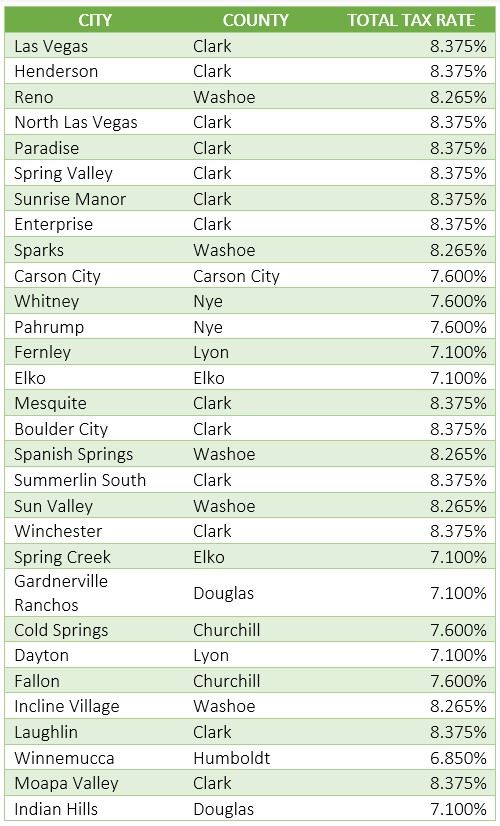
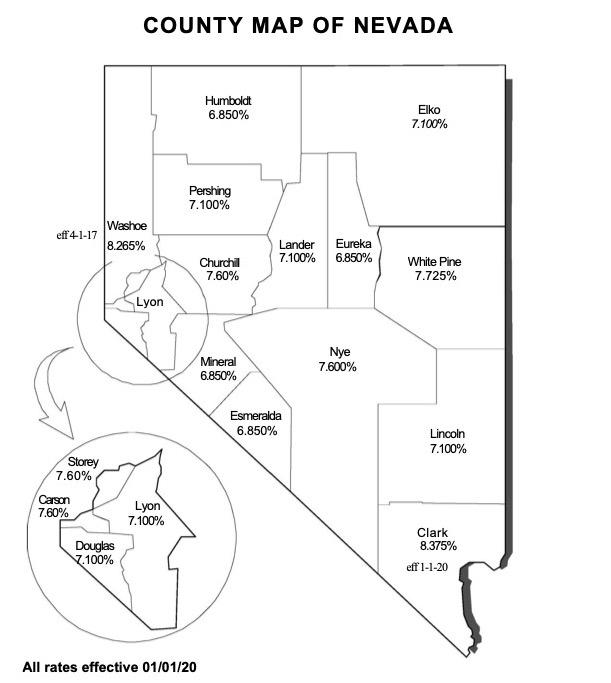
The base state sales tax rate is currently 6.85%. However, this is merely the starting point. Every county in the state has the authority to impose additional local taxes. Consequently, visitors rarely pay exactly 6.85%. In major tourist hubs like Clark County, the combined rate is typically higher, often hovering around 8.375%.
How Geography Affects Your Wallet
If you are traveling through Washoe County, which encompasses the city of Reno, you will find a slightly different tax architecture than what you might experience in Henderson. These fluctuations, while seemingly minor, are important for budget-conscious travelers planning an extended stay or organizing large-scale corporate events. When budgeting for your Nevada trip, it is advisable to account for a sales tax range between 7% and 8.5% to ensure your financial projections remain accurate.
The Impact of Hospitality and Room Taxes
For those visiting for leisure or business, the most significant financial consideration is not the general sales tax, but rather the specialized lodging and hospitality taxes. When you book a room at a world-class property such as the Bellagio or the Caesars Palace, you are subject to the transient lodging tax, commonly referred to as the “room tax.”
Transient Lodging Tax Explained
This tax is applied specifically to short-term stays, including hotels, motels, and even short-term rental properties listed on platforms like Airbnb. The rate varies significantly by municipality. In the resort corridors of Las Vegas, the room tax is notably higher than in rural areas because it often includes a surcharge that funds the Las Vegas Convention and Visitors Authority.
Resort Fees and Their Tax Implications
A unique aspect of the Nevada hospitality industry is the prevalence of “resort fees.” These fees are added to the room rate to cover amenities such as Wi-Fi, fitness center access, and pool usage. It is critical for travelers to realize that in many jurisdictions, these mandatory fees are considered part of the taxable room price. Therefore, when you see a quote for a room at a property like the Venetian Resort, the total tax burden will be calculated based on the room rate plus these additional resort fees.
Strategic Financial Planning for Nevada Visitors
Whether you are a family visiting the Grand Canyon—which is often a part of a larger Nevada road trip—or a business traveler attending a trade show at the Las Vegas Convention Center, strategic planning can help mitigate the impact of these taxes on your overall budget.
Tips for Budgeting Effectively
- Factor in the “Hidden” Costs: Always look for the “total estimated price” during the booking process. Websites often show the nightly rate prominently, but the final checkout page will reveal the true cost once the transient lodging tax and state/local sales taxes are applied.
- Consider Your Location: If you are visiting for an extended period, staying slightly outside the major resort corridors can sometimes reduce your exposure to certain tourism-specific surcharges. Areas like Summerlin offer luxury accommodations while often operating under slightly different tax or fee structures than the heart of the Las Vegas Strip.
- Understand Exemptions: For business travelers, some long-term stays (typically lasting 30 days or more) may qualify for exemptions from transient lodging taxes. If you are planning an extended business stay in Reno or Las Vegas, inquire with the hotel management about long-term stay rates and tax relief.
The Benefit of No State Income Tax
While the sales and hospitality taxes are vital to understand, it is important to balance this with the broader economic reality of the state. One of the primary reasons Nevada remains such a popular destination for those relocating for business or lifestyle changes is the absence of a state personal income tax. This lack of income tax is a primary driver of the state’s economic growth and explains why the state relies more heavily on sales and hospitality taxes to fund public infrastructure, schools, and essential services. When you pay your Nevada sales tax, you are contributing directly to the upkeep of the iconic infrastructure that makes Las Vegas and other regional attractions so accessible and enjoyable.
Navigating the Future of Nevada’s Tax Landscape
As the state continues to evolve into a global hub for entertainment, technology, and corporate events, the tax environment remains dynamic. Changes in local ordinances, especially regarding the taxation of short-term vacation rentals and digital services, are common.
For the modern traveler, staying informed is the best policy. Always check official county websites before traveling to get the most up-to-date information regarding local tax rates. If you are planning to attend major events, such as those at the Allegiant Stadium, be prepared for potential surcharges on ride-sharing services or specialized event-day taxation in specific districts.
In conclusion, while the tax rate in Nevada is not a single, flat percentage, it is a transparent system that supports the state’s world-class tourism industry. By understanding the interplay between base sales tax and local lodging surcharges, you can better manage your travel finances, ensuring that your experience—whether you are enjoying a show at the MGM Grand or exploring the natural beauty of Red Rock Canyon—remains both enjoyable and financially predictable. Preparation is the hallmark of the savvy traveler, and in Nevada, it is the key to getting the most out of your stay.
LifeOutOfTheBox is a participant in the Amazon Services LLC Associates Program, an affiliate advertising program designed to provide a means for sites to earn advertising fees by advertising and linking to Amazon.com. Amazon, the Amazon logo, AmazonSupply, and the AmazonSupply logo are trademarks of Amazon.com, Inc. or its affiliates. As an Amazon Associate we earn affiliate commissions from qualifying purchases.