
For decades, the sprawling, rain-slicked metropolis of Gotham City has stood as one of the most iconic fictional locations in popular culture. As the brooding home of Batman, it serves as a dark, architectural mirror to reality. Fans and travelers often find themselves wandering the streets of New York City, craning their necks at the Art Deco skyscrapers and gothic spires, and asking the inevitable question: Is this where it all happens? While Gotham is a narrative construct, its DNA is undeniably woven into the steel and stone of the American urban experience.
The Architectural Inspiration Behind the Myth
To understand the relationship between the comic book world and the real world, one must look at the structural history of the cities that inspired it. Gotham City was never intended to be a singular place; it is a composite.
The Art Deco Influence
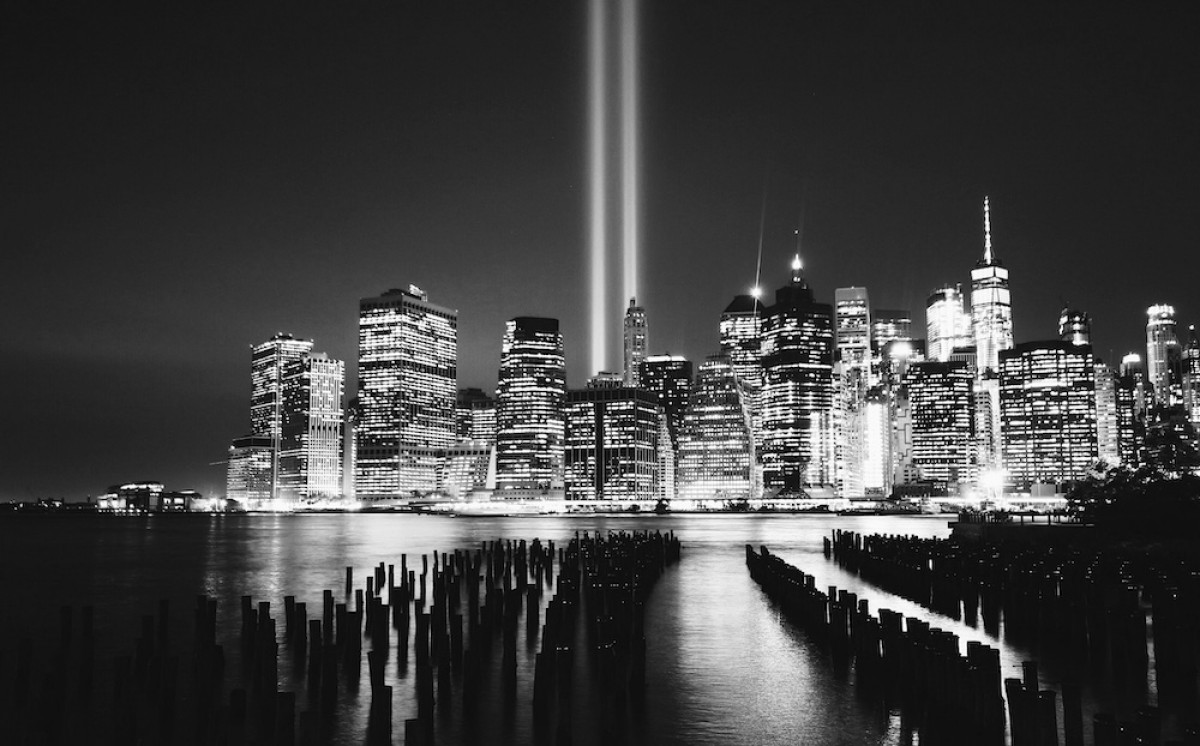
The visual language of Gotham is steeped in the soaring, ornate styles of the 1920s and 1930s. When artists and writers began shaping the look of the city, they looked toward the Chrysler Building and the Empire State Building. These structures, with their gargoyles, dramatic setbacks, and limestone facades, provided the “gothic” element of the name. If you walk through Midtown Manhattan today, the verticality and sense of overwhelming scale perfectly encapsulate the feeling of navigating the streets of DC Comics‘ most famous city.
Industrial Noir and Atmospheric Density
Beyond the high-rises, Gotham is defined by its grit. The early depictions of the city drew heavily from the industrial decay of New Jersey and the dense, shadowed alleys of Lower Manhattan. The juxtaposition of wealth and squalor is a hallmark of the city’s geography. Just as New York balances the luxury of the Upper East Side with the cramped, bustling energy of its outer boroughs, Gotham functions as a city of extreme contrasts.
Geography: Mapping the Fictional Coastline
While many associate the city strictly with New York, the internal logic of the DC Universe provides a slightly different perspective. Over the years, maps published in comic books have often placed Gotham in New Jersey, across the bay from Metropolis—which itself is often positioned as a stand-in for the brighter, more optimistic side of New York City.
A New Jersey Location?
In several canonical interpretations, Gotham is situated in a fictionalized version of a coastal New Jersey town. This placement allows for a specific aesthetic: the industrial harbor, the proximity to a major metropolitan hub, and the sense of being slightly removed from the center of power. This proximity mirrors how commuters look at the Jersey City waterfront across the Hudson River, watching the skyline of the island of Manhattan shimmer in the distance.
The Urban Amalgamation
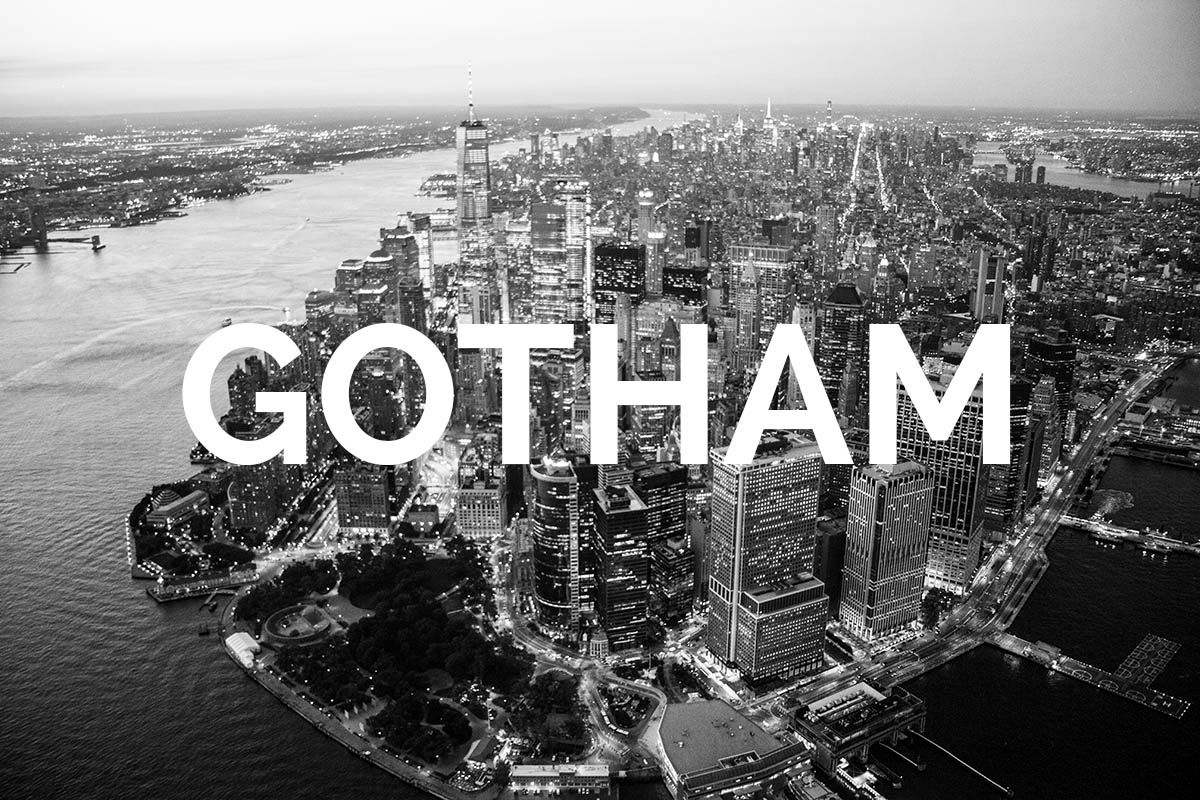
Despite the “New Jersey” designation on a map, the soul of Gotham remains firmly planted in the Five Boroughs. The bustling Subway system, the yellow taxis weaving through rain-drenched streets, and the sheer density of human activity are distinctly representative of the Big Apple. When filmmakers like Christopher Nolan or Todd Phillips choose locations, they gravitate toward sites like the Brooklyn Bridge or the narrow, dramatic streets of the Financial District. These landmarks ground the fantasy in a tangible reality.
Tourism and the Cult of Gotham
For the modern traveler, Gotham City has become more than just a setting; it has become a destination of the imagination. Visitors to the United States often seek out the sites that made the city famous.
Walking the Streets of the Dark Knight
Tourism in New York City often intersects with pop culture pilgrimages. Fans of the lore visit Grand Central Terminal to see the vaulted ceilings that feel like a backdrop for an epic showdown. They walk through Central Park at dusk, imagining the shadows stretching out from the trees. This experience highlights how Gotham has transcended its paper origins to become a permanent layer of meaning laid over the physical city.
Architecture as Storytelling
Why does the association persist? Because the urban experience in New York City is itself theatrical. The towering masonry and the steam rising from the vents in Times Square provide the perfect backdrop for stories about vigilance, corruption, and redemption. It is not that Gotham is literally in New York; it is that the architectural grandeur and social complexity of the Empire State offer a canvas so vast that the writers could not help but borrow its features.
The Cultural Legacy of a Fictional Metropolis
Ultimately, the question of whether Gotham exists in New York is a matter of perspective. From a cartographic standpoint, the answer is a firm no—Gotham is a fictional entity. From a cultural standpoint, however, the answer is undoubtedly yes.
Defining the Modern Urban Landscape
The influence of Gotham has redefined how we perceive the modern city. It is a place where we go to explore the darker elements of the human condition through the lens of urban planning and design. By studying the landmarks, the layout, and the atmosphere of places like Chicago, Pittsburgh, and New York City, we can see the real-world skeletons upon which the fantasy was built.

The Ongoing Relationship
As long as people flock to the Metropolitan Museum of Art or admire the facade of St. Patrick’s Cathedral, the spirit of Gotham will remain. It is a city that belongs to the collective imagination, a place that reminds us that beneath the bustle of modern life, there is always room for a bit of mystery and myth-making. The next time you walk through the streets of Lower Manhattan, look up at the gargoyles perched on the eaves and the dark corners of the alleys. You aren’t just visiting a city; you are stepping into a story that has become a permanent feature of our cultural landscape. Whether you are a fan of DC Comics or simply a lover of urban history, the blend of reality and fiction is what makes traveling to these great metropolitan centers so uniquely rewarding. The mystery of Gotham persists, proving that the most memorable places are the ones that manage to exist in two worlds at once: the one we see with our eyes, and the one we build in our minds.
LifeOutOfTheBox is a participant in the Amazon Services LLC Associates Program, an affiliate advertising program designed to provide a means for sites to earn advertising fees by advertising and linking to Amazon.com. Amazon, the Amazon logo, AmazonSupply, and the AmazonSupply logo are trademarks of Amazon.com, Inc. or its affiliates. As an Amazon Associate we earn affiliate commissions from qualifying purchases.