
Situated just a short drive from the neon-soaked energy of the Las Vegas Strip, the Red Rock Canyon National Conservation Area stands as a profound testament to the natural majesty of Nevada. While many travelers visit this region exclusively for the gaming floors and nightlife of Las Vegas, those in the know understand that the true heartbeat of the Mojave Desert lies within these towering sandstone cliffs.
Geographical Positioning and Access
Located approximately 17 miles west of downtown Las Vegas, Red Rock Canyon is nestled within the Spring Mountains. This proximity makes it one of the most accessible wilderness areas in the United States. Visitors generally access the area via Charleston Boulevard, which leads directly into the heart of the conservation area.

Navigating the Scenic Loop
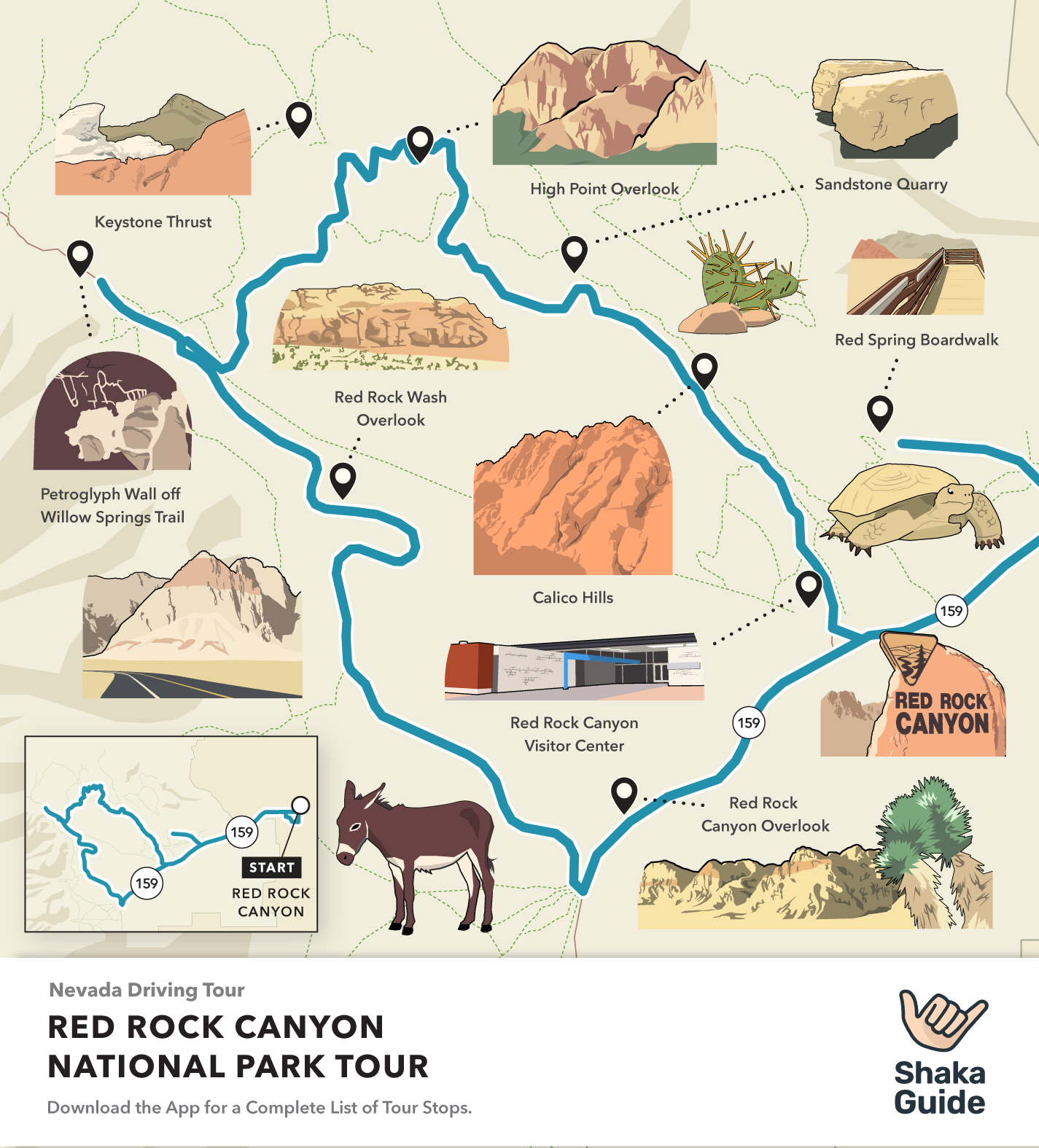
The primary way to experience the park is via the Red Rock Canyon Scenic Drive, a 13-mile one-way paved road that winds through the most dramatic geology of the region. This route provides immediate access to major trailheads, viewpoints, and picnic areas. During peak seasons, it is essential to note that the Bureau of Land Management often requires a timed-entry reservation, reflecting the site’s massive popularity as a premier destination for outdoor enthusiasts.
Proximity to Major Hubs
While the canyon feels worlds away from the urban sprawl, its location makes it an ideal day trip. Whether you are staying in the luxury resorts of Summerlin or the bustling corridors of Paradise, the transition from high-rise hotel to high-desert hiking trail takes less than 30 to 40 minutes. This ease of access differentiates the canyon from more remote national parks, allowing travelers to balance a morning of strenuous hiking with an evening of fine dining.
Geological Significance and Landscape
The landscape of Red Rock Canyon is defined by the Keystone Thrust Fault, a geological phenomenon that occurred when two tectonic plates collided. This event pushed older limestone over younger sandstone, creating the striking color contrast that gives the area its name. The intense crimson hues of the Aztec Sandstone are the result of iron oxide, which has oxidized over millions of years to provide a fiery, rust-colored backdrop against the clear North American sky.
The Aztec Sandstone Formation
The red rocks themselves are composed of sand dunes that existed during the Jurassic period. As you walk along trails like the Calico Tanks Trail, you are essentially traversing the petrified remnants of a vast prehistoric desert. The wind and water erosion over millennia have carved deep canyons, natural bridges, and hidden water pockets, creating a complex topography that attracts geologists and photographers from around the globe.
Flora and Fauna of the Mojave
Despite the harsh appearance of the rocks, the canyon is a thriving ecosystem. Hikers might encounter the Desert Bighorn Sheep, which are often spotted navigating the steep cliffs with ease. The vegetation is uniquely adapted to the arid climate; you will find stands of Joshua Trees, resilient creosote bushes, and various species of cacti. Springtime visitors are often treated to a spectacular display of wildflowers, which turn the desert floor into a mosaic of yellow, purple, and white.
Outdoor Recreation and Activities
Red Rock Canyon is not merely a sight to behold; it is an active playground. With over 30 miles of hiking trails ranging from easy walking paths to strenuous mountain scrambles, there is a route for every skill level.
Premier Hiking Destinations
- Ice Box Canyon: This trail leads into a deep, shaded canyon where temperatures are significantly cooler than the surrounding desert, often featuring seasonal waterfalls.
- Turtlehead Peak: For those seeking a challenge, this strenuous hike offers panoramic views of the entire Las Vegas Valley and the surrounding Spring Mountains.
- Lost Creek Trail: A short, family-friendly loop that features a hidden waterfall and ancient Petroglyphs carved into the rock face by indigenous populations, including the Southern Paiute people.
Rock Climbing and Biking
Beyond hiking, the area is world-renowned for its rock climbing. The Red Rock National Conservation Area features thousands of climbing routes, ranging from bouldering to multi-pitch traditional climbing. The Sandstone Quarry remains one of the most popular areas for climbers looking to test their mettle against the formidable vertical walls. Furthermore, the scenic drive is a magnet for cyclists, offering a challenging, undulating ride with breathtaking vistas at every turn.
Planning Your Visit
To truly appreciate the scale and beauty of the region, careful planning is required. The desert environment is unforgiving, and conditions can change rapidly.
Seasonal Considerations
The best time to visit is during the cooler months, specifically from October through April. During the summer, temperatures in the Clark County region can exceed 100 degrees Fahrenheit, making mid-day hiking dangerous. If you must visit during the summer, plan to arrive at sunrise when temperatures are manageable and the desert wildlife is most active.

Essential Tips for Travelers
- Hydration: Always carry more water than you think you need. The humidity in this region is extremely low, leading to rapid dehydration.
- Leave No Trace: Red Rock Canyon is a protected area. Ensure that all trash is packed out and that you stay on marked trails to protect the delicate biological soil crust.
- Connectivity: Cell phone service can be spotty within the deeper canyons. Download maps and information before you head out from your hotel in Henderson or North Las Vegas.
- Entrance Fees: As a federally managed site, an entry fee is required for vehicles. Consider purchasing an annual pass if you plan to visit multiple times or intend to explore other National Park Service managed lands in the Western United States.
By visiting Red Rock Canyon, travelers gain a deeper understanding of the diverse landscape that defines Nevada. It is a place of profound silence, stark beauty, and geological wonder, serving as the perfect counterpoint to the synthetic glamour of the city. Whether you are an avid climber, a casual photographer, or someone simply looking to reconnect with nature, the canyon offers an unforgettable experience that lingers long after you have returned to the bustle of the city.
LifeOutOfTheBox is a participant in the Amazon Services LLC Associates Program, an affiliate advertising program designed to provide a means for sites to earn advertising fees by advertising and linking to Amazon.com. Amazon, the Amazon logo, AmazonSupply, and the AmazonSupply logo are trademarks of Amazon.com, Inc. or its affiliates. As an Amazon Associate we earn affiliate commissions from qualifying purchases.