
Understanding the Legal Status of Kratom in the Sunflower State
When planning a journey through the heart of the American Midwest, travelers often research local regulations regarding various herbal supplements, wellness products, and botanical items. For those exploring the vibrant landscapes of Kansas, a common question arises regarding the legal classification of Mitragyna speciosa, commonly known as kratom. Navigating state laws is a crucial part of responsible travel and lifestyle planning, ensuring that visitors and residents alike remain fully compliant with local statutes while enjoying everything the region has to offer.
The Current State-Level Legislation
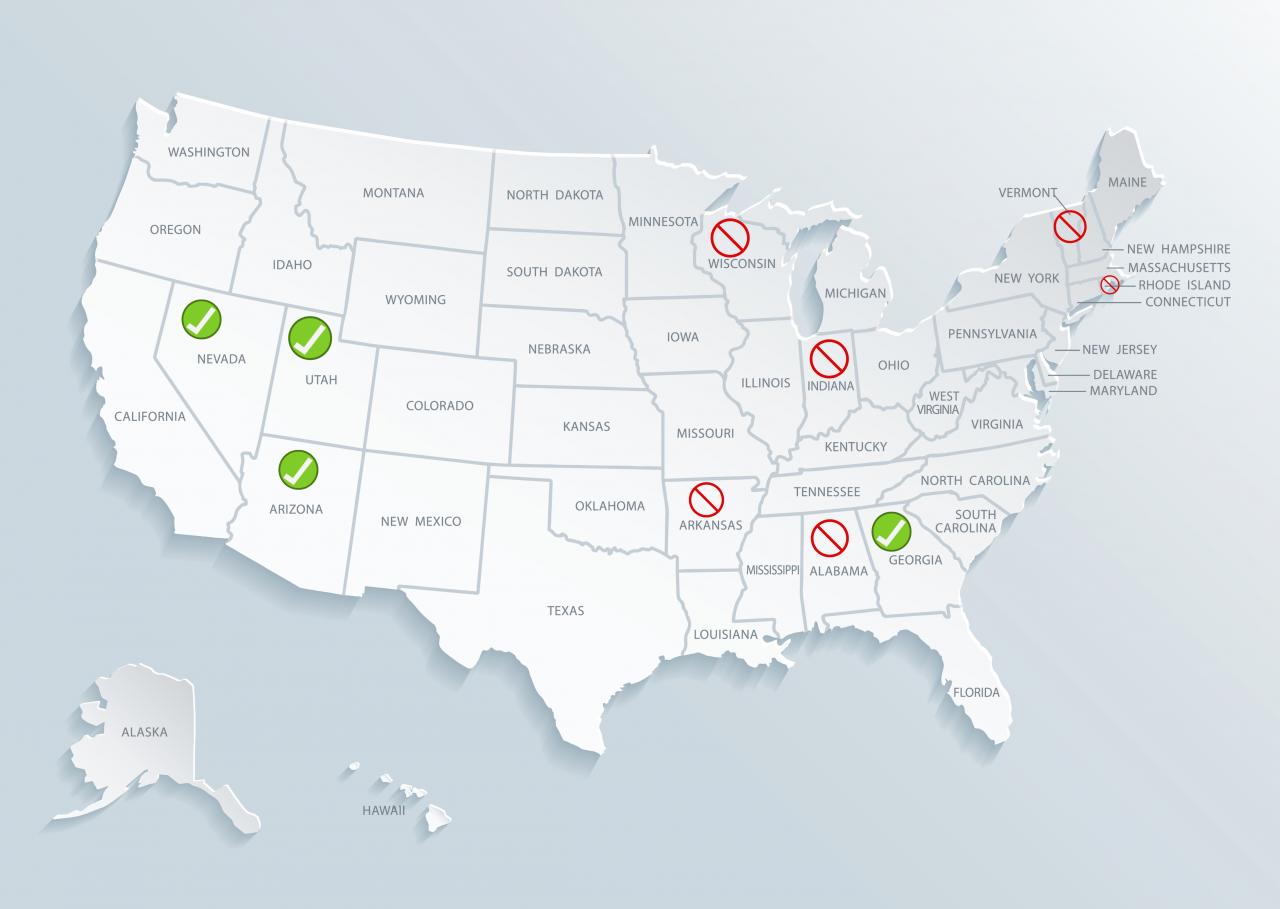
At the state level in Kansas, kratom is currently legal for purchase, possession, and consumption for adults. Unlike several other U.S. states that have enacted total bans on the botanical, the Kansas Legislature has not classified kratom as a controlled substance. Lawmakers have introduced various bills over recent legislative sessions attempting to restrict or criminalize the plant, but as of now, none of these prohibitive measures have successfully passed into law. This means that travelers exploring cities like Wichita, Overland Park, or the capital city of Topeka will find the substance legally available in specialized herbal shops and smoke shops.
Local Ordinances and Municipal Variations
While the state government permits the sale and use of the botanical, travelers must remain mindful of local ordinances. Municipalities within Kansas possess the authority to enact their own regulations, which can sometimes differ from state-level policies.
- It is essential for visitors to check city-specific rules before purchasing or carrying herbal products.
- Certain counties or towns may introduce local bans or strict zoning laws regarding specialty supplement stores.
- Law enforcement agencies at the local level operate under municipal guidelines, meaning a specific city council could theoretically vote to restrict sales even if the broader state laws remain permissive.
The Push for Regulation: The Kratom Consumer Protection Act
Rather than outright bans, the legislative focus in Kansas has frequently shifted toward consumer safety and regulatory frameworks. Advocacy groups and industry stakeholders have heavily lobbied for the adoption of the Kratom Consumer Protection Act. This proposed legislation aims to establish strict standards for product manufacturing, labeling, and distribution.

Key Elements of Consumer Protection Proposals
- Age Restrictions: Bypassing sales to minors, typically setting the minimum age at 18 or 21.
- Quality Assurance: Mandatory laboratory testing to ensure products are free from harmful contaminants, heavy metals, and synthetic adulterants.
- Clear Labeling: Requiring manufacturers to list alkaloid content, specifically mitragynine and 7-hydroxymitragynine percentages, along with clear ingredient disclosures.
- Penalties for Violations: Establishing fines for retailers who sell adulterated or mislabeled botanical goods to the public.
Implementing such a framework helps protect consumers while acknowledging the demand for natural wellness products among tourists and residents traversing the Midwest.
Traveling Safely with Herbal Supplements in the Midwest
For lifestyle enthusiasts and wellness-focused travelers moving across state lines, understanding transport regulations is just as important as knowing local purchasing laws. Because state laws regarding herbal extracts and botanical leaves vary dramatically across the United States, proper planning prevents unexpected legal complications during a road trip or vacation.
Navigating Neighboring State Boundaries
If your travel itinerary includes driving through states surrounding Kansas, you must exercise extreme caution. The legal landscape changes rapidly as you cross state borders:
- To the south, Oklahoma maintains a largely permissive stance, though regulatory discussions are ongoing.
- To the east, Missouri allows the sale and possession of the botanical, though certain municipalities have debated local restrictions.
- Conversely, traveling west into Colorado or north into states with stricter controlled substance schedules requires careful verification of current laws to avoid possessing prohibited items in restricted jurisdictions.

Best Practices for Responsible Tourism
When engaging in lifestyle tourism that incorporates herbal supplements and botanical products, maintaining awareness and exercising discretion ensures a smooth and stress-free journey.
- Research Ahead of Time: Always consult official government websites or legal updates before embarking on your trip to Kansas.
- Verify Retailer Credibility: If purchasing products locally, patronize reputable, established storefronts that prioritize transparency and quality labeling.
- Keep Products Secure: When traveling, store items in their original, clearly labeled packaging to easily verify their contents if questioned by transport authorities or local officials.
- Respect Local Culture: Be mindful of public perception and local norms regarding alternative wellness products while enjoying regional attractions, parks, and dining establishments.
By staying informed about legislative updates, municipal codes, and consumer safety standards, travelers can confidently navigate the legal landscape of Kansas while enjoying a safe, enriching, and legally compliant travel experience.
LifeOutOfTheBox is a participant in the Amazon Services LLC Associates Program, an affiliate advertising program designed to provide a means for sites to earn advertising fees by advertising and linking to Amazon.com. Amazon, the Amazon logo, AmazonSupply, and the AmazonSupply logo are trademarks of Amazon.com, Inc. or its affiliates. As an Amazon Associate we earn affiliate commissions from qualifying purchases.