
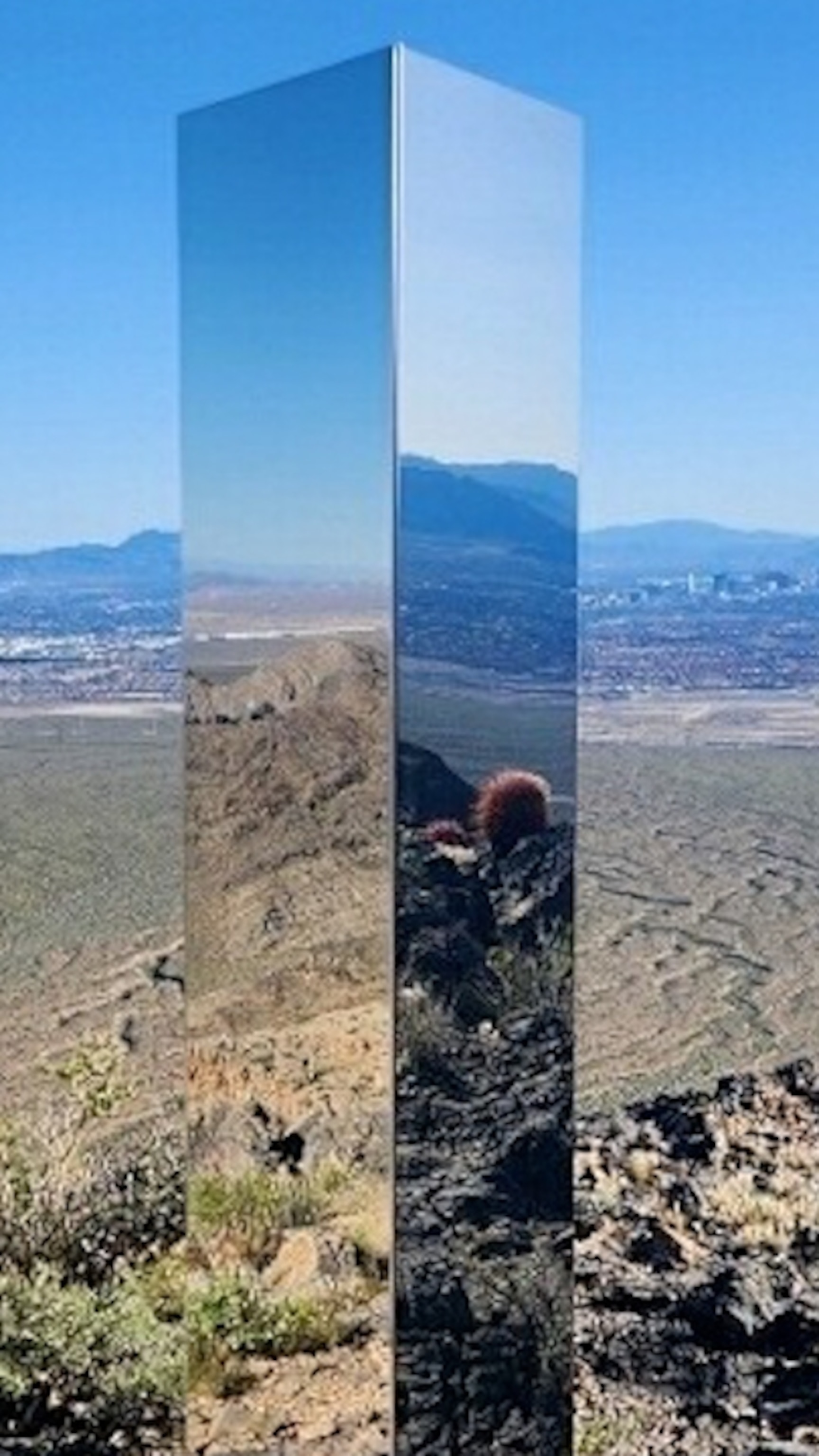
The American West has long been a canvas for the strange, the unexplained, and the artistic. From the ancient petroglyphs etched into the canyon walls of the Mojave Desert to the modern-day land art installations that dot the basin and range province, Nevada has cemented its status as a premier destination for those seeking the enigmatic. In recent years, a new phenomenon has gripped the public imagination: the appearance of mysterious, metallic monoliths. These stark, reflective pillars, which seem to materialize overnight in remote wilderness areas, have become iconic landmarks for the digital age.
The Genesis of the Monolith Phenomenon
The obsession with these structures began in late 2020, with a mysterious discovery in the red rock canyons of Utah. When the first monolith was found, social media erupted with theories ranging from extraterrestrial visitation to elaborate performance art. Shortly thereafter, similar structures began appearing across the globe, including various points across the United States.
The Appeal of Remote Exploration
For many travelers, the hunt for these monoliths is less about the objects themselves and more about the journey they mandate. To find them, one must venture far off the beaten path, often requiring a high-clearance vehicle, a keen sense of navigation, and a deep respect for the unforgiving Great Basin. The allure lies in the juxtaposition of a sleek, industrial-looking object against the rugged, untouched topography of the high desert.
The Intersection of Art and Landscape
These monoliths serve as a modern dialogue with the long history of land art in the West. Much like Michael Heizer’s massive installation, Double Negative, located near Overton, the monoliths invite observers to reconsider their relationship with the environment. They act as a mirror, literally reflecting the surrounding Basin and Range National Monument, forcing us to see the landscape not just as a backdrop, but as an active participant in the visual experience.
Navigating the Search in Southern Nevada
While monoliths have been reported in various states, tracking one down in Nevada requires patience and a bit of detective work. Unlike a traditional tourist attraction, these installations are ephemeral; they appear without warning and are often removed just as quickly by local authorities or anonymous creators.
The Fremont Street Discovery
In early 2021, Las Vegas saw its own version of the phenomenon appear on the iconic Fremont Street. Unlike its remote counterparts, this monolith was nestled in the heart of the city’s entertainment district, surrounded by the neon glow of the Golden Nugget and the bustling crowds of the Downtown Las Vegas area. This urban installation provided a sharp contrast to the solitary structures found in the desert, highlighting how art can shift in meaning depending on its coordinates.
Safety and Preparation for Desert Trekking
If you are planning to search for monoliths located in the vast, arid wilderness surrounding cities like Henderson or Boulder City, preparation is non-negotiable. The Nevada desert is beautiful but deceptive. Temperatures can swing drastically between day and night, and cellular service is often non-existent once you leave the major highways.

- Always carry extra water: Dehydration is a constant threat in the American Southwest.
- Utilize GPS and offline maps: Never rely on a smartphone app that requires a connection.
- Respect the land: Many of these sites are located near protected areas or sensitive geological formations. Practice Leave No Trace principles to ensure these landscapes remain pristine.
The Broader Context of Nevada Landmarks
Whether or not you find a monolith, Nevada remains a treasure trove of geological and historical landmarks that are arguably more enduring than a temporary metal pillar. The state’s landscape is defined by its deep time—the geological eras that shaped the jagged peaks of the Sierra Nevada and the sprawling salt flats that stretch toward the horizon.
Iconic Destinations Beyond the Obscure
If your interest is in unique structures and historic landmarks, Nevada offers plenty of alternatives to the ephemeral monolith trend.
- Seven Magic Mountains: Located just south of Las Vegas, this vibrant art installation features towering, neon-colored boulders that have become one of the most photographed sites in the state.
- Valley of Fire State Park: Known for its brilliant red Aztec sandstone, this park feels like another planet. It is a must-visit for anyone who finds the mystery of desert landscapes compelling.
- Red Rock Canyon National Conservation Area: A stone’s throw from the urban sprawl, these massive limestone formations offer a glimpse into the tectonic power that formed the Western United States.
Why We Hunt for the Unknown
The monolith phenomenon speaks to a primal human urge: the desire to find something mysterious in an age of total surveillance and satellite imagery. When we set out to find a monolith in the Nevada desert, we are participating in a modern-day treasure hunt. Even if the monolith is gone by the time we arrive, the act of searching forces us to slow down, explore the quiet corners of Lincoln County or the expansive vistas of White Pine County, and appreciate the sheer scale of the wilderness.
Preserving the Mystery
As the novelty of the monoliths begins to wane, it is important to reflect on the impact of “viral” landmarks on local communities. While these structures draw curious travelers to small towns like Tonopah or Ely, they also raise questions about site conservation. The influx of visitors to previously quiet, unmapped coordinates can lead to environmental degradation if not managed correctly.

Responsible Tourism in the Basin
If you continue to search for these elusive objects, do so with an eye toward sustainability. Supporting local businesses in small towns you pass through helps bolster the economy of rural Nevada. Eat at the local diners, stay at the historic motels, and interact with the local residents. The beauty of travel in this region is the connection between the traveler and the stark, open space. Whether you encounter a man-made monolith or a naturally occurring rock formation that defies logic, the most valuable takeaway is the perspective gained from standing in the center of such vast, untamed beauty.
The search for the monolith is, ultimately, a search for ourselves in the silence of the desert. It is an acknowledgment that even in a digital world, there are still corners that remain hidden, waiting for a persistent traveler to find them. Keep your eyes on the horizon, pack your gear, and respect the landscape. The desert has a way of revealing its secrets only to those who are willing to take the time to listen.
LifeOutOfTheBox is a participant in the Amazon Services LLC Associates Program, an affiliate advertising program designed to provide a means for sites to earn advertising fees by advertising and linking to Amazon.com. Amazon, the Amazon logo, AmazonSupply, and the AmazonSupply logo are trademarks of Amazon.com, Inc. or its affiliates. As an Amazon Associate we earn affiliate commissions from qualifying purchases.