
Determining the ideal time to visit Hawaii involves balancing weather preferences, crowd densities, and the unique allure of seasonal events. As an archipelago that remains perennially inviting, the “best” season depends largely on what you seek from your island escape. Whether you are chasing the legendary North Shore swells, looking for serene beach days, or hoping to witness the annual migration of humpback whales, understanding the rhythmic shifts of the islands is essential for planning your journey.
Understanding the Hawaiian Seasons: Wet vs. Dry
Unlike the traditional four-season model found in many parts of the world, Hawaii primarily experiences two seasons: the dry season, known as kauwela, and the wet season, known as hooilo.
The Dry Season (Mid-April to October)
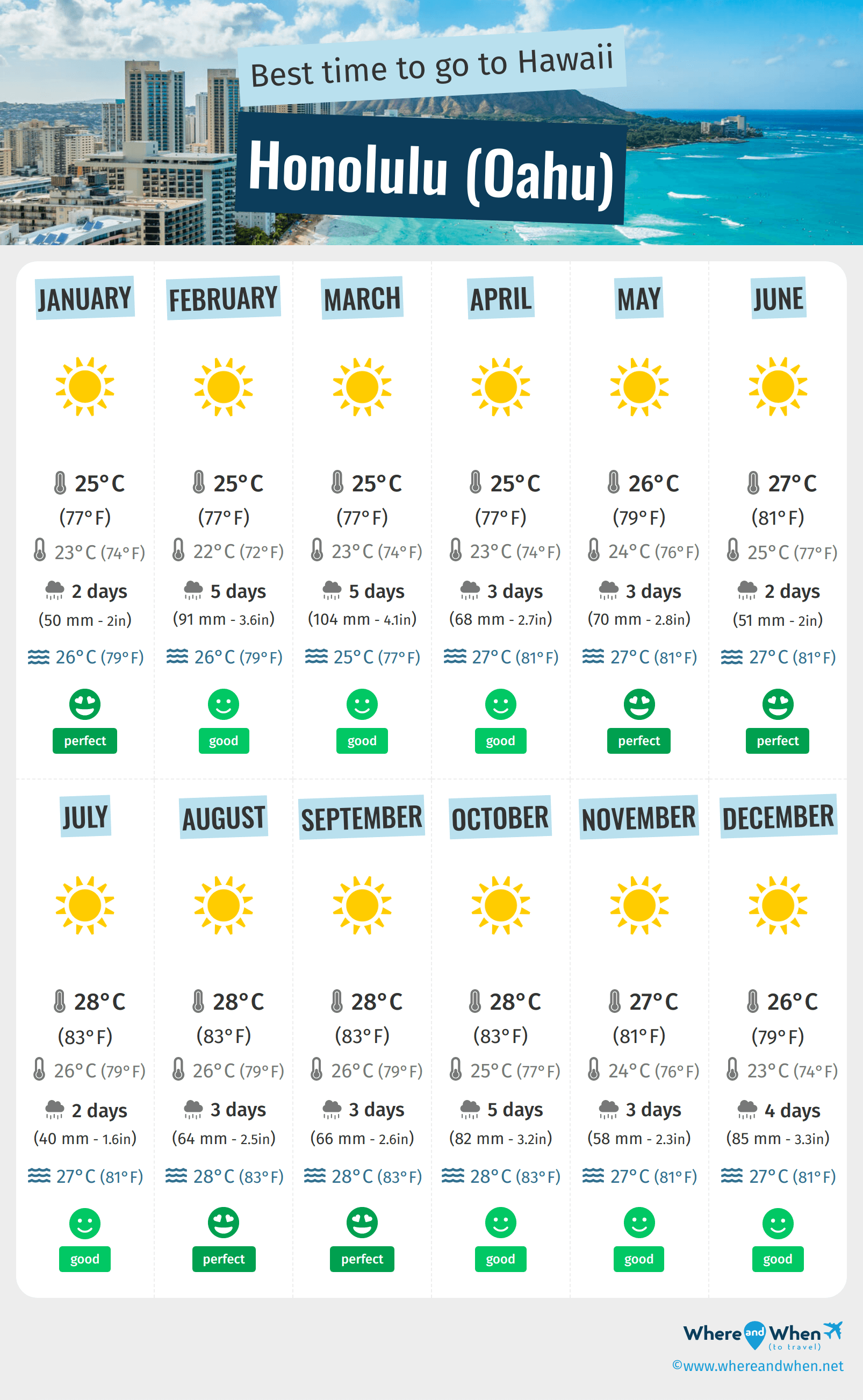
The dry season is characterized by consistent sunshine, warmer ocean temperatures, and trade winds that offer a welcome reprieve from the tropical humidity. During these months, the islands are at their most predictable regarding weather, making it the most popular time for visitors.
If you are planning to visit Oahu or Maui for snorkeling, diving, or hiking the ridgelines, the dry season offers the clearest visibility and the most reliable trail conditions. The waters of Hanauma Bay are particularly inviting during these months, as the surf remains relatively calm, providing optimal visibility for exploring the protected coral reefs.
The Wet Season (November to March)
The wet season does not mean constant rain. Instead, it typically manifests as short, refreshing sun-showers that move quickly across the volcanic peaks. While the North Shores of the islands experience increased wave energy and frequent rainfall, the leeward sides, such as Kona on the Big Island, often remain sunny and dry. This season is favored by those who prefer lush, vibrant landscapes and the spectacular, crashing waves that define the spirit of the Pacific.
The Prime Window for Whale Watching and Surf Culture
One of the most compelling reasons to visit Hawaii during the transition between late autumn and early spring is the arrival of the North Pacific humpback whales.
Witnessing the Humpback Migration
From December through April, the warm, shallow waters surrounding the Hawaiian Islands become a sanctuary for breeding, birthing, and nursing. Taking a catamaran excursion from Lahaina or Waikiki during this window is a bucket-list experience. February and March represent the peak of the season, providing the highest probability of sightings.
The North Shore Surf Spectacle
If you are an admirer of professional-grade surf, visiting Oahu between November and February is unmatched. The famous Banzai Pipeline and Waimea Bay come alive as massive winter swells barrel toward the coast. While these waters are dangerous for the uninitiated, watching the world’s best surfers tackle these iconic waves from the safety of the sand is an essential aspect of Hawaiian culture.

Navigating Peak Crowds and Budget Considerations
When planning your itinerary, the distinction between high and shoulder seasons can significantly impact both your experience and your travel budget.
Shoulder Seasons: The Sweet Spot
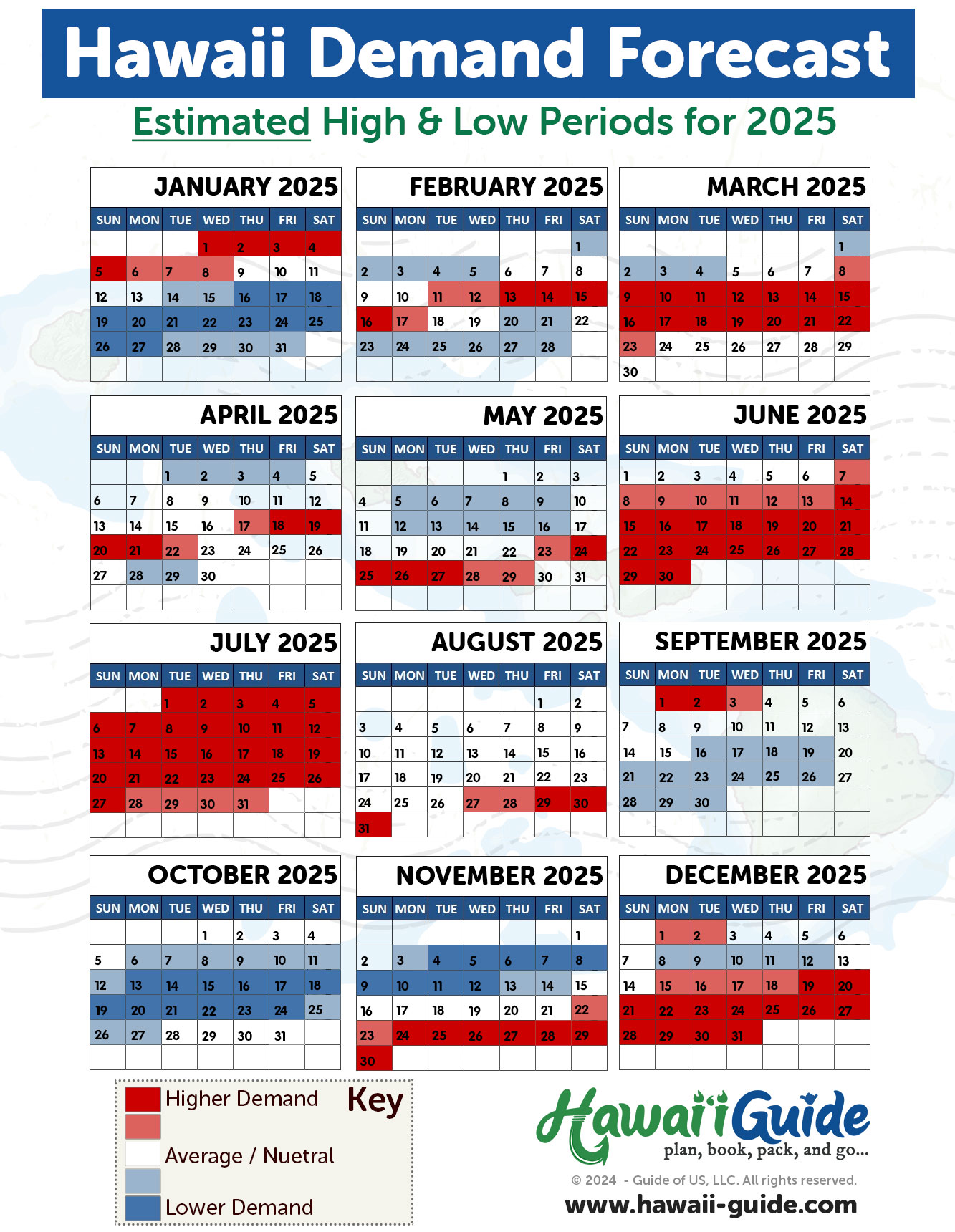
The periods of mid-April to early June and September to mid-December are widely considered the best times to visit for those who prefer thinner crowds and more competitive pricing. During these windows, the weather remains pleasant, and you are less likely to encounter the peak congestion found during summer vacations or the winter holidays.
- Spring (Late April to Early June): Temperatures are comfortable, and the spring blooms are in full effect, particularly in the botanical gardens of Kauai.
- Autumn (September to Mid-December): The ocean is still warm from the summer months, and the rush of family travel has dissipated. This is arguably the best time to explore the Na Pali Coast or hike through the lush terrain of Haleakala National Park.
Avoiding Peak Periods
To ensure a more tranquil vacation, it is advisable to avoid the busiest travel periods:
- Late December to Early January: The holiday season brings an influx of visitors seeking an escape from winter, resulting in higher prices and limited availability.
- June to August: Summer break aligns with peak family travel. While the weather is beautiful, popular attractions such as the Pearl Harbor National Memorial and Diamond Head State Monument will experience significant foot traffic.
Choosing Your Island and Timing Your Arrival
Each island in Hawaii possesses a unique microclimate and atmosphere that should influence your choice of timing.
Exploring the Big Island
The Big Island is unique due to its sheer diversity of ecosystems. You can experience a tropical rainforest in the morning and volcanic landscapes at Hawaii Volcanoes National Park in the afternoon. Because of this, the weather is less of a deciding factor here than on smaller islands. If you are focused on stargazing at Mauna Kea, the drier summer months offer the clearest skies.
The Lush Beauty of Kauai
Often called the “Garden Isle,” Kauai receives more rainfall than the other islands, which is exactly what keeps it so emerald and vibrant. Visiting during the drier window of June to August ensures that helicopter tours over Waimea Canyon have the best chance of unobstructed views, though the island is stunning regardless of the occasional drizzle.
The Vibrant Energy of Oahu
Oahu provides the perfect blend of urban excitement and natural wonder. If your trip involves significant time in Honolulu, the timing matters less, as there is always a bounty of museums, shopping, and dining options. However, if you plan to balance city life with surfing and swimming at Lanikai Beach, scheduling your trip for the shoulder months allows you to enjoy the sand without the midday crowd density.
Ultimately, the best season to visit Hawaii is a personal choice dictated by your goals. If you prioritize consistent sun, aim for the summer months. If you seek the magic of whale watching and the raw power of the ocean, the winter months will reward you with unforgettable sights. For those looking for the perfect harmony of affordability, temperate weather, and access to the islands’ most famous landmarks, the shoulder seasons stand out as the premier choice for an island getaway.
LifeOutOfTheBox is a participant in the Amazon Services LLC Associates Program, an affiliate advertising program designed to provide a means for sites to earn advertising fees by advertising and linking to Amazon.com. Amazon, the Amazon logo, AmazonSupply, and the AmazonSupply logo are trademarks of Amazon.com, Inc. or its affiliates. As an Amazon Associate we earn affiliate commissions from qualifying purchases.