
Standing as the undisputed monarch of the Northeast United States, Mount Washington commands the horizon of the White Mountains. For generations, explorers, hikers, and weather enthusiasts have looked toward this formidable peak, captivated by its rugged silhouette and its reputation for harboring some of the most volatile meteorological conditions on the planet. To answer the fundamental question of its stature, Mount Washington reaches an elevation of 6,288 feet (1,917 meters) above sea level. While this number places it firmly as the highest point in New Hampshire and the entire New England region, the sheer height is only a fraction of the story that defines this legendary landmark.

A Geographical Titan of the Presidential Range
The prominence of Mount Washington is bolstered by its position as the centerpiece of the Presidential Range. It is surrounded by a cluster of other high peaks—Mount Adams, Mount Jefferson, Mount Monroe, and Mount Madison—each adding to the majestic profile of the landscape. Because of its significant elevation, the mountain creates a dramatic visual impact that belies its relatively modest height when compared to the giants of the Rocky Mountains or the Sierra Nevada.
Vertical Rise and Topographic Prominence
The climb to the summit of Mount Washington is often described as deceptive. Hikers beginning their ascent from the Pinkham Notch base find themselves navigating a vertical gain that requires genuine physical endurance. Unlike mountain ranges where high-altitude starts are common, the base elevations in the White Mountains are relatively low, meaning that the full 6,288-foot elevation is experienced as a profound change in ecosystem, temperature, and atmospheric pressure.
The Significance of the Alpine Zone
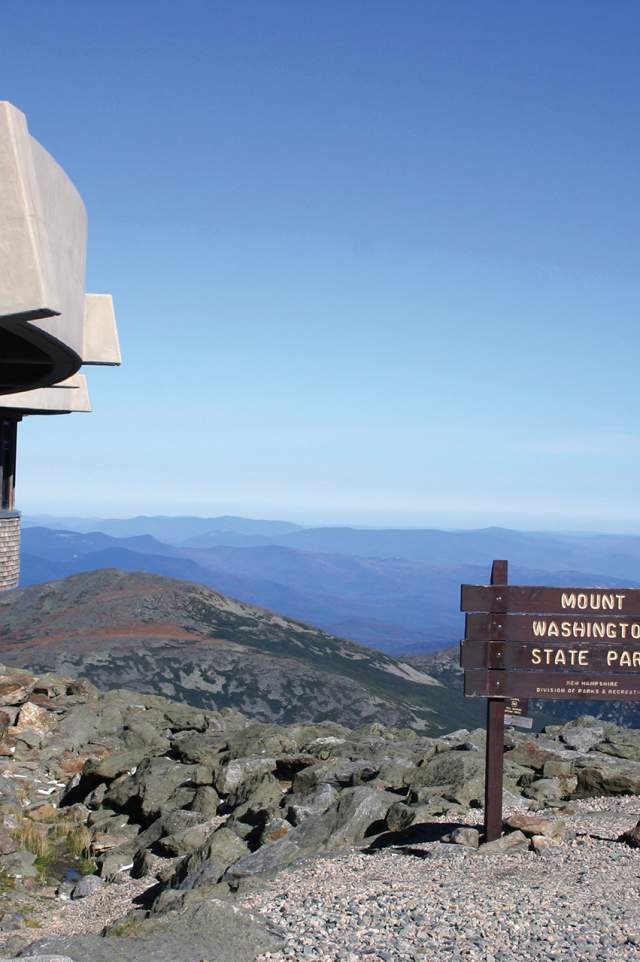
As travelers approach the 5,000-foot mark, the forest gives way to the “Krummholz”—stunted, wind-blown trees—and eventually to the rugged, rock-strewn alpine zone. This high-altitude tundra, which is home to rare plant species found nowhere else in the world, is a direct result of the mountain’s height and its exposure to the fierce winds of the Atlantic Ocean and the Great Lakes storm tracks.
The Observatory and the Science of Altitude
At the very peak of Mount Washington, Mount Washington Observatory has monitored the atmosphere for nearly a century. The height of the mountain is not just a geographic statistic; it is a vital laboratory for understanding the intersection of jet streams and mountainous topography. The observatory has become a global icon, largely due to its historic record of recording wind speeds that once topped 231 miles per hour—a world record held for decades.

Living on the Edge of the Clouds
The crew stationed at Mount Washington Observatory experiences the reality of the 6,288-foot elevation every single day. For them, the height translates into long, sub-zero winters and a climate that mirrors the environment of northern Canada or Greenland. Visitors who make the trek to the summit via the Mount Washington Cog Railway or the Mount Washington Auto Road are often surprised to find that even on the warmest summer days, the summit remains cool, windy, and enveloped in shifting cloud cover.
Historical Perspective of the Summit
The elevation of Mount Washington has drawn human ambition for centuries. Long before the modern White Mountain National Forest was established, indigenous populations revered the peak as a place of spiritual significance. Later, the 19th-century boom of grand hotels, such as the historic Mount Washington Hotel in Bretton Woods, sought to capitalize on the prestige and views associated with this soaring height. The mountain essentially birthed the tourism industry in the region, serving as a beacon for travelers seeking the sublime experience of standing atop the Northeast.
Navigating to the Top: Approaches and Experiences
Reaching the summit of Mount Washington is an experience that varies significantly depending on the mode of transport. The physical height dictates the challenge, and the methods to ascend vary from high-intensity mountaineering to leisurely scenic drives.
The Human-Powered Approach
For avid hikers, the Tuckerman Ravine Trail remains the most iconic route. This trail pushes the limits of human endurance as it climbs from the Pinkham Notch Visitor Center directly into the heart of the ravine, a massive glacial cirque that serves as the gateway to the summit. The feeling of finally cresting the peak and seeing the State of New Hampshire unfurl beneath you at 6,288 feet is a rite of passage for outdoor enthusiasts.
Mechanical Ascents
If you prefer to witness the altitude without the grueling hike, the Mount Washington Cog Railway offers a unique mechanical marvel. This historic rack-and-pinion railroad has been transporting passengers to the summit since 1869. As the train climbs the steep gradients, passengers observe the transition of life zones—a real-time lesson in geography that clearly demonstrates why the height of Mount Washington is so unique in the Eastern United States. Similarly, the Mount Washington Auto Road allows for a scenic drive that follows the eastern ridge, providing jaw-dropping vistas of the Androscoggin Valley and beyond.
Essential Tips for Visiting High Altitudes
Visiting a mountain of this height requires preparation, regardless of how you ascend:
- Layering is Critical: The temperature at the summit is frequently 20 to 30 degrees Fahrenheit colder than it is at the base. Always bring a windproof jacket.
- Monitor the Weather: Conditions on Mount Washington change rapidly. Check with the Mount Washington Observatory before making plans.
- Respect the Environment: The summit is a fragile place. Stay on marked paths to protect the rare alpine vegetation that thrives in the extreme conditions of this elevation.
- Stay Hydrated and Nourished: Even if you aren’t hiking, the thin air at nearly 6,300 feet can catch visitors off guard. Bring plenty of water and snacks for your time at the top.
The height of Mount Washington is not just a number on a map; it is an invitation to explore the raw power of nature. From the Presidential Range peaks that surround it to the historic structures that crown its summit, the mountain remains an enduring symbol of the American landscape. Whether you view it from the comfort of a hotel room in North Conway or stand directly upon its wind-swept rocks, the 6,288-foot peak offers a perspective on the world that few other places can match.
LifeOutOfTheBox is a participant in the Amazon Services LLC Associates Program, an affiliate advertising program designed to provide a means for sites to earn advertising fees by advertising and linking to Amazon.com. Amazon, the Amazon logo, AmazonSupply, and the AmazonSupply logo are trademarks of Amazon.com, Inc. or its affiliates. As an Amazon Associate we earn affiliate commissions from qualifying purchases.