
For many visitors and even long-term residents, the administrative geography of New York City can be a source of persistent confusion. While the world recognizes the metropolis simply as “New York,” the legal and structural reality is defined by five distinct counties, or boroughs. The County of New York is specifically coterminous with the borough of Manhattan. Understanding this distinction is essential for anyone looking to navigate the legal, historical, and cultural landscape of the most famous island in the United States.
The Geographical and Political Identity of New York County
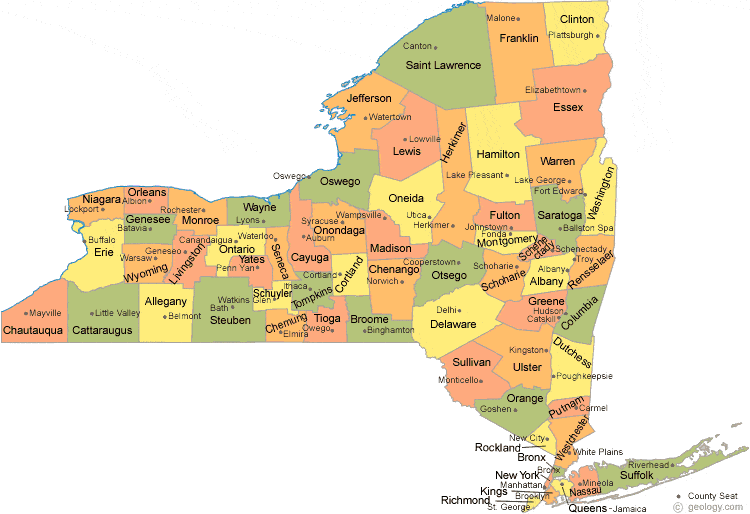
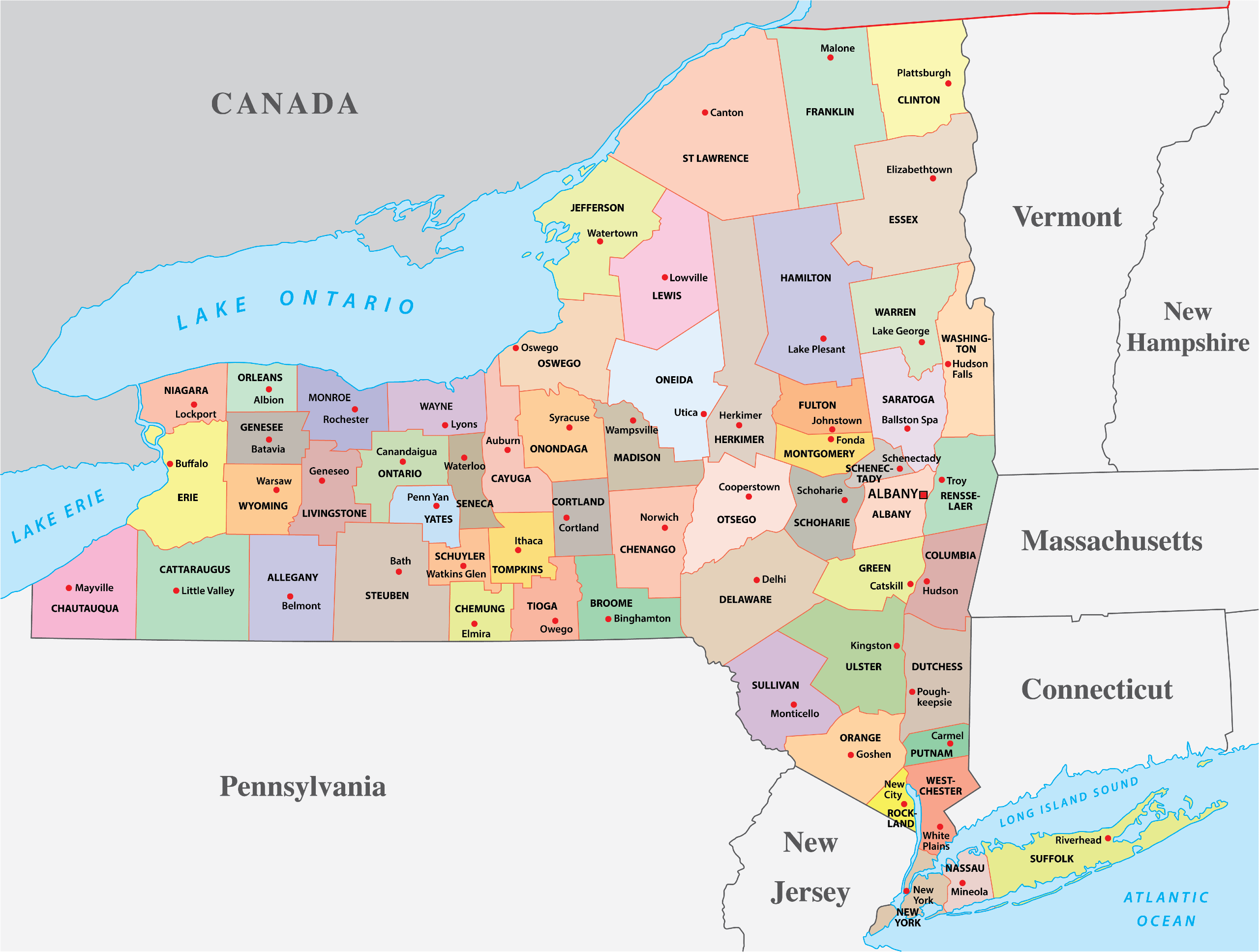
To understand New York County, one must first look at how the city is organized. New York State divides its territory into counties, and New York City is unique in that it encompasses five of them within its municipal borders. When people refer to New York County, they are strictly referring to the landmass that comprises Manhattan.
Defining the Boundaries
The borders of New York County are defined by water on almost every side. It is bounded by the Hudson River to the west, the East River to the east, and the Harlem River to the north. While the island of Manhattan is the primary component of the county, it also includes Roosevelt Island, Randalls Island, Wards Island, and the small but famous Marble Hill—a curious piece of land that is physically attached to the Bronx but remains legally part of New York County.
The Relationship Between Boroughs and Counties
While the term “borough” is used for the daily operations of city government, “county” remains the designation for state-level judicial and administrative purposes. New York County functions as the seat of various state courts and historical records. Unlike the other four counties—Kings County (Brooklyn), Queens County, Bronx County, and Richmond County (Staten Island)—New York County is almost exclusively urban, serving as the central hub of global finance, media, and culture.
A Historical Perspective on the County
The history of New York County is inextricably linked to the transformation of a small colonial outpost into a global superpower. Established as one of the original twelve counties of the Province of New York in 1683, its identity has shifted through centuries of development, territorial disputes, and architectural evolution.
From Colonial Origins to Modern Metropolis
In its early days, the county covered only the southern tip of the island, known then as New Amsterdam. As the city grew, the county boundaries expanded to cover the entirety of Manhattan. Throughout the 19th and 20th centuries, the development of massive infrastructure projects—such as the construction of the Brooklyn Bridge and the expansion of the New York City Subway—cemented the county’s role as the primary engine of the region’s economy.
Preservation and Landmarks
Because New York County holds the highest concentration of historical significance, it is home to some of the most iconic landmarks in the world. From the historic brownstones of Greenwich Village to the towering skyscrapers of Midtown Manhattan, the physical landscape of the county acts as a living museum. Preserving this history while accommodating the rapid pace of development remains a defining challenge for the county’s local government and community boards.
Navigating the Cultural Landscape of Manhattan
Living in or visiting New York County offers an experience distinct from the other four boroughs. The density of cultural institutions, theaters, and parks within the county limits is unparalleled, making it the primary destination for tourists from around the globe.
The Epicenter of Global Tourism
Visitors to the county often find themselves overwhelmed by the sheer scale of attractions available. Whether one is exploring the vast green space of Central Park, attending a performance in the Theater District, or admiring the art collections at the Metropolitan Museum of Art, the county serves as the beating heart of tourism in the Northeast.
Essential Tips for Exploring New York County
For those seeking to navigate this dense urban environment, understanding the grid system is paramount. The layout, established by the Commissioners’ Plan of 1811, makes Manhattan one of the most navigable large cities in the world. However, beyond the grid, the county offers diverse neighborhoods that require local knowledge to truly appreciate:
- The Financial District: Home to Wall Street and the World Trade Center, this area showcases the history of global commerce.
- Upper West Side: Known for its cultural prestige, including Lincoln Center and proximity to the American Museum of Natural History.
- Harlem: A historic center of African American culture, music, and art, featuring the legendary Apollo Theater.
- SoHo: Renowned for its cast-iron architecture and high-end shopping, representing the artistic evolution of the county’s industrial past.
The Administrative Importance of New York County
While the casual observer views the county through the lens of leisure and tourism, its administrative functions are critical to the state. The New York County District Attorney’s office, for example, is one of the most high-profile legal offices in the country. Similarly, the county courthouse system handles cases that often set precedents for the rest of the nation.
Legal and Civic Structures
Unlike municipalities that have a singular mayor-council structure, New York County maintains a clerk’s office and legal infrastructure that separates it from the other boroughs. This creates a unique dual-governance situation where residents are subject to the citywide policies of the New York City Mayor and the New York City Council, while simultaneously interacting with county-level judicial systems.
Future Development and Sustainability
As the county moves further into the 21st century, the focus has shifted toward sustainability and modernization. Projects such as The High Line have redefined how urban space can be repurposed, turning an old freight rail line into a globally recognized park. Efforts to mitigate the effects of climate change, particularly along the vulnerable coastlines of the Lower Manhattan district, are currently among the most ambitious engineering feats in the world.

Conclusion
New York County is far more than just a bureaucratic label or a statistical division. It is the defining nucleus of the city, a place where history, law, culture, and commerce collide. Whether you are walking through the bustling intersections of Times Square or enjoying the quiet paths of Riverside Park, you are experiencing the unique identity of a county that serves as the gateway to America. By recognizing the distinction between New York County and the broader city, visitors and residents alike gain a deeper appreciation for the complex, layered history that makes Manhattan the most recognizable island on the planet.
LifeOutOfTheBox is a participant in the Amazon Services LLC Associates Program, an affiliate advertising program designed to provide a means for sites to earn advertising fees by advertising and linking to Amazon.com. Amazon, the Amazon logo, AmazonSupply, and the AmazonSupply logo are trademarks of Amazon.com, Inc. or its affiliates. As an Amazon Associate we earn affiliate commissions from qualifying purchases.