
The rugged coastline of Maine is a crown jewel of the United States, drawing millions of visitors each year to its granite shores, historic lighthouses, and iconic fishing villages. From the bustling streets of Portland to the serene hiking trails of Acadia National Park, the state offers an unparalleled maritime experience. However, as travelers pull on their wetsuits or wade into the chilly Atlantic waters, a common question often arises: are the waters safe from venomous marine life? Understanding the reality of jellyfish in this region is essential for anyone planning a coastal adventure.
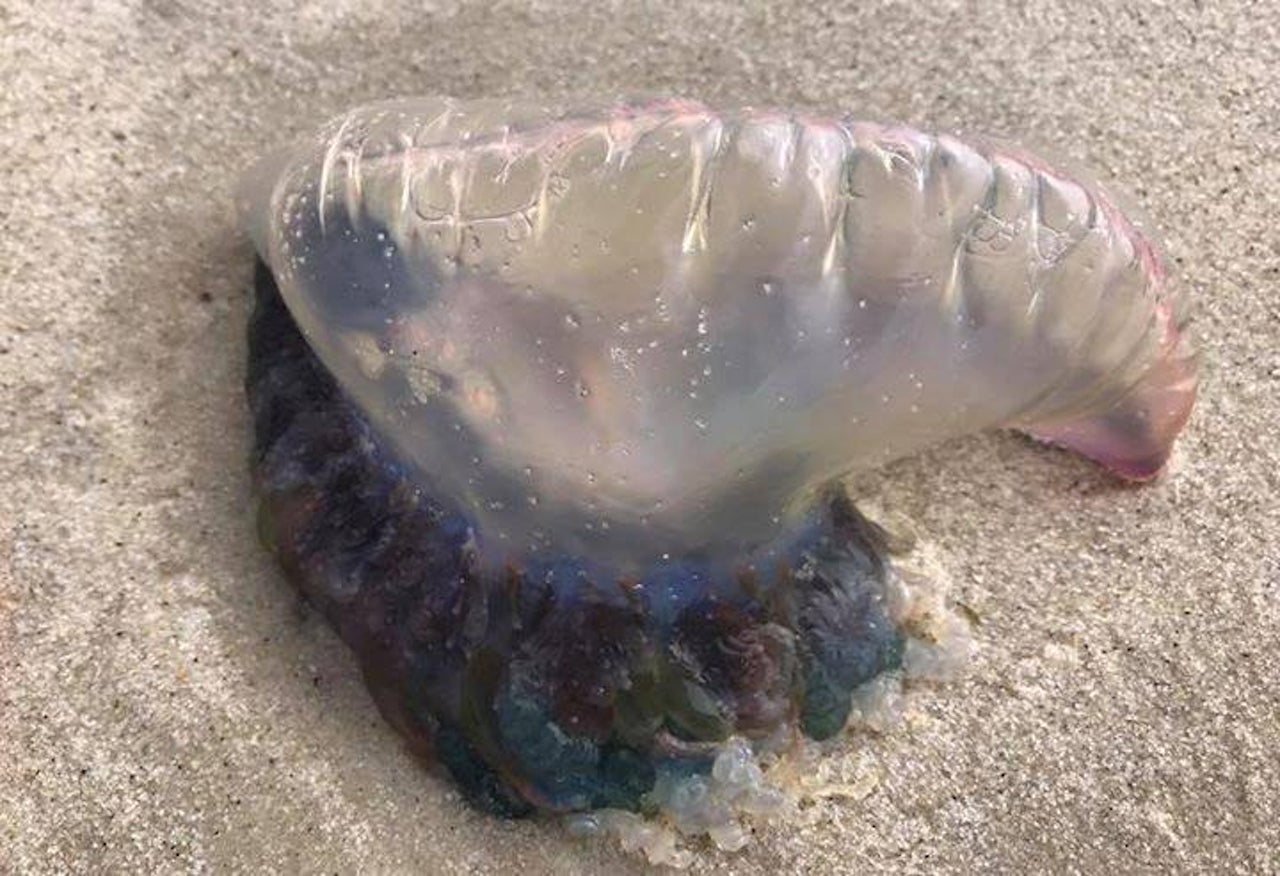
Understanding the Marine Environment of the Gulf of Maine
The waters surrounding Maine are part of the Gulf of Maine, a cold-water ecosystem defined by its nutrient-rich currents and significant tidal range. Unlike the warm, tropical waters of Florida or the Caribbean, where box jellyfish and other highly venomous species thrive, the environment here is far less hospitable to dangerous stinging cnidarians.
Water Temperature as a Natural Barrier
The primary reason Maine does not harbor the infamous, life-threatening jellyfish found elsewhere is the temperature. The Atlantic Ocean along the northern New England coast remains quite cold, even during the peak of summer. Most highly venomous jellyfish species are adapted to tropical or subtropical climates, where their biological processes can function optimally. The frigid, nutrient-dense waters of New England act as a natural physiological barrier, limiting the diversity of species that can survive and reproduce here.
Common Jellyfish Species in Northern Waters
While the water keeps the deadliest predators away, it does not mean the ocean is devoid of life. Swimmers and beachgoers often encounter several species that are native to the region:
- Lion’s Mane Jellyfish: The most common large jellyfish found in Maine. They can grow quite large, with bell diameters reaching several feet.
- Moon Jellyfish: These are typically smaller and translucent, often found in shallow bays and inlets.
- Sea Walnuts (Comb Jellies): Technically not true jellyfish, these creatures are harmless and do not sting at all, though their appearance can startle swimmers.
Addressing the Lion’s Mane Jellyfish Stings
The Lion’s Mane Jellyfish is the subject of most concern for local swimmers. As the largest known species of jellyfish, it is a magnificent creature, often appearing as a dark reddish-brown mass in the water. While they are not considered “poisonous” in the sense that they are fatal to humans, they are certainly “venomous.”
The Reality of the Sting
The tentacles of a Lion’s Mane contain thousands of nematocysts—small, spring-loaded structures that inject venom upon contact. If you accidentally brush against one, you will feel an immediate, stinging sensation. For most individuals, this results in localized pain, redness, and mild swelling. It is akin to a severe bee sting or a mild burn. While uncomfortable, it is rarely a medical emergency for a healthy adult.

When to Seek Medical Attention
Despite the low risk, there are specific scenarios where a jellyfish sting in Maine warrants professional care. If a swimmer shows signs of an allergic reaction—such as difficulty breathing, swelling of the throat, nausea, or dizziness—emergency services should be contacted immediately. Furthermore, if a large area of the body is affected by the tentacles, the cumulative effect of the venom can lead to more significant systemic discomfort.
Best Practices for Ocean Safety in Maine
Safety in the water is a priority for any trip, whether you are visiting Old Orchard Beach or exploring the rocky coves near Bar Harbor. By following basic guidelines, you can minimize the risk of unpleasant encounters and fully enjoy your time on the coast.
Protective Gear and Awareness
For those who plan on spending significant time in the water, such as surfers or long-distance swimmers, wearing a wetsuit provides an excellent layer of protection. Not only does it help regulate body temperature in the cold Gulf of Maine, but it also covers most of the skin, making it nearly impossible for a jellyfish tentacle to make contact.
Additionally, always scan the water before diving in. Jellyfish, particularly the Lion’s Mane Jellyfish, are often visible from the surface. If you see them, it is best to move to a different area of the beach.
First Aid Tips for Jellyfish Stings
If you or a companion are stung, the goal is to neutralize the remaining nematocysts and alleviate pain. Contrary to popular urban myths, you should not use fresh water, as it can trigger the release of more venom from the stinging cells. Instead:
- Rinse with Seawater: Use the surrounding salt water to gently flush the affected area.
- Remove Tentacles: Use tweezers or a gloved hand to carefully remove any visible tentacles that remain on the skin.
- Apply Heat: Soaking the affected area in hot water (not scalding) for 20 to 40 minutes can break down the proteins in the jellyfish venom and provide significant pain relief.
- Monitor the Area: Keep an eye on the sting site for signs of infection or severe reaction over the next 24 hours.

Enjoying the Natural Beauty of the Coast
Maine remains one of the safest and most beautiful places in the United States to enjoy coastal activities. The presence of jellyfish is a natural part of the Atlantic Ocean ecosystem, and they play a vital role in the food web of the Gulf of Maine. While it is wise to be aware of your surroundings, there is no reason for fear to dictate your travel plans.
Whether you are whale watching off the coast of Boothbay Harbor or taking a dip in the pristine waters near Kennebunkport, the risk of encountering a life-threatening jellyfish is statistically negligible. By understanding that these creatures are merely part of the maritime landscape, travelers can focus on what truly matters: the crisp New England air, the taste of local lobster, and the breathtaking views that have made this region a world-class destination for generations.
Prepare for your journey by checking local reports, listening to the advice of lifeguards at popular beaches, and respecting the ocean. Maine offers a unique connection to nature that is both refreshing and invigorating, provided you approach it with the knowledge and respect that the rugged coastline deserves. Rest assured, your swim in the Atlantic Ocean will be defined by the beauty of the United States eastern seaboard, not by dangerous encounters.
LifeOutOfTheBox is a participant in the Amazon Services LLC Associates Program, an affiliate advertising program designed to provide a means for sites to earn advertising fees by advertising and linking to Amazon.com. Amazon, the Amazon logo, AmazonSupply, and the AmazonSupply logo are trademarks of Amazon.com, Inc. or its affiliates. As an Amazon Associate we earn affiliate commissions from qualifying purchases.