
When planning a visit to the Granite State, understanding its demographic landscape provides a unique layer of appreciation for the region. As of the most recent census data and subsequent projections, the population of New Hampshire hovers at approximately 1.4 million residents. While this figure might seem modest compared to the sprawling metropolises of Massachusetts or New York, the distribution of these citizens across the state’s rugged geography creates a distinct atmosphere that defines the New England experience. For travelers and tourists alike, this population density—or lack thereof—is precisely what makes the state an alluring destination for those seeking tranquility, historical charm, and outdoor adventure.
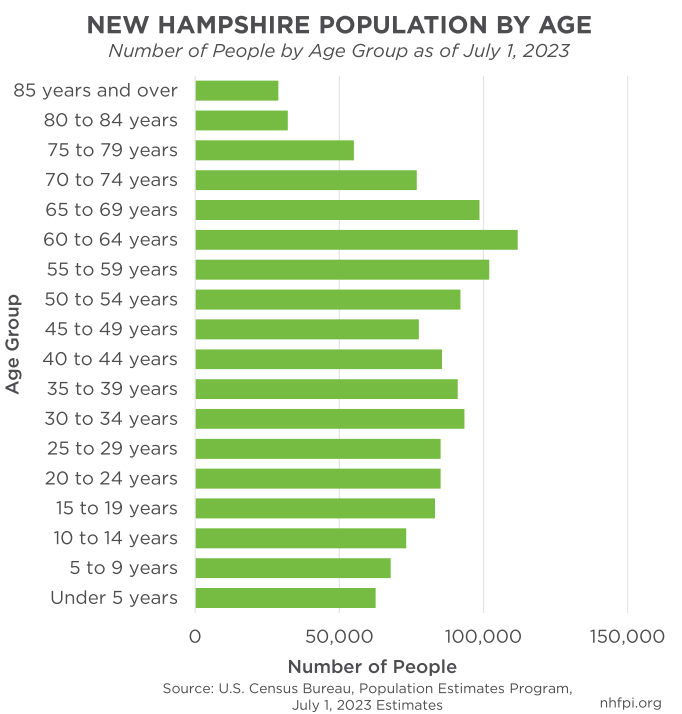
The Distribution of Residents and Tourist Density
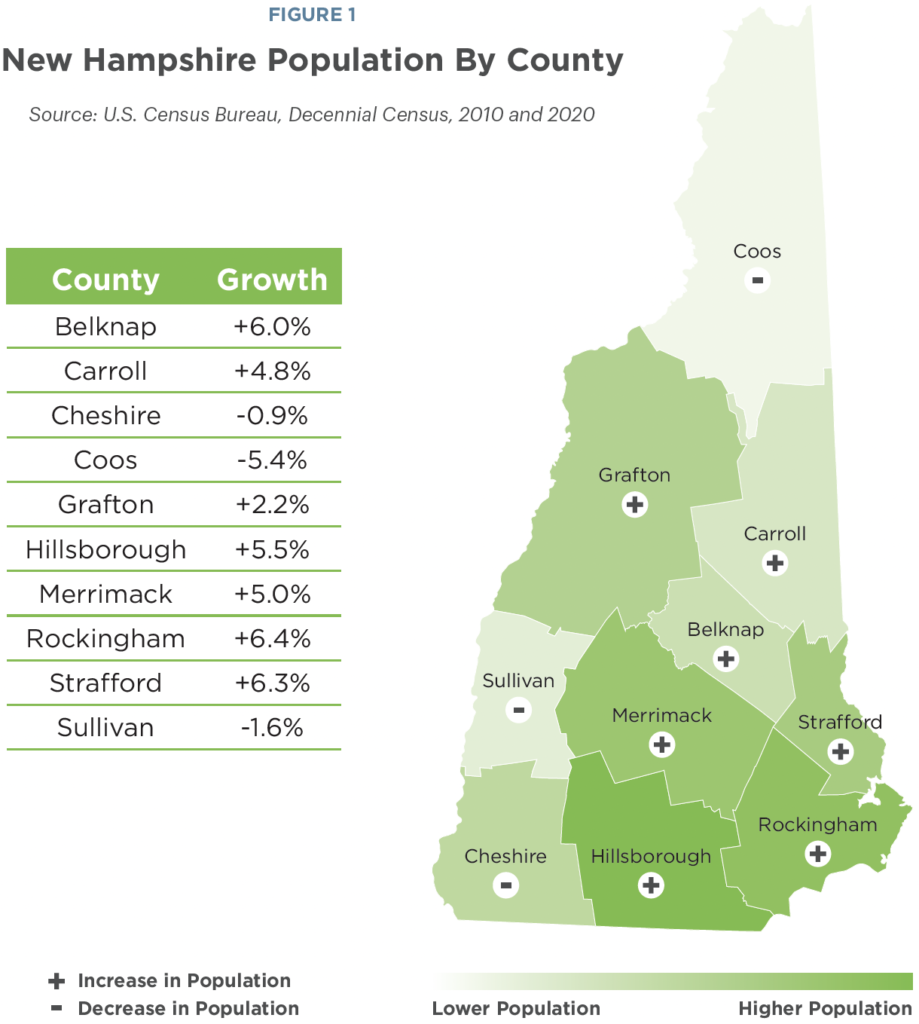
The human geography of New Hampshire is heavily concentrated in the southern tier, while the northern regions remain sparsely populated, offering vast wilderness areas that are the hallmark of New England tourism. Understanding how the population centers interact with the state’s natural attractions allows visitors to better plan their excursions.
The Southern Hubs and Urban Character
The majority of the population resides in cities like Manchester, Nashua, and the capital, Concord. These hubs offer a blend of historical architecture and modern amenities. When traveling through these areas, visitors will find a vibrant local culture that mirrors the growth of the United States. Because the population is dense here, these regions serve as the primary gateways for visitors flying into Manchester-Boston Regional Airport.
The Northern Wilderness and Low Density
As one travels north toward the White Mountains, the population drops significantly. Towns such as North Conway and Jackson rely heavily on tourism to supplement their permanent resident counts. This sparse population is a boon for the outdoor enthusiast. With fewer permanent residents, the land remains largely preserved for recreational use, making it an ideal spot for hiking, skiing, and scenic drives through the Kancamagus Highway.
Demographic Influence on Local Culture and Tourism
The demographic profile of a state significantly dictates its cultural offerings. New Hampshire possesses a long-standing tradition of independence and community, a sentiment that manifests in the types of tourist activities available to the public.
Preservation of Historical Significance
Because the population has grown steadily rather than explosively, many historic landmarks and sites have remained protected. The state’s history is intricately woven into the fabric of its towns. Places like Portsmouth exemplify this perfectly, where the population has carefully curated the Strawbery Banke Museum to reflect centuries of history. Visitors often find that the local pride, stemming from smaller community sizes, results in more personalized and authentic experiences in local restaurants, craft breweries, and artisan shops.
The Seasonal Shift in Population
A critical aspect for any visitor to consider is that the population of New Hampshire is dynamic. During the summer and autumn months, the influx of tourists creates a “seasonal population” that far outweighs the permanent census counts. This is particularly true in areas like Lake Winnipesaukee, where summer homes are filled with vacationers from across the country.
- Spring and Summer: The population swells in coastal towns like Hampton Beach, where the community shifts to a beach-oriented leisure lifestyle.
- Autumn: The “leaf-peeping” season brings a massive wave of visitors to the White Mountains, where the rural infrastructure is tested by the sheer volume of admirers of the fall foliage.
- Winter: Ski resorts like Loon Mountain and Bretton Woods become the focal points of the state, shifting the concentration of human activity toward the slopes.
Balancing Growth with Natural Beauty
The state’s leadership and the resident population have historically prioritized the preservation of nature, a philosophy often reflected in the state motto, “Live Free or Die.” For a tourist, this means that even with a growing population base, the state maintains a standard of environmental stewardship that keeps the landscape pristine.
Infrastructure and Sustainable Tourism
As the population of the state has seen a moderate uptick, particularly due to shifts in remote work culture, the tourism industry has had to adapt. This has led to better-maintained trail systems in Franconia Notch State Park and expanded visitor services in Mount Washington. The interaction between the local population and visitors is generally seamless, as the state’s economy is heavily dependent on the hospitality sector.
Why Small Populations Enhance the Visit
There is a specific allure to visiting a state with a relatively low population density. It allows for:
- Uninterrupted Landscapes: The ability to find solitude in nature is vastly easier here than in more densely populated states.
- Community-Centric Hospitality: In smaller towns, the service at local inns and bed-and-breakfasts is often delivered by long-term residents who provide a level of hospitality that is hard to find in larger urban centers.
- Safety and Accessibility: Smaller population centers are generally easier to navigate, making New Hampshire a premier destination for family-oriented road trips and stress-free getaways.
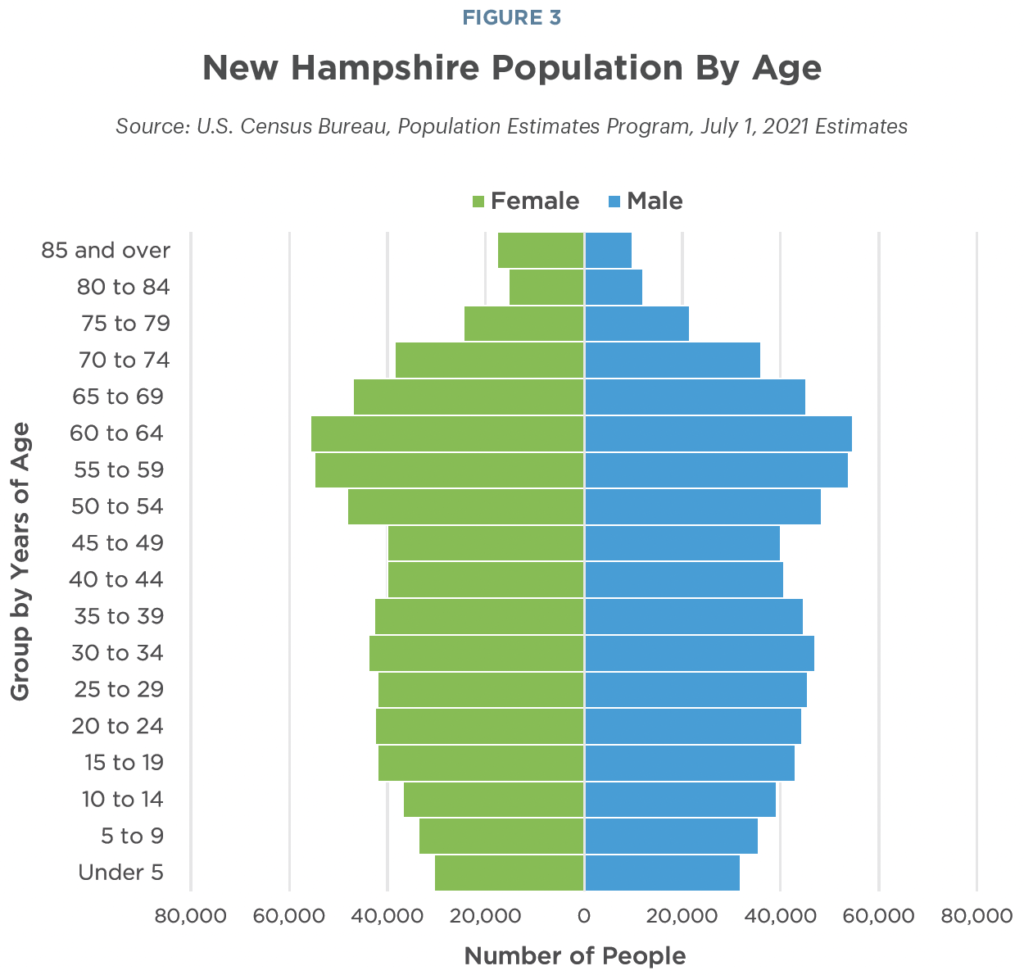
Planning Your Trip Based on Demographic Trends
When preparing for your visit, it is helpful to look at the state not just through numbers, but through the rhythm of its inhabitants. If you prefer the energy of a bustling, small-scale city, focusing your time on the Seacoast region or Manchester will provide plenty of cultural interaction. If your goal is to disconnect, heading into the northern territories where the population count drops below the threshold of typical urban life will grant you the peace you seek.
The permanent population of New Hampshire provides the bedrock for the culture you will encounter—resilient, proud, and welcoming. By understanding that this population is concentrated in a way that respects the vast, untamed beauty of the northern reaches, you can better navigate the state’s geography. Whether you are visiting the Currier Museum of Art or taking a cog railway journey up the highest peak in the Northeast, you are participating in a local ecosystem that balances its small size with a massive, vibrant spirit.
In conclusion, the population statistics of the state serve as a guide for what to expect during your travels. You will find that the modest density of the state is its greatest asset, ensuring that whether you are exploring the urban centers of the south or the rugged peaks of the north, you are never far from an authentic, crowd-free experience that defines the quintessential New England vacation.
LifeOutOfTheBox is a participant in the Amazon Services LLC Associates Program, an affiliate advertising program designed to provide a means for sites to earn advertising fees by advertising and linking to Amazon.com. Amazon, the Amazon logo, AmazonSupply, and the AmazonSupply logo are trademarks of Amazon.com, Inc. or its affiliates. As an Amazon Associate we earn affiliate commissions from qualifying purchases.