
In the intricate world of hospitality management, few documents are as central to the guest experience and the hotel’s operations as the folio. While the term might sound antiquated to a first-time traveler, it remains the backbone of financial transparency between a lodging establishment and its patrons. Whether you are staying at a boutique resort in Paris or a massive convention hotel in Las Vegas, your stay is defined by this continuous record of transactions. Understanding what a folio is, how it functions, and why it is essential can transform a confusing check-out process into a seamless professional interaction.
Understanding the Concept of a Hotel Folio
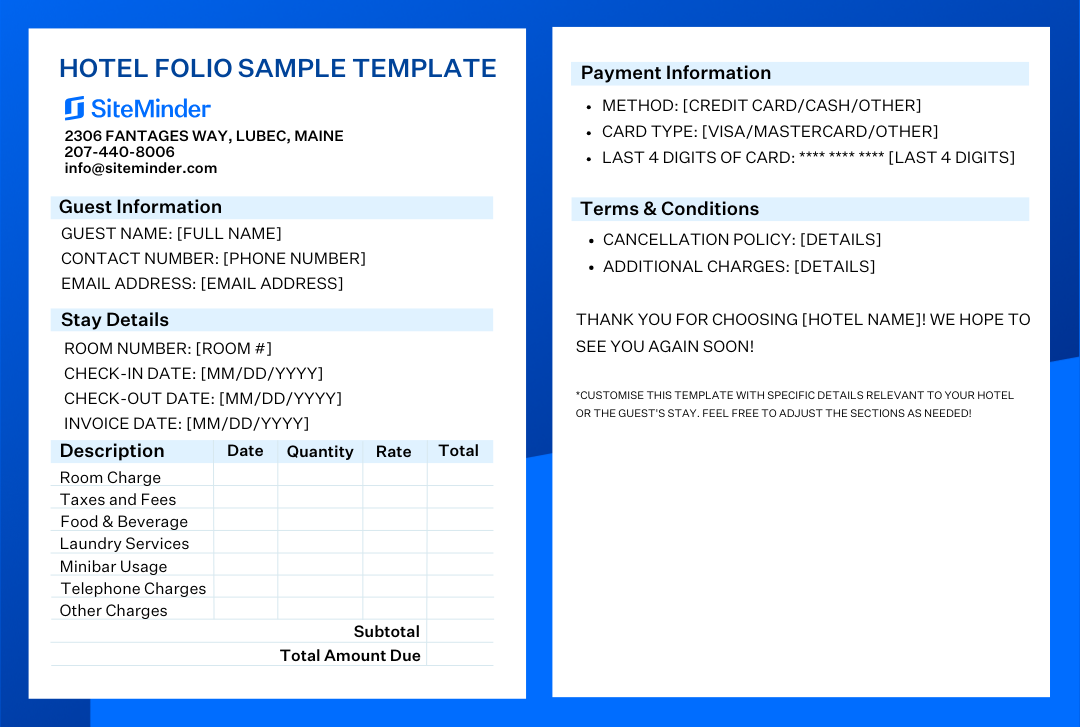
At its most fundamental level, a hotel folio is a statement of all transactions that occur between a guest and the hotel property. It acts as a running ledger that tracks debit and credit activity. From the moment a guest checks into a room at the Marriott in New York City until they hand back their key cards, every financial interaction is meticulously logged.
Defining the Statement of Account
A folio is often referred to as a “guest bill” or a “statement of account,” but it is more comprehensive than a simple receipt. A receipt is typically issued after a transaction is completed, whereas a folio is a “live” document that grows in complexity throughout the duration of a stay. It captures not only the room rate but also every ancillary service the guest utilizes. In luxury destinations like Dubai, where resorts such as the Burj Al Arab offer a wide array of personal butler services and private excursions, the folio serves as the definitive record that ensures all parties are in agreement regarding the costs incurred.
The Role of the Property Management System (PMS)
In the modern era, the creation and maintenance of a folio are handled by a Property Management System (PMS). This software is the operational heart of any hotel, from small inns in Italy to sprawling complexes like Marina Bay Sands in Singapore. When a guest swipes their credit card at the front desk, the PMS creates a unique folio linked to their reservation. Every time a charge is made—whether it is a dinner at the hotel restaurant or a spa treatment—the POS (Point of Sale) system communicates with the PMS to post that charge directly to the guest’s folio. This automation reduces human error and ensures that the front desk staff has an up-to-the-minute view of the guest’s balance.
The Anatomy of a Comprehensive Folio
A well-structured folio is divided into several logical sections to make it readable for both the guest and the accounting department. Transparency is key; a guest at The Savoy in London should be able to look at their statement and immediately identify which charge corresponds to which service.
Primary Charges: Room and Tax
The most prominent entries on any folio are the daily room rates. These are typically posted during the “night audit” process, which usually occurs between midnight and 4:00 AM. Along with the base rate, the folio will detail various taxes. In the United States, this might include state sales tax, local occupancy tax, and sometimes a “resort fee” if the property offers specific amenities like pool access or high-speed internet. In cities like Tokyo or Barcelona, there may be specific city-wide tourism levies that appear as separate line items on the folio.
Secondary Charges: Amenities and Incidentals
What often surprises guests at check-out are the incidental charges. These are the costs for items and services beyond the basic room price. Common examples include:
- Food and Beverage: Meals at on-site restaurants, drinks at the bar, or room service orders.
- Minibar: Snacks and beverages consumed from the in-room fridge.
- Communication and Business: High-speed internet (if not included), printing services, or international phone calls.
- Wellness: Spa treatments, massage sessions, or personal training at the gym.
- Transportation: Valet parking fees or airport shuttle services arranged through the concierge.
For a guest staying at the Beverly Hills Hotel, these incidentals can be significant, making it vital for the folio to clearly timestamp and categorize each entry.
Credits and Deposits
A folio is not just about charges; it also tracks payments. Any deposit made at the time of booking, such as a one-night stay deposit at a resort in Mexico, will appear as a credit. If a guest receives a “resort credit” as part of a promotional package at The Plaza Hotel, this will also be reflected as a negative balance that offsets future charges. When the final payment is processed at check-out, the total of all credits should equal the total of all debits, resulting in a zero balance.
Different Types of Folios for Every Stay
Hotels often deal with complex billing situations, requiring the use of different types of folios to manage the flow of money correctly. Depending on whether you are traveling for leisure in France or attending a corporate summit in Hong Kong, your billing might be split across multiple documents.
Individual Guest Folios
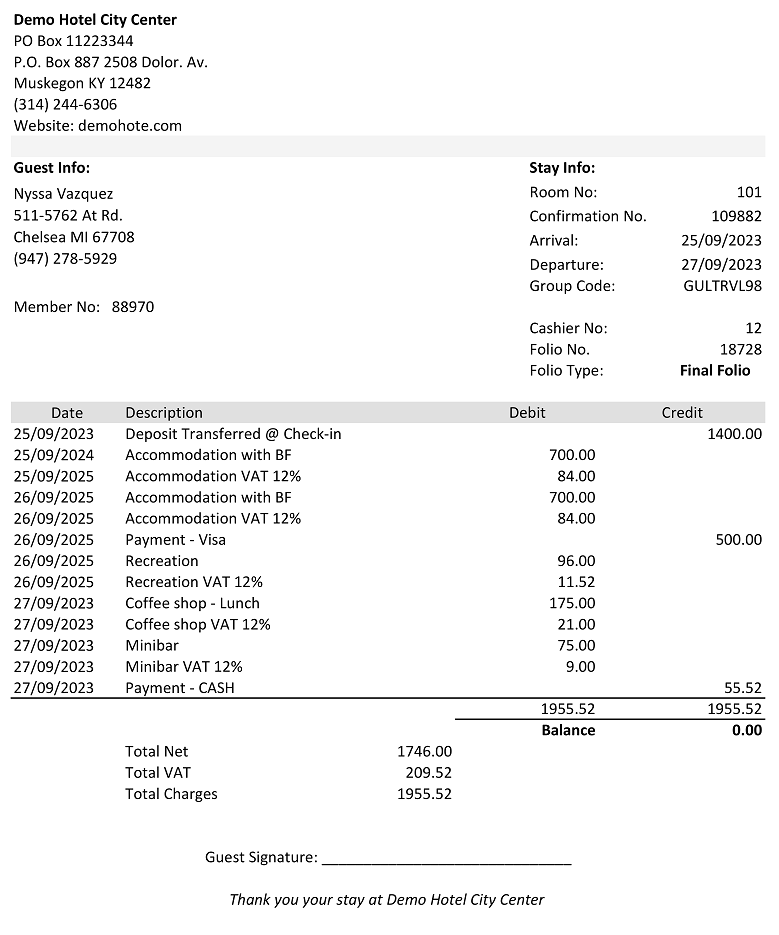
The standard guest folio is what most travelers are familiar with. It is assigned to a specific room or guest and tracks everything they personally consume. If a family is staying in multiple rooms at a Hilton property, the hotel might keep separate folios for each room or merge them into one primary guest folio for the head of the household.
Master Folios for Groups and Events
When a large organization hosts a conference or a wedding party at a venue like The Ritz-Carlton, the billing becomes more complicated. In these cases, a “Master Folio” is created. This folio aggregates all the “room and tax” charges for the entire group, which the organization pays directly. Meanwhile, individual guests within that group might still have their own personal folios for incidentals like room service or laundry. This ensures the corporate entity is not billed for a guest’s late-night snack, while the guest doesn’t have to worry about the cost of the suite itself.
Split Billing and Incidental Folios
Modern business travel often requires split billing. A consultant working in Sydney may need their company to pay for the room and breakfast, while they personally pay for any alcoholic beverages or movie rentals. The hotel PMS can split these charges into two separate folios automatically. This “Incidental Folio” is a sub-account that keeps business expenses clean and ready for reimbursement while keeping personal luxury costs separate.
The Lifecycle of a Folio: From Reservation to Archival
The folio is a living document that undergoes several stages. It mirrors the guest’s journey, providing a financial timeline of their interaction with the hotel brand.
Pre-arrival and Check-in Authorization
The folio’s life begins even before you step into the lobby. When you book a room at a Hyatt in Chicago, a shell folio is created. Upon check-in, the front desk clerk will “authorize” your credit card. This isn’t a charge but a “hold” on a specific amount of funds to cover the anticipated room cost plus a buffer for incidentals. This authorization is linked to your folio to ensure the hotel has a guaranteed method of payment as you begin to rack up charges.
Real-time Posting during the Stay
As the guest moves through the hotel, the folio is updated in real-time. If you enjoy a cocktail at a rooftop bar in Bangkok, the server will ask for your room number and name. Once they input this into their terminal, the charge is “posted” to your folio. This seamless integration allows guests to enjoy the property without carrying cash or cards, relying on the folio to aggregate their spending for a single final transaction.
The Check-out Process and Final Settlement
The final stage of the folio’s lifecycle is the settlement. During check-out, the guest is presented with a “Pro Forma” or “Draft Folio.” This is the moment to review every line item. Once the guest approves, the hotel “settles” the folio by charging the authorized credit card or accepting another form of payment. In many modern hotels, such as those in Germany, this can be done via a mobile app or a television interface, where the final folio is then emailed to the guest as a PDF.
Why Accuracy in Folio Management Matters
For both the hotelier and the traveler, the folio is a legal document. Errors can lead to lost revenue for the hotel or overcharging for the guest, both of which damage the relationship of trust that the hospitality industry relies upon.
Resolving Billing Discrepancies
Common discrepancies on a folio include “ghost charges” from the minibar or incorrect room service entries. These often occur due to mistyped room numbers at the point of sale. Because the folio provides a detailed timestamp, guests can easily dispute charges that occurred when they were out of the building. For instance, if a charge is posted for a spa treatment in Bali at 2:00 PM, but the guest can prove they were on a guided tour of Uluwatu Temple at that time, the front desk can quickly rectify the error.
Business Travel and Reimbursement
For the corporate traveler, a clear and accurate folio is non-negotiable. Travel departments in companies across Canada or Australia require itemized folios to distinguish between deductible business expenses and personal costs. Without an itemized folio from a stay at the Sheraton, a traveler might find it impossible to get their expenses approved.
Digital Folios and the Future of Hospitality
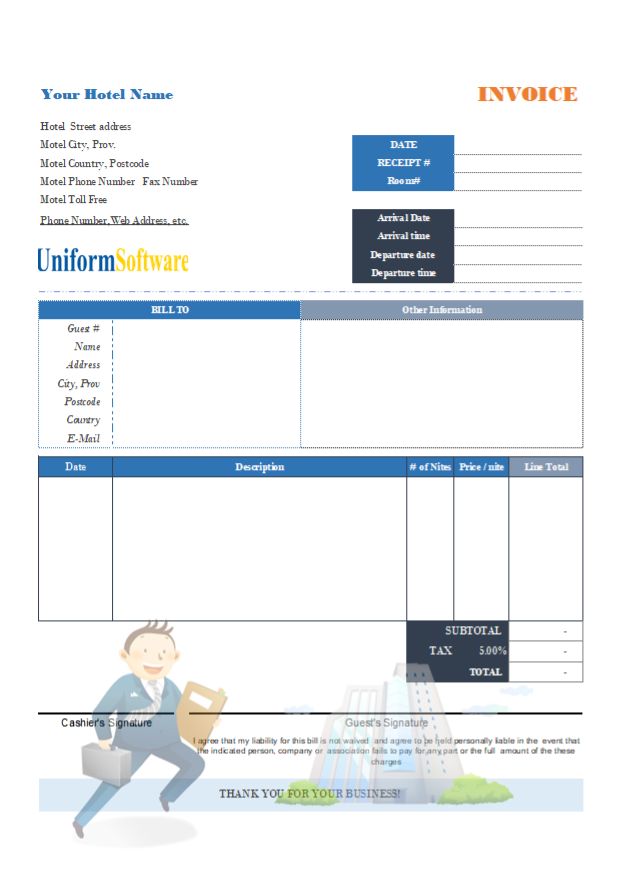
As we move toward a more sustainable and tech-driven future, the paper folio is becoming a relic of the past. Hotels in Sweden and other eco-conscious regions are leading the charge in digital-only folios. These are not only better for the environment but also allow for greater data security. Digital folios can be integrated with corporate expense management software like Concur, allowing a guest at the Four Seasons Hotel George V to have their bill automatically sent to their company’s accounting department the moment they check out. This evolution ensures that the hotel folio remains a relevant and vital tool in the global travel ecosystem, maintaining the balance between high-touch service and high-tech efficiency.
LifeOutOfTheBox is a participant in the Amazon Services LLC Associates Program, an affiliate advertising program designed to provide a means for sites to earn advertising fees by advertising and linking to Amazon.com. Amazon, the Amazon logo, AmazonSupply, and the AmazonSupply logo are trademarks of Amazon.com, Inc. or its affiliates. As an Amazon Associate we earn affiliate commissions from qualifying purchases.