
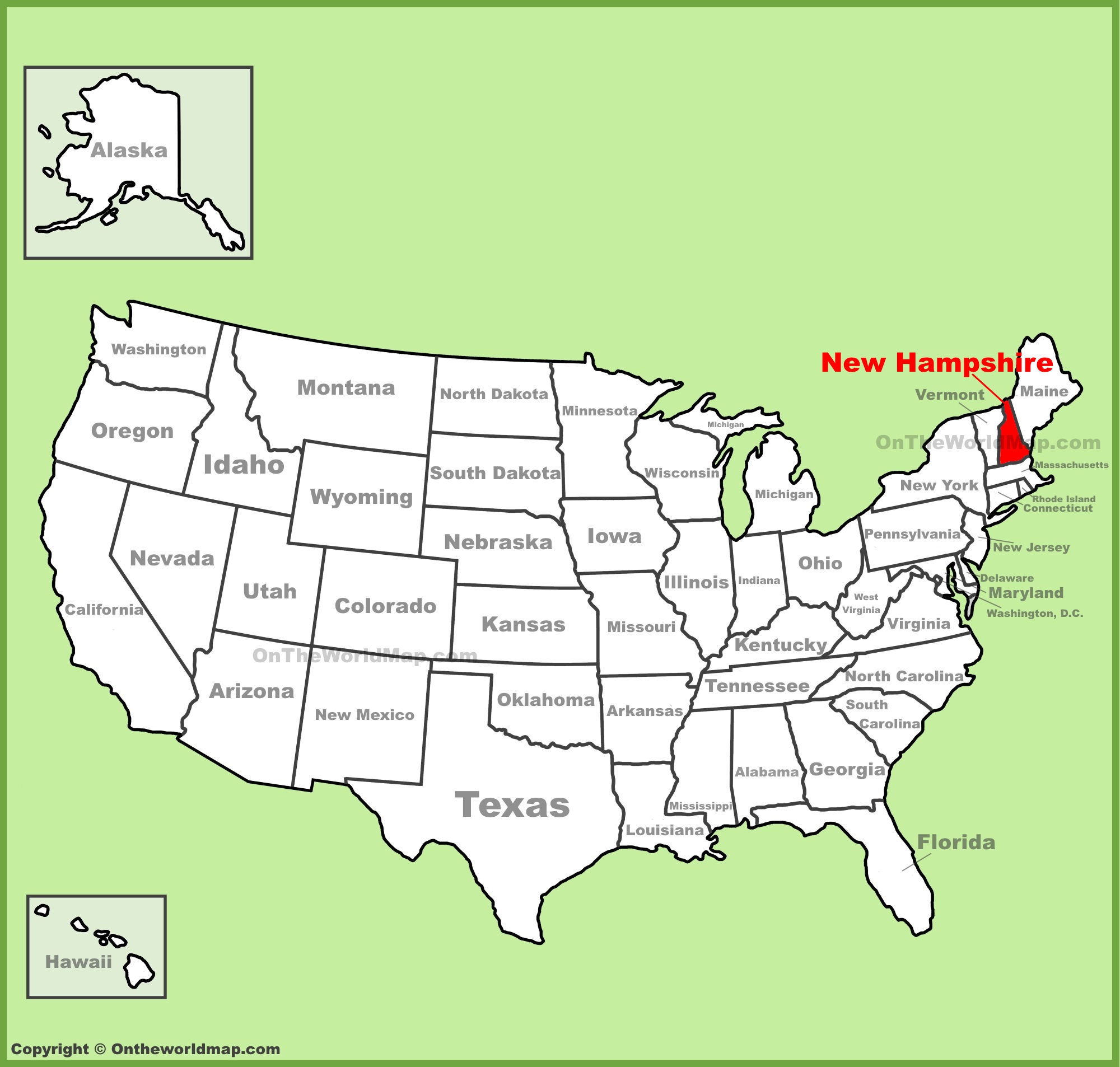
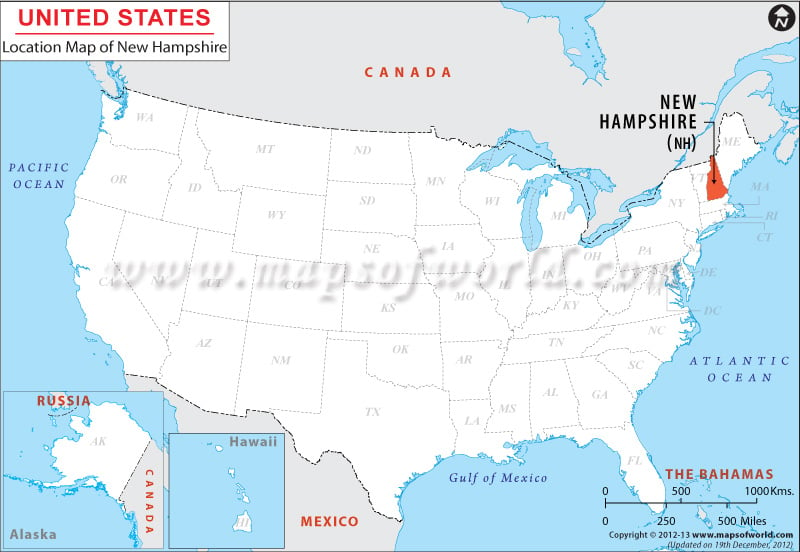
New Hampshire, known affectionately as the “Granite State,” occupies a distinctive position in the geography of the United States. Located in the New England region of the northeastern corner of the country, this state is defined by its rugged landscapes, rich colonial history, and strategic proximity to some of the most influential urban centers in North America. Understanding where New Hampshire is located requires looking at both its physical borders and its regional identity, which links the high-altitude peaks of the White Mountains to the bustling corridors of the Atlantic coastline.

Geographic Boundaries and Regional Context
To locate New Hampshire precisely, one must look at the map of the Northeast. The state is bordered to the north by the Canadian province of Quebec. To the west, the winding Connecticut River serves as a natural boundary separating New Hampshire from Vermont. To the east, the state shares a border with Maine and enjoys a narrow, yet vital, 18-mile coastline along the Atlantic Ocean. To the south lies the state of Massachusetts, which acts as a primary gateway for travelers heading north into the interior of the state.
The Significance of the Seacoast
While New Hampshire is often associated with vast interior forests and granite peaks, its location on the Atlantic seaboard is historically and economically vital. Though the coastline is short, it is densely packed with history and commerce. The city of Portsmouth serves as the state’s primary maritime hub. This location allows New Hampshire to participate in oceanic trade and tourism, offering a stark contrast to the mountainous regions located only a two-hour drive to the north.
Proximity to Urban Centers
One of the defining features of New Hampshire’s location is its accessibility. Situated within a few hours’ drive of Boston, the state serves as a “backyard” getaway for millions of people living in the Greater Boston metropolitan area. This proximity influences everything from real estate trends to tourism traffic, as the state bridges the gap between the high-octane urban environment of Massachusetts and the wild, untamed wilderness of the Appalachian Mountains.
The Landscape: From Coast to Peak
New Hampshire’s internal geography is divided into several distinct regions, each defined by its specific location relative to the state’s primary topographical features. The elevation gradient runs from the sea level marshes of the southeast to the alpine zones of the north.
The White Mountain National Forest
The heart of New Hampshire’s topography is the White Mountain National Forest. This protected region covers a massive portion of the northern half of the state. It is here that the Mount Washington stands tall as the highest peak in the northeastern United States. Visitors often head to this specific location to experience extreme weather conditions, high-altitude hiking, and some of the most spectacular fall foliage in the world. The location of these mountains provides a central anchor for the state’s tourism industry, attracting mountaineers, skiers, and nature photographers throughout the year.
The Lakes Region
Moving southward from the mountains, the geography transitions into the Lakes Region. Dominated by Lake Winnipesaukee, this area serves as a transition zone between the rugged northern wilderness and the more suburbanized southern portion of the state. The location of these lakes creates a micro-climate and a seasonal rhythm that draws summer residents and vacationers from across the country to the shores of towns like Wolfeboro and Laconia.
Historical and Cultural Importance of Location
The location of New Hampshire has always been critical to its historical narrative. As one of the original Thirteen Colonies, its position along the Atlantic coast facilitated early settlement. However, the state’s ability to defend its northern borders against colonial threats and its role in the American Revolutionary War were deeply tied to the terrain.
The Frontier Spirit
Because New Hampshire is situated at the northern edge of the early American colonies, it became a frontier territory. This geographic reality fostered a culture of self-reliance and independence that persists today. The motto “Live Free or Die” is not merely a political statement; it is a reflection of the state’s history of existing on the edge of organized civilization. The rugged, isolated valleys of the north helped forge a community that values privacy and individual autonomy, a trait that continues to define the state’s culture.
A Gateway to the North
Today, New Hampshire acts as the essential gateway to Northern New England. For those traveling from New York or Connecticut toward the remote reaches of Canada, New Hampshire provides the necessary infrastructure and mountain passes to navigate the region. Whether one is driving up the I-93 corridor or trekking the Appalachian Trail, the state’s location is impossible to bypass.
Accessibility and Transportation
Navigating to and through New Hampshire is a testament to how geography dictates infrastructure. The state’s location is served by major interstate highways, most notably Interstate 93, which acts as the vertical spine of the state.
Navigating the Granite State
The major transportation arteries run primarily north-to-south, reflecting the flow of commerce and tourism between the coastal cities and the mountain resorts. While the southern part of the state is characterized by suburban sprawl and highway density, the further north one travels, the more the road systems narrow into scenic byways like the Kancamagus Highway. This road is a marvel of engineering, carved directly through the heart of the mountains, showcasing the state’s rugged terrain to visitors.
Airports and Travel Hubs
While New Hampshire has its own aviation access, specifically through the Manchester-Boston Regional Airport, many travelers still rely on the Logan International Airport in Boston to reach the region. The state’s location relative to these transit hubs makes it one of the most accessible wilderness areas in the United States, allowing a traveler to land in a major city in the morning and reach the high peaks of the Presidential Range by the afternoon.
Conclusion: Why Geography Matters
New Hampshire remains a unique entity in the American landscape. It is not quite coastal in the way Rhode Island is, yet it is not fully locked into the deep northern wilderness like parts of Maine. Its location at the crossroads of the New England region allows it to serve multiple purposes: a bedroom community for commuters, a primary destination for adventure seekers, and a historical archive for those interested in the birth of the United States. Whether you are standing on the sandy beaches of Hampton Beach or looking out from the summit of a mountain in the White Mountains, you are always reminded that New Hampshire’s position on the map is what makes it truly special. It is a place defined by its borders, its mountains, and its enduring connection to the natural world.
LifeOutOfTheBox is a participant in the Amazon Services LLC Associates Program, an affiliate advertising program designed to provide a means for sites to earn advertising fees by advertising and linking to Amazon.com. Amazon, the Amazon logo, AmazonSupply, and the AmazonSupply logo are trademarks of Amazon.com, Inc. or its affiliates. As an Amazon Associate we earn affiliate commissions from qualifying purchases.