
For many travelers planning a road trip through the vast, open stretches of Nevada, the prospect of cruising across the Great Basin can be exhilarating. However, the excitement of the open road often comes with concerns regarding traffic enforcement. If you are considering equipping your vehicle with a radar detector to assist with speed management during your journey, it is essential to understand the regulatory landscape of the state.
Understanding the Legal Status of Radar Detectors in Nevada
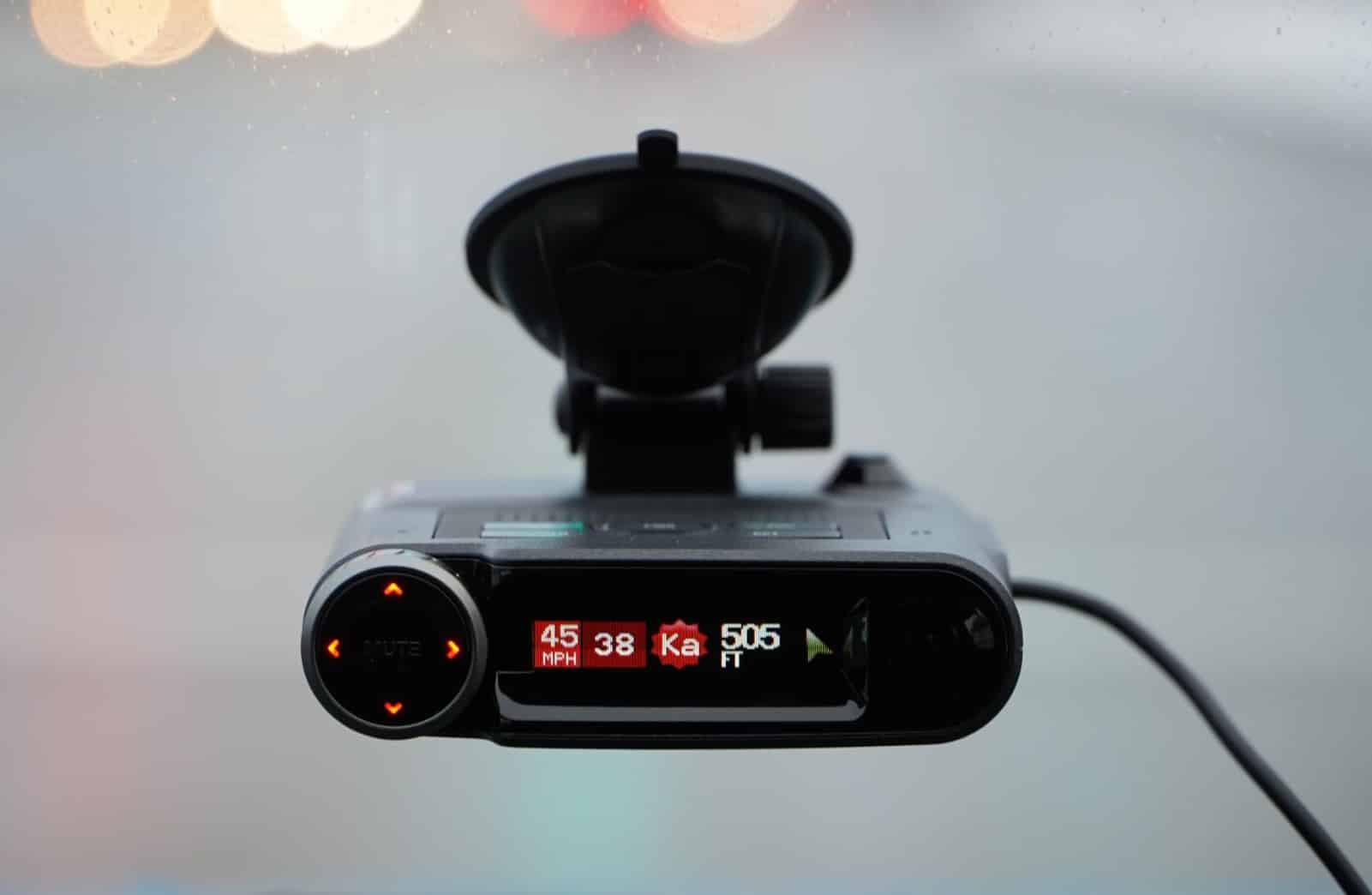
The primary question for many motorists is whether they are violating state law by utilizing electronic speed-measuring warning devices. In Nevada, the use of radar detectors in passenger vehicles is entirely legal. Unlike some other jurisdictions across the United States where such devices might be prohibited or restricted, Nevada law does not contain any statutes that forbid the possession or operation of radar detection equipment for standard consumer vehicles.
Federal Law and Passenger Vehicles
The legal environment for radar detectors is largely influenced by the Communications Act of 1934, which allows for the reception of radio signals. Because radar detectors are passive devices—meaning they only “listen” for radio frequencies emitted by law enforcement radar guns without actively interfering with them—they are generally permitted under federal guidelines for non-commercial use. Nevada adheres to these standards, ensuring that private citizens can travel through iconic routes like the Extraterrestrial Highway without fear of legal repercussions regarding their choice of dashboard accessories.
The Distinction Between Detectors and Jammers
It is vital to distinguish between a radar detector and a radar jammer. While a detector is a passive receiver that alerts the driver to the presence of speed-monitoring signals, a jammer is an active electronic device designed to interfere with or “scramble” a police officer’s radar or Lidar signal. While detectors are perfectly legal in Nevada, the use of radar jammers is strictly prohibited under both federal law and various state regulations. Utilizing a jammer can lead to severe penalties, including the confiscation of the device and significant fines. If you are preparing for a trip to Las Vegas or Reno, ensure your equipment is limited to a standard, compliant detector.
Driving Regulations and Considerations for Road Trippers
While the equipment itself is legal, the way you operate your vehicle on the highways of the Silver State remains subject to strict traffic laws. Knowing that a detector is legal does not provide immunity from speeding citations. Law enforcement agencies throughout Nevada employ a variety of methods to ensure safety, and a reliance on technology should never supersede the necessity of following posted speed limits.
Safety on Open Highways
When traveling through desolate stretches near Death Valley National Park or the rugged terrain of the Ruby Mountains, speed limits are implemented for the safety of all road users, including local wildlife and long-haul transport trucks. Detectors may alert you to incoming radar, but they are often ineffective against Lidar (laser) units, which are increasingly used by state troopers. Lidar is a focused beam that captures a vehicle’s speed almost instantaneously, leaving very little time for a detector to sound an alert. Motorists should be aware that their technological tools are not infallible.

Respecting Local Jurisdictions
Different regions, such as the Lake Tahoe area or the urban centers of Henderson, have specific traffic flows and congestion patterns. Navigating these areas requires heightened awareness. Whether you are driving through the scenic passes of Mount Charleston or the busy corridors near McCarran International Airport, maintaining a steady, law-abiding speed is the best defense against receiving a traffic violation. While you may have the technical right to operate a detector, law enforcement officers prioritize reckless driving and significant speed violations above all else.
Best Practices for Using Technology on the Road
If you decide to utilize a radar detector during your Nevada travels, there are several best practices to follow to ensure your trip remains focused on the experience of the destination rather than the stress of a traffic stop.
Placement and Visibility
When installing your detector, ensure that it is mounted in a location that does not obstruct your field of view. In many states, Nevada included, windshield obstructions can be considered a violation of vehicle safety codes. Mount your device neatly, perhaps near the rearview mirror or the dashboard edge, ensuring that it remains stable and does not distract from the scenic beauty of Valley of Fire State Park or the historic architecture of Virginia City.
Staying Informed on Current Laws
Laws regarding vehicle electronics can evolve. Before embarking on a road trip that spans multiple states, always verify the regulations for each state on your itinerary. While your detector is legal in Nevada, crossing the border into states with more restrictive policies could lead to unnecessary complications. Staying updated through reliable travel and automotive resources is a hallmark of a responsible traveler.
Maintaining Defensive Driving Habits
The ultimate goal of any road trip, whether you are visiting the Hoover Dam or heading out for a retreat in Ely, is to arrive safely. Electronic aids should be viewed as supplementary rather than essential. Defensive driving involves scanning the road, anticipating the actions of other motorists, and adjusting your speed to match environmental conditions—such as wind, dust storms, or sudden shifts in elevation.

Final Thoughts for the Nevada Traveler
Nevada offers an unparalleled landscape for road trippers, characterized by vast horizons, unique geologic formations, and the vibrant culture of its desert cities. The legal status of radar detectors provides travelers with one less thing to worry about as they traverse the state, yet it is merely a minor detail in the larger scope of travel safety.
By keeping your vehicle in good mechanical condition, respecting the posted speed limits, and remaining attentive to the road conditions around Great Basin National Park or the colorful streets of Boulder City, you can ensure that your Nevada adventure is memorable for all the right reasons. Technology can be a useful companion for a long-distance driver, but the most important safety feature on any vehicle remains the alert and responsible person behind the wheel. Whether you are navigating the winding roads near Red Rock Canyon or cruising the long, straight stretches of Highway 50, enjoy the journey, embrace the scenery, and travel with peace of mind knowing you are in compliance with the state’s straightforward laws on radar equipment.
LifeOutOfTheBox is a participant in the Amazon Services LLC Associates Program, an affiliate advertising program designed to provide a means for sites to earn advertising fees by advertising and linking to Amazon.com. Amazon, the Amazon logo, AmazonSupply, and the AmazonSupply logo are trademarks of Amazon.com, Inc. or its affiliates. As an Amazon Associate we earn affiliate commissions from qualifying purchases.