
Standing as one of the most majestic sentinels of the Sangre de Cristo Mountains, Mount Phillips is a focal point for adventurers exploring the high-altitude wilderness of New Mexico. While it may not command the fame of Mount Everest or the notoriety of Pikes Peak, its physical stature and geographical significance define the rugged beauty of the American Southwest. Understanding the elevation of this peak requires looking at the tectonic history and the geological majesty that defines the Southern Rockies.
Reaching the Heights: The Elevation of Mount Phillips
The summit of Mount Phillips reaches an impressive elevation of 11,736 feet (3,577 meters) above sea level. This peak is not merely a topographical curiosity; it is a significant feature of the Philmont Scout Ranch, serving as a challenging objective for thousands of scouts and hikers who trek through these high-country trails each summer.

The Physics of High-Altitude Climbing
At an elevation exceeding 11,000 feet, trekkers must account for the reality of thin air. The atmospheric pressure at the summit is significantly lower than at sea level, which means that the oxygen content available for respiration is reduced. Hikers traversing the slopes from the Cimarron valley floor often experience the physiological demands of climbing nearly a vertical mile. Proper acclimatization is essential, as the ascent involves navigating steep ridges and sub-alpine forests that define this elevation zone.
Geological Context of the Sangre de Cristo Range
The Sangre de Cristo Mountains represent the southernmost subrange of the Rocky Mountains. This range is a fault-block mountain system, characterized by steep western fronts and a gradual eastern slope. Mount Phillips exemplifies the dramatic relief of this region. The uplifted basement rocks, consisting primarily of Precambrian granite and metamorphic rocks, provide the structural foundation for these high peaks, resulting in the jagged, towering profiles that define the horizon of Colfax County.
The Landscape of the Philmont Backcountry
For many, the appeal of Mount Phillips is inextricably linked to its location within the vast wilderness of the Philmont Scout Ranch. Stretching across over 140,000 acres, this massive estate offers a window into the pristine environment of the Rocky Mountains.
Flora and Fauna Across Elevation Zones
As hikers climb toward the summit of Mount Phillips, they traverse several distinct life zones. Starting in the lower meadows filled with ponderosa pines and Gambel oaks, the ecosystem shifts as elevation increases.
- Montane Zone: Dominated by Douglas fir and white fir, this region provides essential shelter for New Mexico wildlife, including elk, mule deer, and occasionally black bears.
- Sub-Alpine Zone: Near the 11,000-foot mark, the vegetation changes significantly. Bristlecone pines and Engelmann spruces become the dominant species, thriving in the harsh, high-wind environments that precede the treeline.
- Alpine Tundra: The true summit region features hardy grasses and wildflowers that bloom briefly during the short summer window. The rocky, exposed terrain is a testament to the endurance required to survive at such altitudes.

Historical Significance of the Trails
Beyond the geological and ecological aspects, Mount Phillips holds a storied place in the history of the American West. The area was once part of the Maxwell Land Grant, a massive property that played a central role in the westward expansion of the United States. Travelers and prospectors of the 19th century navigated these same mountain passes, marking trails that are still visible to modern-day hikers.
Navigating the Ascent: A Guide for Trekkers
Climbing to the 11,736-foot summit is a pursuit of both physical fitness and mental preparation. While there are many ways to approach the mountain, the most common paths lead through the Philmont backcountry.
Planning Your Route
The most popular approach to Mount Phillips involves traversing from neighboring camps like Clear Creek or Thunder Ridge. These routes offer varying levels of difficulty but share common hazards:
- Weather Fluctuations: Afternoon thunderstorms are a frequent occurrence in the Rocky Mountains during the summer months. Being caught near the summit of Mount Phillips during a lightning storm is a significant danger that every hiker must mitigate by aiming for early summits and quick descents.
- Hydration and Energy: Because of the altitude, the human body loses water at an accelerated rate through respiration and perspiration. Maintaining hydration and a steady intake of complex carbohydrates is crucial for summiting successfully without succumbing to fatigue or altitude sickness.
Necessary Gear and Safety Precautions
A successful trek to the summit requires more than just spirit; it requires the right equipment. Reliable hiking boots, trekking poles for stability, and a layered clothing system are non-negotiable for safety. The high-altitude sun is intense, making ultraviolet protection—including high-SPF sunscreen and polarized sunglasses—essential. Furthermore, every hiker should carry a topographic map and a compass, or a reliable GPS device, as trail conditions can change rapidly in the backcountry of New Mexico.
Why Mount Phillips Matters
Mount Phillips is more than just a specific altitude on a map. It serves as a symbol of the untamed, rugged beauty that attracts thousands of visitors to the Southern Rockies each year.
Conservation and Wilderness Preservation
The preservation of the Philmont Scout Ranch and the surrounding peaks ensures that the delicate balance of the sub-alpine ecosystem remains intact. Programs focused on trail maintenance and forest management protect the structural integrity of the mountains, preventing erosion and ensuring that the ascent remains a viable experience for future generations.
The Personal Challenge
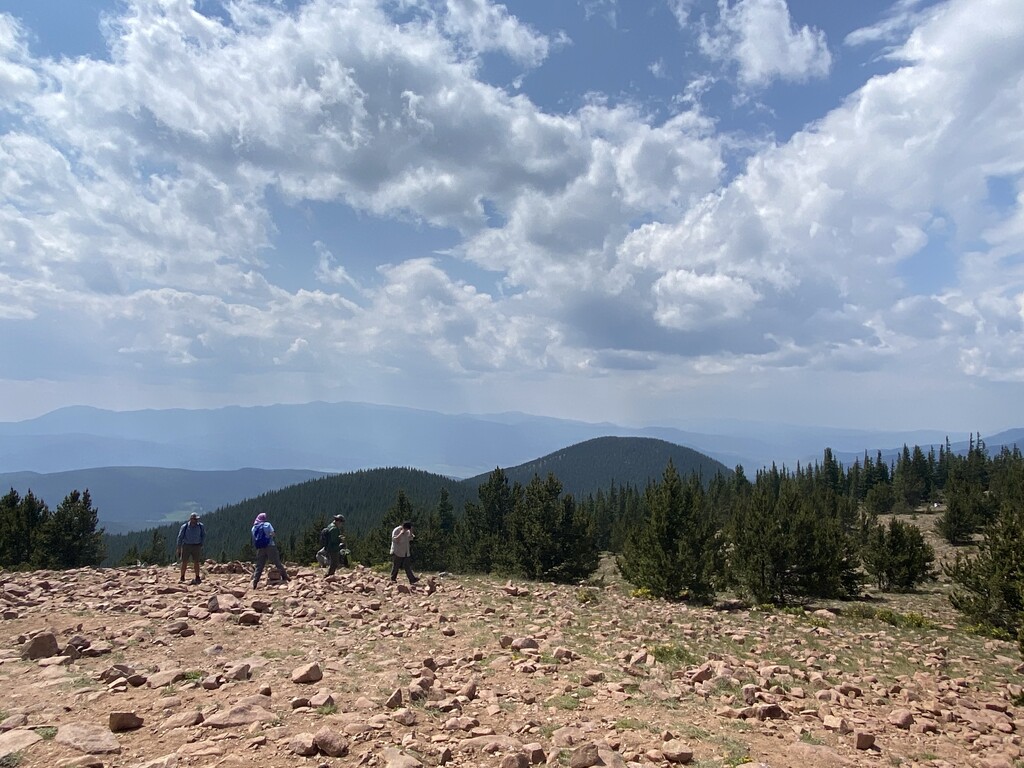
Many who stand at the 11,736-foot mark describe the experience as transformative. Whether it is the view overlooking the Valle Vidal or the quiet contemplation of standing atop a major peak in the Sangre de Cristo Mountains, the act of reaching the summit of Mount Phillips creates a lasting connection to the natural world. It encourages respect for the environment and an appreciation for the vastness of the American Southwest.
As one descends from the high elevation of this mountain back toward the Cimarron valley, the sense of accomplishment is palpable. Mount Phillips stands as a constant reminder of the endurance of nature and the timeless call of the high country. For the hiker, the scientist, and the adventurer, this peak remains one of the most significant landmarks in the diverse geography of New Mexico. Whether you approach it as a rigorous physical challenge or a meditative journey through nature, its elevation provides a perspective that few other places can offer.
LifeOutOfTheBox is a participant in the Amazon Services LLC Associates Program, an affiliate advertising program designed to provide a means for sites to earn advertising fees by advertising and linking to Amazon.com. Amazon, the Amazon logo, AmazonSupply, and the AmazonSupply logo are trademarks of Amazon.com, Inc. or its affiliates. As an Amazon Associate we earn affiliate commissions from qualifying purchases.