
The dream of a luxury getaway often involves plush bedding, high-thread-count linens, and the promise of a pristine environment. Whether you are checking into a boutique property in Paris or a sprawling resort in Cancun, the cleanliness of your accommodations is paramount to your peace of mind. However, travelers occasionally encounter concerns about hygiene, with one of the most persistent anxieties being the potential to contract scabies from hotel bedding or upholstery. While it is a topic that rarely makes it into promotional brochures, understanding the reality of transmission within the Accommodation industry is essential for any frequent traveler.
Understanding the Nature of Scabies
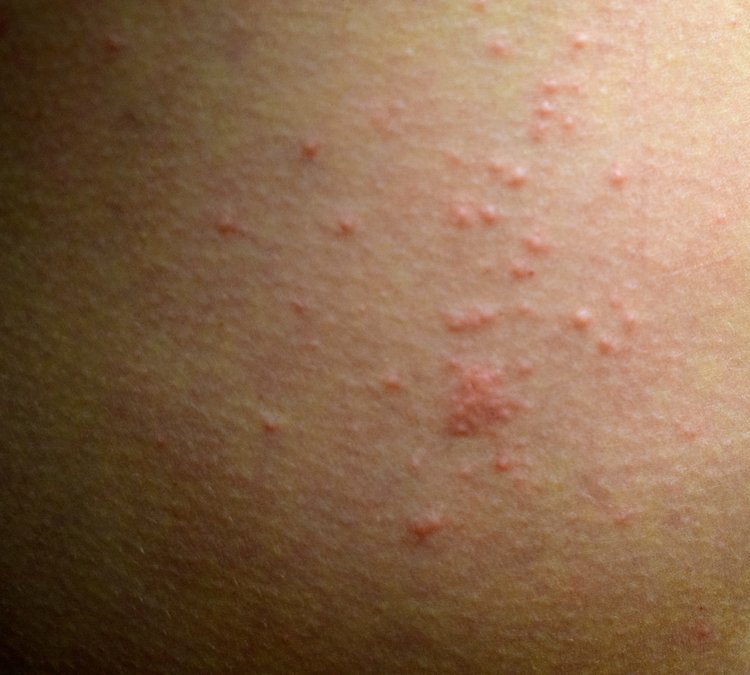
Scabies is a skin infestation caused by the microscopic mite Sarcoptes scabiei. These tiny parasites burrow into the upper layer of the skin, where they live and deposit eggs. The resulting immune response—a manifestation of the body reacting to the mites, their eggs, and their waste—leads to intense itching and a characteristic pimple-like rash.
The primary mode of transmission for scabies is direct, prolonged skin-to-skin contact. Because the mites require a human host to survive, they are notoriously fragile creatures. Once they leave the human body, they can typically only survive for about 48 to 72 hours at room temperature. This biological limitation is the most critical factor when evaluating the risk posed by inanimate objects like hotel sheets, towels, or carpets.
The Risk Factor in Hotel Environments
The question of whether you can contract scabies from a hotel room is rooted in the concept of “fomite transmission”—the transfer of a pathogen via an inanimate object. While scabies is not traditionally considered a highly contagious disease through casual contact with surfaces, the possibility exists under specific circumstances.
Survival Rates and Surface Exposure
The mites responsible for scabies do not jump or fly; they crawl. If a guest with an active case of crusted (hyperkeratotic) scabies stays in a room, they may shed thousands of mites into the bedding or onto upholstered surfaces. In the high-end suites of a property like The Ritz-Carlton, rigorous housekeeping standards act as the first line of defense. High-heat laundry cycles are lethal to scabies mites, effectively sanitizing linens between guest stays.
However, the risk is theoretically higher in scenarios where there is a very short “turnaround” time between a heavily infested guest checking out and a new guest checking in. If the mites are shed in abundance onto a mattress protector or a decorative fabric that is not laundered as frequently as sheets, a new guest could theoretically pick up the infestation.
Why Casual Contact is Often Overestimated
It is important to maintain a sense of perspective. Most hotel housekeeping protocols, especially in reputable Hilton or Marriott properties, involve deep cleaning procedures that include vacuuming, surface disinfecting, and high-temperature laundering. These processes are generally sufficient to kill any mites that might have been left behind. The chances of catching scabies from a hotel bed are significantly lower than the chances of contracting it through direct contact with an infected family member or acquaintance.

Best Practices for Traveler Hygiene
While the risk is statistically low, discerning travelers often prefer to take proactive measures to ensure their environment is to their standard. Whether you are staying in a modest urban hotel in New York City or a beachside villa in Bali, a few simple habits can provide peace of mind.
Inspecting Your Accommodations
Upon entering your room, perform a quick visual inspection. Focus on the cleanliness of the linens and the overall state of the furniture. While you cannot see scabies mites with the naked eye, you can assess the general hygiene of the room. If the bedding appears unwashed or the room displays signs of neglected maintenance, do not hesitate to request a room change or a fresh set of linens.
Utilizing Protective Measures
For those who are particularly cautious, several travel products can act as barriers:
- Travel Sleep Sacks: These are lightweight liners that create a physical barrier between you and the hotel bedding. They are particularly popular among travelers visiting various regions in Thailand or India, where accommodation standards can vary widely.
- Personal Luggage Management: Keep your suitcases off the floor and away from upholstered chairs. Use the provided luggage rack, which is less likely to harbor pests compared to carpets.
- High-Heat Strategy: If you suspect the cleanliness of your surroundings, checking your laundry upon arriving home—and washing everything on a “hot” setting—is an excellent way to neutralize any potential contaminants from your journey.
When to Seek Medical Attention
If, after returning from a trip to a destination like London or Tokyo, you notice a persistent, worsening itch—particularly at night—it is natural to be concerned. However, do not immediately assume that a hotel stay is the culprit. Many other factors could be causing skin irritation, including:
- Contact Dermatitis: An allergic reaction to hotel-provided soaps, detergents, or body washes.
- Bed Bug Bites: Often confused with scabies, though the physical presentation and the nature of the irritation differ.
- Dry Skin: A common side effect of travel, air travel in particular, which can lead to excessive itching.
If the rash persists and does not improve with over-the-counter moisturizers, consult a dermatologist. They can conduct a skin scraping to look for mites, eggs, or feces under a microscope. This is the only definitive way to diagnose scabies and rule out other, more common skin conditions.

Conclusion: Balancing Caution and Enjoyment
Travel is about exploration and comfort, and while the thought of pests is unsettling, it should not deter you from visiting the world’s most iconic locations, from the historic streets of Rome to the modern skyscrapers of Dubai.
The hotel industry is governed by strict sanitary codes, and the likelihood of contracting scabies from a reputable establishment remains incredibly low. By choosing high-quality accommodations, practicing smart packing, and maintaining common-sense hygiene habits, you can mitigate any hypothetical risks. Ultimately, the joy of a well-earned vacation far outweighs the minimal statistical threat of a microscopic encounter. Focus on the destination, the culture, and the memories you are creating, knowing that the vast majority of hospitality providers are dedicated to maintaining a clean and safe environment for every guest.
LifeOutOfTheBox is a participant in the Amazon Services LLC Associates Program, an affiliate advertising program designed to provide a means for sites to earn advertising fees by advertising and linking to Amazon.com. Amazon, the Amazon logo, AmazonSupply, and the AmazonSupply logo are trademarks of Amazon.com, Inc. or its affiliates. As an Amazon Associate we earn affiliate commissions from qualifying purchases.