
When one thinks of New York City, the anthem that instantly resonates in the mind is “Theme from New York, New York.” It is a song that captures the ambition, the grit, and the grandiosity of the United States. While the melody is ubiquitous, the history of who sang it—and how it became the definitive track for the Big Apple—is a journey through the cultural landscape of 20th-century entertainment.
The Cinematic Origin of the Anthem
The song was not originally written for a concert hall or a radio debut. It was composed by John Kander and Fred Ebb for the 1977 Martin Scorsese film titled New York, New York. In this cinematic setting, the song was performed by the legendary actress and singer Liza Minnelli.

Liza Minnelli’s Iconic Performance
In the film, Minnelli plays the character Francine Evans, a lounge singer navigating the complexities of fame and a turbulent romance in the post-war era. Her rendition is brassy, theatrical, and deeply rooted in the musical tradition of Broadway. She brought a level of raw, emotive power to the lyrics, turning the song into a narrative piece that reflected the character’s determination to “make it” in the most competitive city on earth.
While Minnelli’s version is technically the “original,” it is often overshadowed in public memory by a later interpretation. Despite this, her performance remains the definitive cinematic version, forever tethering the song to the imagery of Times Square and the neon lights that define the city’s nightlife.
The Sinatra Phenomenon: Elevating a Standard
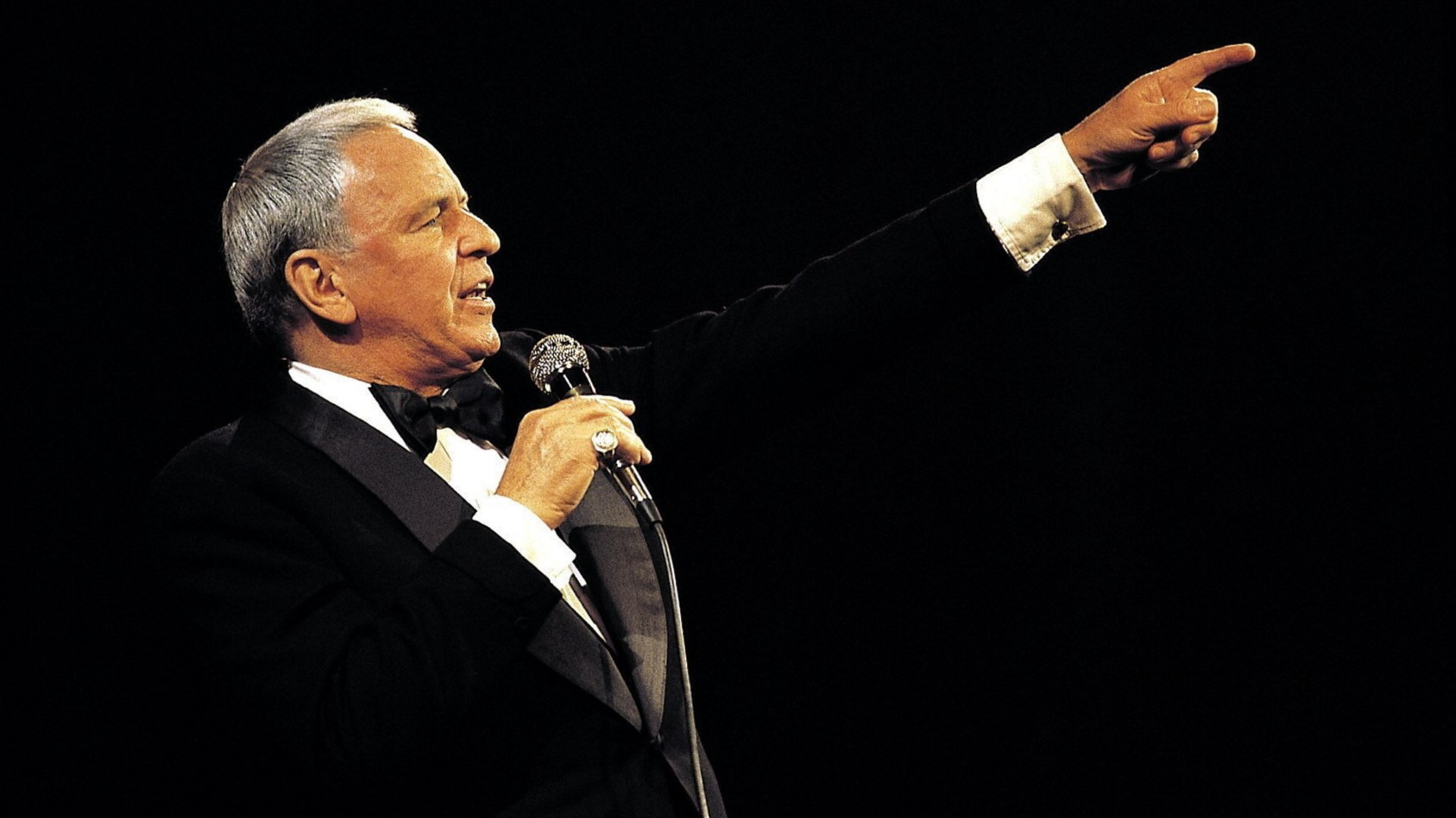
If Liza Minnelli gave the song its heart, Frank Sinatra gave it its immortality. In 1979, just two years after the film’s release, Sinatra recorded his own version for his album Trilogy: Past Present Future. This was not merely a cover; it was a total re-imagining that transformed the song from a movie showstopper into a global cultural phenomenon.
How Sinatra Changed the Song
Sinatra’s interpretation stripped away the character-based nuances of the original and replaced them with an unwavering sense of triumph. He slowed the tempo slightly, allowing the phrasing of the lyrics to hit with the weight of a seasoned veteran reflecting on a life lived fully.
When Sinatra sang the line, “I want to wake up in a city that doesn’t sleep,” he wasn’t just performing a script; he was channeling his own persona as a man who had conquered the world. This version became inextricably linked to the city itself. It is now played at the closing of Yankee Stadium games, at New Year’s Eve celebrations, and at countless galas across Manhattan. For millions, the song and the singer are one and the same.
The Cultural Impact and Musical Legacy
The “Theme from New York, New York” has transcended its origins to become more than just a popular standard. It is now a symbol of urban resilience and the “American Dream.” Its ubiquity in travel guides and tourism marketing has cemented it as the unofficial theme song of the Empire State.
Why the Song Resonates Globally
The secret to the song’s longevity lies in its lyrics, which speak to the universal desire for significance. Whether a traveler is visiting Central Park for the first time or a long-time resident navigating the Brooklyn Bridge, the song encapsulates the feeling of possibility that the city provides.
The composition serves as a bridge between generations. Younger listeners may discover the track through movies or television, while older fans remember the electrifying era of the Rat Pack. The song acts as a sonic landmark, similar to the Statue of Liberty or the Chrysler Building, serving as a recognizable beacon that tourists and locals alike flock toward.
Performance and Ownership: Who Truly “Owns” the Song?
There is often a debate about who truly “owns” the song. Does it belong to the composers, Kander and Ebb? Does it belong to Minnelli, who introduced it to the world? Or does it belong to Sinatra, who took it to the top of the charts?

Artistic Interpretations Across Time
The beauty of a “standard” in music is that it is designed to be interpreted by many. Since 1979, the song has been covered by an exhaustive list of artists, including Tony Bennett, Beyoncé, and even various jazz ensembles that perform in the underground clubs of Greenwich Village.
- The Big Band Influence: The brass arrangements that accompany the song draw heavy inspiration from the Jazz Age, a time when New York City was the undisputed center of the artistic world.
- The Modern Context: Today, the song is frequently performed at high-profile events throughout New York City, ranging from the Rockefeller Center tree lighting to private events at the Waldorf Astoria.
Ultimately, the song no longer belongs to a single singer. It belongs to the city. Whenever someone stands atop the Top of the Rock and looks out over the sprawling horizon of New Jersey and Long Island, the rhythm of “New York, New York” serves as the internal soundtrack.
While history credits Minnelli with the original vocal and Sinatra with the commercial triumph, the song has effectively outgrown its performers. It has become a permanent fixture of our collective consciousness, a melodic monument that defines the spirit of one of the greatest cities on Earth. Whether through the lens of history, music, or tourism, the question of “who sang it” serves as an invitation to explore the city itself—a place that continues to dream, perform, and reinvent itself, just like the song that bears its name.
LifeOutOfTheBox is a participant in the Amazon Services LLC Associates Program, an affiliate advertising program designed to provide a means for sites to earn advertising fees by advertising and linking to Amazon.com. Amazon, the Amazon logo, AmazonSupply, and the AmazonSupply logo are trademarks of Amazon.com, Inc. or its affiliates. As an Amazon Associate we earn affiliate commissions from qualifying purchases.