
When venturing into the vast, rugged landscapes of the American West, travelers often find themselves navigating not just the terrain, but the social customs of the local inhabitants. Among the most common questions for those visiting the “Treasure State” is the correct demonym for its residents. While some states have names that roll off the tongue with ease, the identity of those who call Montana home is steeped in regional nuance and a deep-seated pride that transcends simple labeling.
To be a Montanan is to be defined by a relationship with the land. Whether you are traversing the high plains of the east or the craggy, snow-dusted peaks of the west, the culture here is singular. Understanding how the locals refer to themselves—and how they view their place in the broader tapestry of the United States—is an essential part of the tourist experience, helping visitors connect more authentically with the people who define this majestic region.
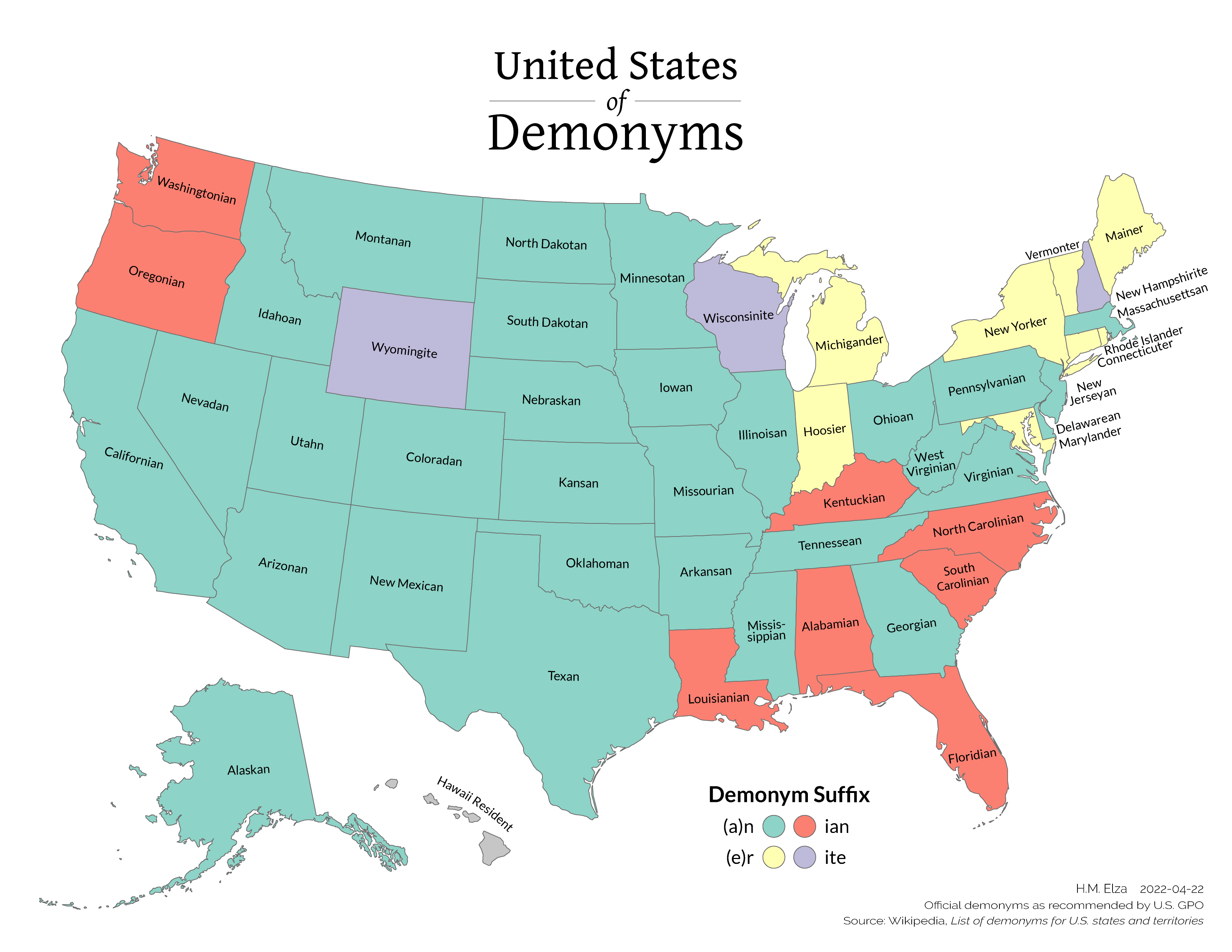
The Official Demonym: Embracing the “Montanan” Identity
The formal and most widely accepted term for someone from this state is simply “Montanan.” It is a title worn with a sense of quiet authority, reflecting a state that prioritizes substance over flash. Unlike some regions where nicknames are used colloquially or ironically, “Montanan” carries an weight of history and geography.
Linguistic Origins and Usage
The suffix “-an” is standard in American English for state demonyms, and in the case of Montana, it serves as a proud badge of belonging. When locals introduce themselves, they rarely use elaborate descriptors. They are Montanans. This linguistic simplicity reflects the state’s frontier heritage, where actions have always spoken louder than words. For the visitor, adopting this term is the most respectful way to acknowledge the state’s distinct cultural identity.
Why It Matters to Locals
For residents, the term represents a shared commitment to a lifestyle that values independence, stewardship of the environment, and a slow, intentional pace of life. Whether they reside in bustling Bozeman or a remote ranching town, the label acts as an equalizer. It bridges the gap between the university researchers in Missoula and the agricultural stewards managing the vast wheat fields near the border of Canada.
Regional Distinctions and Cultural Pride
While “Montanan” is the universal label, the state is too geographically and culturally diverse to be a monolith. The experience of living in Montana varies significantly depending on which side of the Continental Divide you call home. These nuances inform how locals view their own identities within the state.

The Western Slope vs. The Eastern Plains
The western portion of the state, dominated by the Rocky Mountains, is characterized by timber, tourism, and a more diverse, academic, and recreational-focused population. Here, people often associate their identity closely with the outdoor amenities of Glacier National Park or the thriving culture of Whitefish.
Conversely, the eastern plains feel like the high-plains heart of the West. It is a region of vast horizons, cattle ranching, and agricultural tradition. A resident from the Yellowstone River valley might identify just as fiercely as a Montanan as someone from the high-altitude neighborhoods of Helena, but their connection to the landscape is shaped by the cycle of the seasons and the demands of the land.
Local Pride and Hospitality
Despite these geographic differences, there is a unified “Montanan” code of conduct that visitors should be aware of. Hospitality in Montana is genuine, characterized by a “live and let live” philosophy. Locals are typically warm and welcoming, provided that visitors show respect for the environment and the traditions that have sustained these communities for generations. When traveling, engaging with locals as “Montanans” rather than treating the state as a mere backdrop for photos will invariably lead to more meaningful interactions.
Connecting with Local Culture
To truly understand what it means to be a Montanan, one must look beyond the label and into the experiences that shape the local worldview. The culture is a blend of rugged self-reliance and community support, often manifested in local gatherings, regional cuisine, and a deep reverence for the natural world.
Authentic Experiences for the Traveler
If you want to experience the spirit of a Montanan, step outside the typical tourist track. Consider attending a local rodeo in Billings, where the heritage of the American West is still lived and practiced. Visit a local coffee house in Livingston and observe the rhythm of daily life. The culture here is not put on for the benefit of visitors; it is a living, breathing entity that welcomes those who are curious enough to learn its ways.
Respecting the Landscape and the Lifestyle
A significant part of the Montanan identity is defined by the preservation of the great outdoors. With natural wonders like the Big Sky region, residents are fierce protectors of their wilderness. As a visitor, your interaction with the environment is a reflection of your respect for the local population. Staying on marked trails, practicing “Leave No Trace” ethics, and supporting local businesses are all ways to demonstrate that you recognize the value of the land that Montanans work so hard to maintain.

Tips for Travelers
When engaging in conversation, allow the local, the Montanan, to set the tone. You will find that most residents are more than happy to share their favorite secret fishing spots or hidden mountain trails if you approach them with sincerity. Avoid the temptation to compare the state to other regions; instead, ask questions about the local history, the challenges of winter life, or the vibrant art scenes emerging in towns like Butte.
Ultimately, the answer to “What do you call someone from Montana?” is more than just a word. It is an invitation to engage with a community that is deeply tied to the rhythms of nature and the history of the American frontier. By understanding the pride behind the name “Montanan,” you transform your trip from a standard vacation into a genuine immersion in one of the most storied and beautiful states in the North America region. Whether you are watching the sun set over the peaks of the Beartooth Mountains or enjoying a locally sourced meal in a historic downtown, remember that you are a guest in a land defined by its people as much as its geography. Treat the title with respect, and you will find the people of this state to be as expansive and welcoming as the horizon itself.
LifeOutOfTheBox is a participant in the Amazon Services LLC Associates Program, an affiliate advertising program designed to provide a means for sites to earn advertising fees by advertising and linking to Amazon.com. Amazon, the Amazon logo, AmazonSupply, and the AmazonSupply logo are trademarks of Amazon.com, Inc. or its affiliates. As an Amazon Associate we earn affiliate commissions from qualifying purchases.