
The journey from the sprawling metropolis of Los Angeles to the high-desert gateway of Victorville represents more than just a transition between city and wilderness; it is a movement across the dynamic landscape of California. As travelers depart the coastal influence of the Pacific Ocean and venture toward the Mojave Desert, the distance covered offers a fascinating look at the logistical arteries that sustain the Golden State.
Navigating the Route: Distances and Travel Times
The physical distance between Los Angeles and Victorville is approximately 100 miles, depending on your specific starting point within the vast Los Angeles County area. While the mileage remains relatively consistent, the actual travel time is notoriously subject to the rhythmic ebb and flow of regional traffic patterns.

The Dynamics of Interstate 15
Most travelers utilize Interstate 15 as the primary artery connecting the two regions. This corridor is essential for those moving from the urban core toward San Bernardino County. During non-peak hours, a driver can expect to traverse this stretch in roughly one hour and forty-five minutes. However, because this route also serves as a critical link to Las Vegas, weekend surges and commute-hour congestion can easily double that travel time. Understanding the pulse of the Cajon Pass is essential for anyone planning this trip, as it acts as the primary mountain gateway separating the basin from the high desert.
Alternative Transportation Considerations
While personal vehicles remain the most common mode of transit, those looking to avoid the rigors of mountain driving have options. The Metrolink system provides a commuter rail connection that links parts of Southern California with the high desert regions. While the train service offers a more relaxed pace, it is vital to check the Inland Empire-Orange County Line schedules, as service frequency and direct connectivity can vary significantly compared to the accessibility of the highway system.
The Cultural and Geographic Transition
Traveling from the coastal basin to Victorville is a lesson in regional geography. You begin in the densely populated, Mediterranean-climate zones of the Los Angeles Basin and gradually ascend through the San Bernardino Mountains.
From Coastal Chic to Desert Resilience
The aesthetic shift is palpable. As you crest the Cajon Pass, the dense urban canopy of Los Angeles gives way to the open vistas and rugged beauty of the high desert. Victorville serves as a commercial hub for the surrounding desert communities, offering a different pace of life that emphasizes space, wide skies, and an appreciation for the history of the American West.

Iconic Landmarks Along the Way
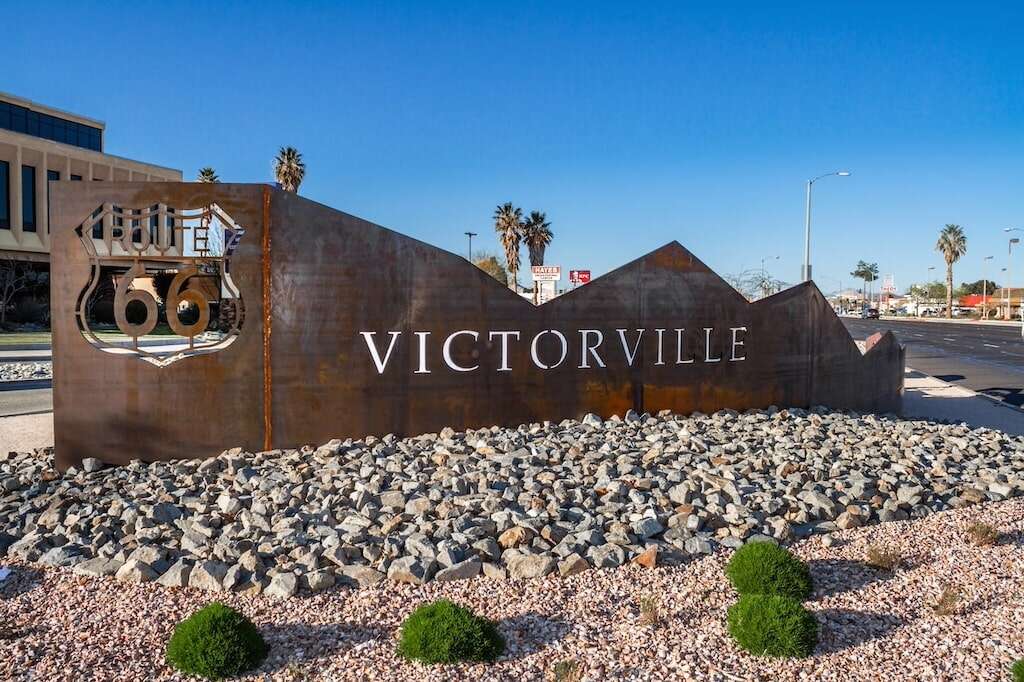
The route between these two destinations is steeped in history. Much of the path follows the historic trajectory of Route 66, the legendary highway that once connected the Midwest to the Pacific Coast. Travelers who prefer a slower, more nostalgic pace often bypass the main interstate to explore remnants of this iconic road, visiting small desert outposts and vintage service stations that dot the Victor Valley. The California Route 66 Museum located in Victorville itself acts as a testament to the town’s role in the lore of American travel.
Planning Your Desert Escape
Whether you are traveling for business, visiting family, or looking to explore the natural wonders of the High Desert, preparation is the key to an enjoyable trip.
Best Times to Travel
To maximize efficiency, timing is everything. Weekday mid-mornings or early afternoons are generally the best windows to navigate the Cajon Pass with minimal delay. If your schedule is flexible, avoid the Sunday evening “return to the city” traffic, which often features significant congestion as travelers return from their Las Vegas trips.
Weather and Road Safety
Because the elevation of Victorville is significantly higher than that of Los Angeles, weather patterns can differ drastically. During the winter months, it is not uncommon for the Cajon Pass to experience light snowfall or high winds, which can affect travel safety. During the summer, the dry heat of the Mojave Desert requires adequate hydration and vehicle maintenance. Always ensure your cooling system is in top condition before embarking on a climb into the desert plateau.
Why the Distance Matters: The Connection Between Two Worlds
The 100-mile stretch between these two locations is more than just a commute; it represents the interdependence of the Inland Empire and the coastal economic centers. Victorville serves as a critical distribution and logistics hub for Southern California, owing to its strategic position along the major transcontinental rail and highway corridors.
Logistics and Commerce
The industrial importance of Victorville has made it a pivotal player in the economic landscape of San Bernardino County. As Los Angeles continues to grow, the infrastructure connecting it to the high desert remains one of the most vital logistical paths in the nation. The physical proximity, while often hampered by traffic, remains short enough to allow for a thriving regional economy where thousands of people live in the high desert while maintaining professional ties to the coastal metropolitan centers.
A Gateway to Adventure
For the leisure traveler, Victorville is often the jumping-off point for explorations into the broader Mojave Desert. Whether you are heading toward Joshua Tree National Park or looking for off-roading adventures in the vast public lands that surround the Victor Valley, understanding the accessibility from Los Angeles is fundamental.
In conclusion, while the distance between Los Angeles and Victorville is only about 100 miles, the transition between these two regions is profound. It is a journey that takes you through the heart of California’s topography, linking the bustling, high-energy environment of the Pacific Coast with the resilient, open, and rugged spirit of the High Desert. Whether driving the Interstate 15 corridor or exploring the historic remnants of Route 66, the trip offers a unique perspective on the diversity that defines the Golden State.
LifeOutOfTheBox is a participant in the Amazon Services LLC Associates Program, an affiliate advertising program designed to provide a means for sites to earn advertising fees by advertising and linking to Amazon.com. Amazon, the Amazon logo, AmazonSupply, and the AmazonSupply logo are trademarks of Amazon.com, Inc. or its affiliates. As an Amazon Associate we earn affiliate commissions from qualifying purchases.