
When travelers journey through the high desert landscapes and vibrant cultural tapestry of New Mexico, they often find themselves immersed in the history of the United States. Beyond the turquoise jewelry, the spicy red chile, and the iconic adobe architecture found in Santa Fe, this region plays a distinct role in the American political landscape. While visitors often come to explore the Pueblos or the mysterious allure of Roswell, the state’s electoral footprint is a cornerstone of its contribution to national governance. Understanding the weight of this state in the Electoral College provides a unique lens through which to view its stature within the union.
The Electoral Weight of the Land of Enchantment
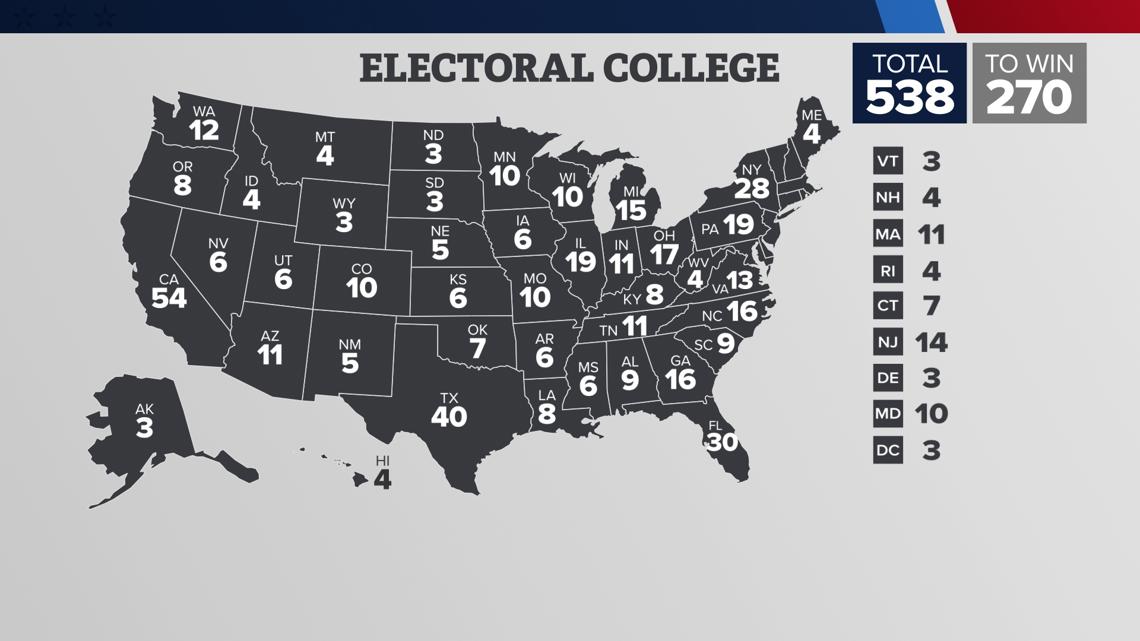
New Mexico currently holds 5 electoral votes in the Electoral College. This figure is determined by the state’s total number of representatives in the United States Congress, which is the sum of its seats in the House of Representatives and its two United States Senate seats.
Understanding the Census Connection
The number of electoral votes assigned to states is not static; it is recalibrated every ten years following the United States Census. As populations shift across the country, states gain or lose representation in the House, which directly impacts their electoral vote count. New Mexico’s allocation has remained relatively consistent over the last few decades, reflecting a stable, if moderate, population growth. For those touring the sprawling landscapes of the Southwest, the political significance of these 5 votes is often discussed in local cafes in Albuquerque and quiet galleries in Taos, illustrating how local identity ties into the broader federal structure.
The Math Behind the Votes
Every state is guaranteed a minimum of three electoral votes, regardless of population size, because every state has two senators and at least one representative. New Mexico’s current allotment of 5 votes suggests that it possesses three representatives in the House, in addition to its two Senators. This distribution is vital for political campaigns that prioritize visiting the Mountain West to engage with the diverse demographics that define the region, from the agrarian communities in the Rio Grande Valley to the tech-heavy corridors near Los Alamos.
Political Tourism and Civic Engagement
For the modern traveler, New Mexico offers more than just scenic beauty; it offers a front-row seat to the functioning of a democracy. The state’s history is deeply intertwined with the development of Western governance, and its political culture is as colorful as the sunsets over the Sandia Mountains.
Influence in the National Narrative
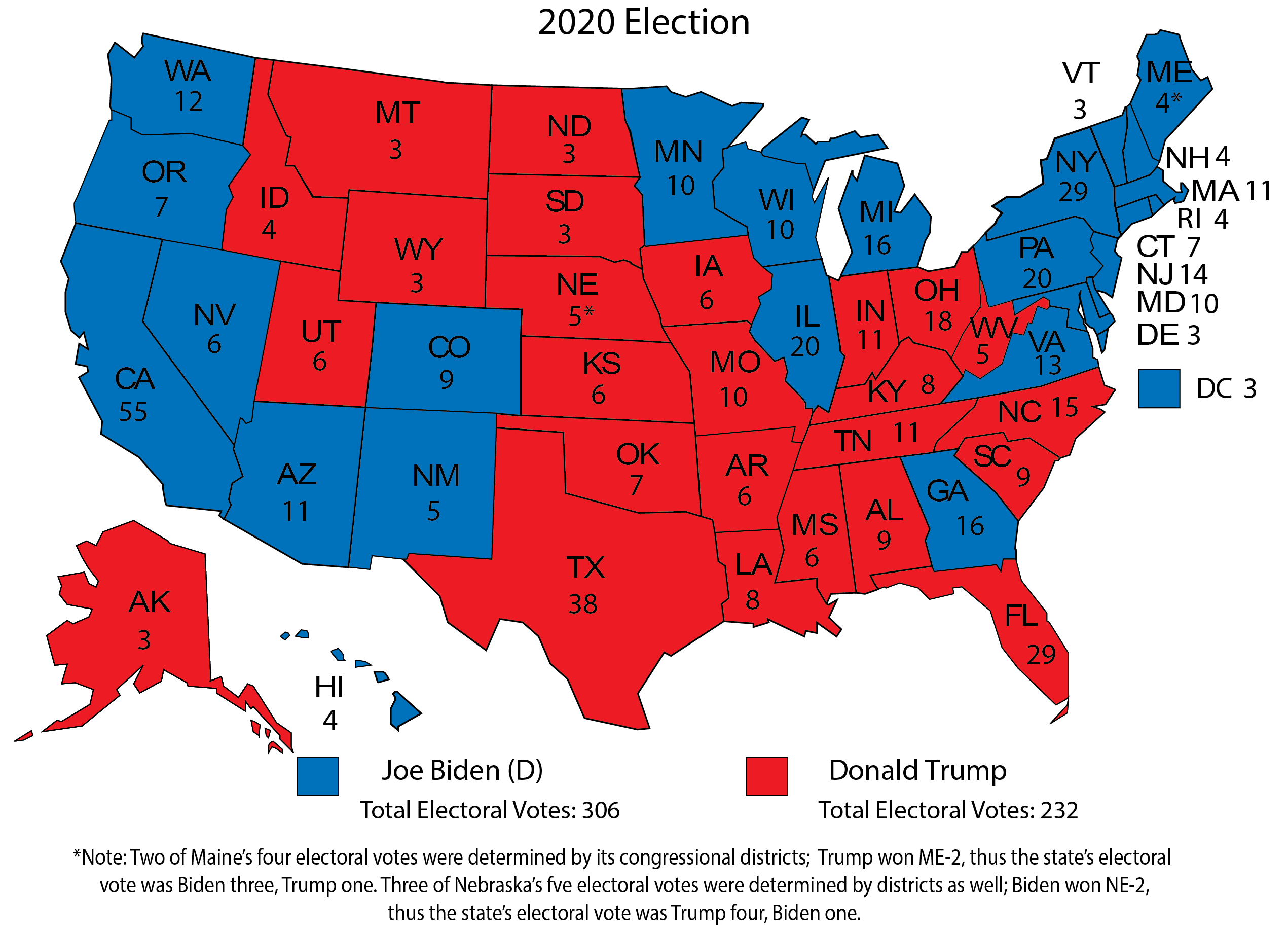
While 5 votes may appear modest when compared to states like California or Texas, the strategic value of these votes in a close national election cannot be overstated. Political enthusiasts traveling through the state often find that local discourse is highly engaged with national issues. Whether visiting the historic Old Town in Albuquerque or participating in cultural festivals in Las Cruces, one encounters a population that is deeply aware of its civic responsibilities and its role within the electoral framework.
The Intersection of History and Modernity
New Mexico’s transition from a Territory to the 47th state in 1912 was a long and complex process that culminated in its inclusion in the Electoral College system. Visitors interested in history often find the New Mexico State Capitol, known as the Roundhouse, to be a fascinating study in architectural and political evolution. It stands as a symbol of the state’s sovereignty and its integration into the American democratic experiment.
Future Projections and Demographic Shifts
The electoral standing of a state is never set in stone. As migration patterns continue to evolve, the cultural and political map of the American West undergoes subtle, yet profound, changes.
The Impact of Population Trends
Demographic growth in areas surrounding Santa Fe County and the expansion of urban hubs are monitored closely by political analysts. Should the population density increase significantly over the next few census cycles, it is possible that New Mexico could see a shift in its representative count. For the visitor, this highlights a state that is perpetually in flux, balancing its rich, deep-rooted traditions with the demands of a modern, growing population.
How Travelers Can Experience Local Governance
Those with an interest in the intersection of travel and politics might find it rewarding to:
- Visit the State Capitol Building during legislative sessions to observe local government in action.
- Explore local museums that document the state’s transition to statehood and its early involvement in national elections.
- Engage with the local press in Gallup or Silver City to gain insights into how the residents view their state’s influence in the larger electoral arena.

Reflections on a Unique State Identity
New Mexico is often celebrated for its distinct landscape, but its role in the Electoral College is a testament to its standing within the federal government. With 5 electoral votes, the state provides a vital contribution to the democratic process, ensuring that the voices of those residing in the high deserts and mountain ranges are represented in the halls of power in Washington DC.
Whether you are here to hike the trails of Carlsbad Caverns, study the prehistoric sites at Chaco Canyon, or simply enjoy the unique fusion of Native American, Hispanic, and Anglo cultures, the political weight of the state remains a fascinating aspect of its identity. As you travel through its majestic landscapes, remember that the 5 votes assigned to this state represent more than just a number; they represent the ongoing story of a state that continues to help shape the future of the nation. The Land of Enchantment serves not only as a beautiful destination for the curious traveler but also as a critical piece of the democratic puzzle that holds the United States of America together.
LifeOutOfTheBox is a participant in the Amazon Services LLC Associates Program, an affiliate advertising program designed to provide a means for sites to earn advertising fees by advertising and linking to Amazon.com. Amazon, the Amazon logo, AmazonSupply, and the AmazonSupply logo are trademarks of Amazon.com, Inc. or its affiliates. As an Amazon Associate we earn affiliate commissions from qualifying purchases.