
For many retirees and families looking to relocate, the allure of the American West is undeniable. With its sprawling landscapes, rugged peaks, and a lifestyle defined by outdoor freedom, Montana has become a primary destination for those seeking a change of pace. However, moving to a new state involves more than just selecting a home or finding the best recreational spots; it requires a deep understanding of the local financial landscape. One of the most common questions for prospective residents and estate planners is whether the state imposes an inheritance tax.
While the state is famous for Glacier National Park and the vast wilderness of the Rocky Mountains, its tax policies are equally significant for long-term planning. Understanding these laws is essential for those looking to preserve wealth while enjoying the lifestyle afforded by the Treasure State.
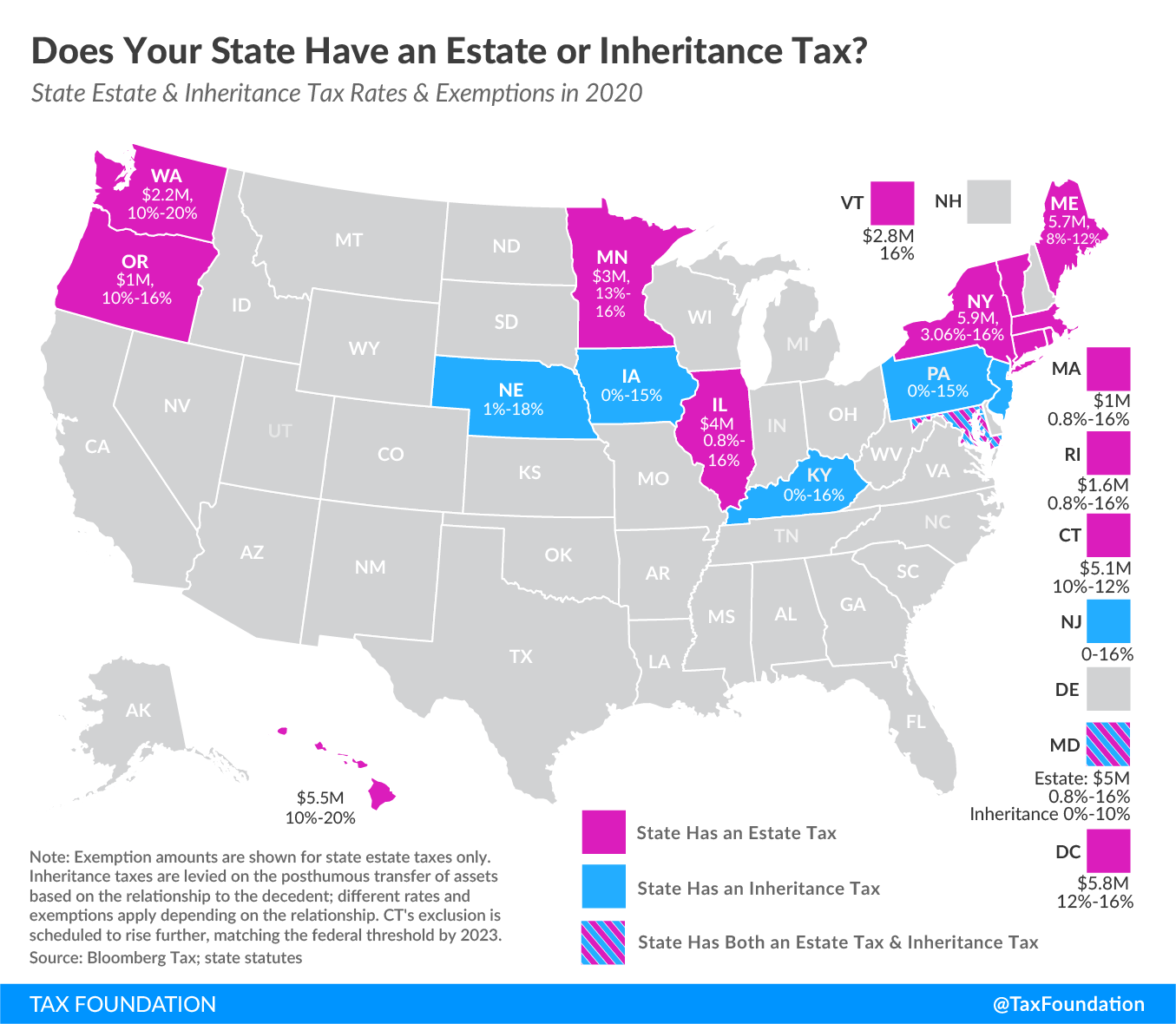
The Reality of Estate and Inheritance Taxes in Montana
Many newcomers are surprised to learn that Montana is a tax-friendly jurisdiction when it comes to the transfer of wealth. To clarify the distinction: an inheritance tax is a tax paid by the person who receives the money or property from an estate, while an estate tax is a tax on the estate itself before it is distributed.
No Inheritance Tax in the Treasure State
The state of Montana does not levy an inheritance tax on residents or non-residents who inherit property located within the state. Whether you are inheriting a family ranch near Bozeman or a modest home in Missoula, you will not face a state-level tax bill simply for the act of receiving your inheritance. This policy remains consistent regardless of the relationship between the decedent and the beneficiary.
Absence of a State-Level Estate Tax
Beyond the lack of inheritance tax, the state also does not impose a state-level estate tax. In some jurisdictions, estates are subject to “death taxes” that can significantly diminish the value of an inheritance before it reaches the heirs. Because the state decoupled its tax code from the federal estate tax system, families can plan their legacies without the looming concern of a double-taxation scenario at the state level.
Federal Considerations for Wealth Planning
While the state government chooses not to impose a tax on estates or inheritances, it is crucial to remain mindful of federal obligations. Federal tax law operates independently of state-level statutes, and for high-net-worth individuals, the federal estate tax remains a potential hurdle.
Understanding Federal Exemptions
The federal government does impose an estate tax, but only on the portion of an estate that exceeds the federal lifetime exemption limit. This limit is adjusted periodically for inflation. For most families, the value of their primary residence, retirement accounts, and personal belongings will remain well below this threshold.
When residents move to scenic areas like Big Sky or Whitefish, they often find that their total assets—including real estate appreciation—can grow substantially over time. It is important for individuals to conduct periodic reviews of their net worth to ensure they remain within the safe harbor of federal tax guidelines.

The Role of Step-Up in Basis
One of the most significant advantages of inheriting property, such as a family cabin near Flathead Lake, is the concept of a “step-up in basis.” Under current federal tax laws, when an individual inherits an asset, the cost basis of that asset is adjusted to its fair market value at the time of the previous owner’s death.
If you inherit property that has significantly appreciated since it was originally purchased, this rule can save your family a substantial amount in capital gains taxes if you choose to sell the asset later. Because the state does not impose its own income tax surcharges on capital gains in a way that targets inheritance, the federal step-up remains the primary mechanism for tax-efficient wealth transition.
Financial Planning for Life in the West
Choosing to establish a primary residence in Montana is often a decision based on quality of life. From the vibrant culture of Helena to the serene rivers surrounding Livingston, the state offers a unique environment for families. However, financial health is the bedrock upon which this lifestyle is built.
The Importance of Estate Documentation
Even in a state with no inheritance tax, creating a comprehensive estate plan is vital. Without a clear, legally binding will or trust, the distribution of your assets defaults to state-mandated laws of intestate succession. These laws may not align with your personal wishes regarding who receives specific heirlooms, real estate, or business interests.
Working with an estate planning attorney familiar with state-specific regulations ensures that your assets are protected and transferred efficiently. This is especially important for business owners or those with complex investment portfolios. Establishing a trust can help minimize probate costs and ensure that your family’s transition is as smooth as the landscape of the Yellowstone River.
Diversifying Asset Locations
Many people who move to the state maintain assets in other jurisdictions. It is vital to recognize that if you own property in a different state, you may still be subject to that state’s inheritance or estate tax laws. For example, if you reside in Billings but own a vacation home in a state that does impose inheritance tax, your beneficiaries may be liable for those taxes on that specific property.
Professional tax planning involves viewing your entire portfolio through a multi-jurisdictional lens. By keeping the bulk of your assets under the jurisdiction of the state, you capitalize on the absence of inheritance taxes while enjoying the high standard of living that Montana provides.

Conclusion: A Favorable Climate for Wealth Preservation
For individuals and families, the absence of an inheritance tax makes Montana an attractive destination for wealth management and long-term residency. By removing the burden of state-level death taxes, the state fosters an environment where families can pass down property, savings, and investments with greater ease.
Whether your journey brings you to the shadow of the Bridger Mountains or the quiet valleys of Paradise Valley, the lack of inheritance tax is a significant financial benefit that allows you to focus on what matters most. With proper federal planning, clear documentation, and a thorough understanding of your asset portfolio, you can ensure that your legacy is preserved for the next generation, allowing them to enjoy the same majestic horizons and community spirit that define this exceptional corner of the United States.
While the state government has simplified the inheritance process by opting out of these specific taxes, individual responsibility remains the key to effective estate management. Take the time to consult with experts who understand the nuances of the local tax landscape, and you will find that the state provides one of the most welcoming environments in the country for securing your family’s future.
LifeOutOfTheBox is a participant in the Amazon Services LLC Associates Program, an affiliate advertising program designed to provide a means for sites to earn advertising fees by advertising and linking to Amazon.com. Amazon, the Amazon logo, AmazonSupply, and the AmazonSupply logo are trademarks of Amazon.com, Inc. or its affiliates. As an Amazon Associate we earn affiliate commissions from qualifying purchases.