
The dream of trading the sprawling urban landscape of Los Angeles for the tranquil, sun-drenched shores of Hawaii is a quintessential American escape. Whether you are seeking the world-class surfing of Oahu, the lush volcanic landscapes of The Big Island, or the luxury resorts of Maui, understanding the distance is the first step in planning your Pacific odyssey. While the two destinations feel worlds apart in terms of culture and pace, they are connected by a vast stretch of the Pacific Ocean.
The Great Pacific Distance: Measuring the Journey
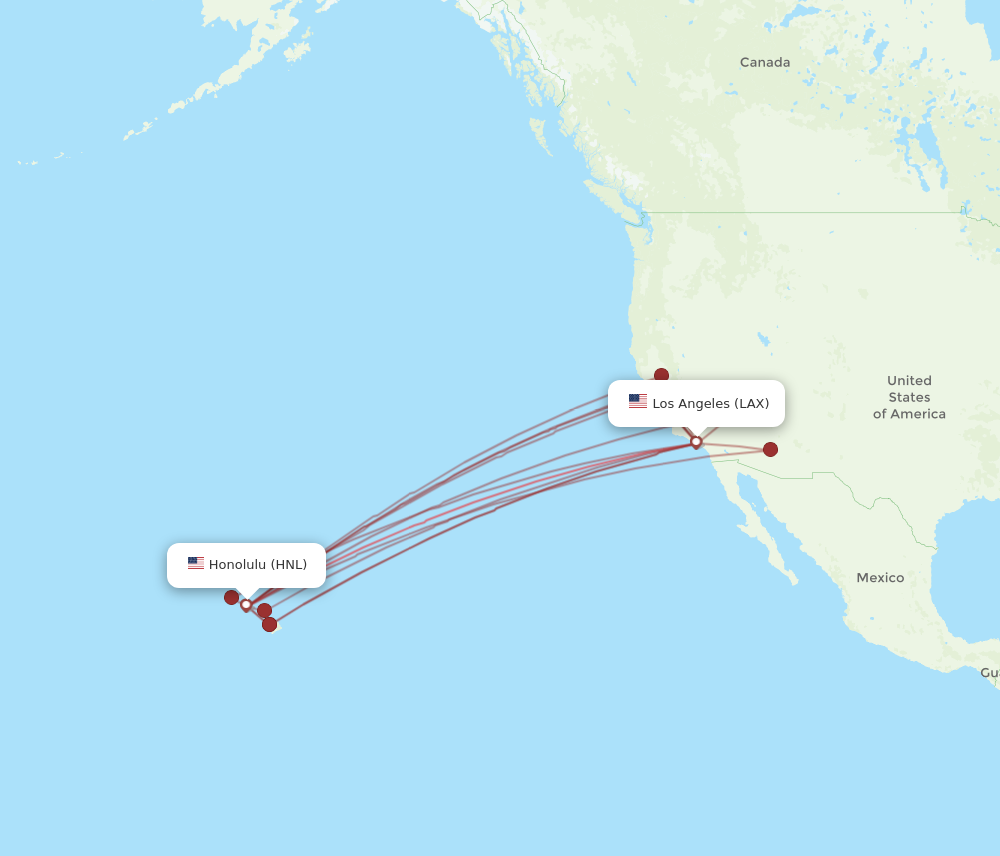
When travelers ask how many miles lie between Los Angeles International Airport and the islands, the answer depends slightly on which island you choose as your destination. Generally, the flight distance is roughly 2,500 miles.
Nautical Miles vs. Statute Miles
For aviation purposes, the distance is typically calculated in nautical miles, but for the average vacationer, statute miles are the standard unit of measurement. From California to the main hubs in the Hawaiian archipelago, you are traversing approximately 2,500 to 2,600 statute miles.
Why Flight Times Vary
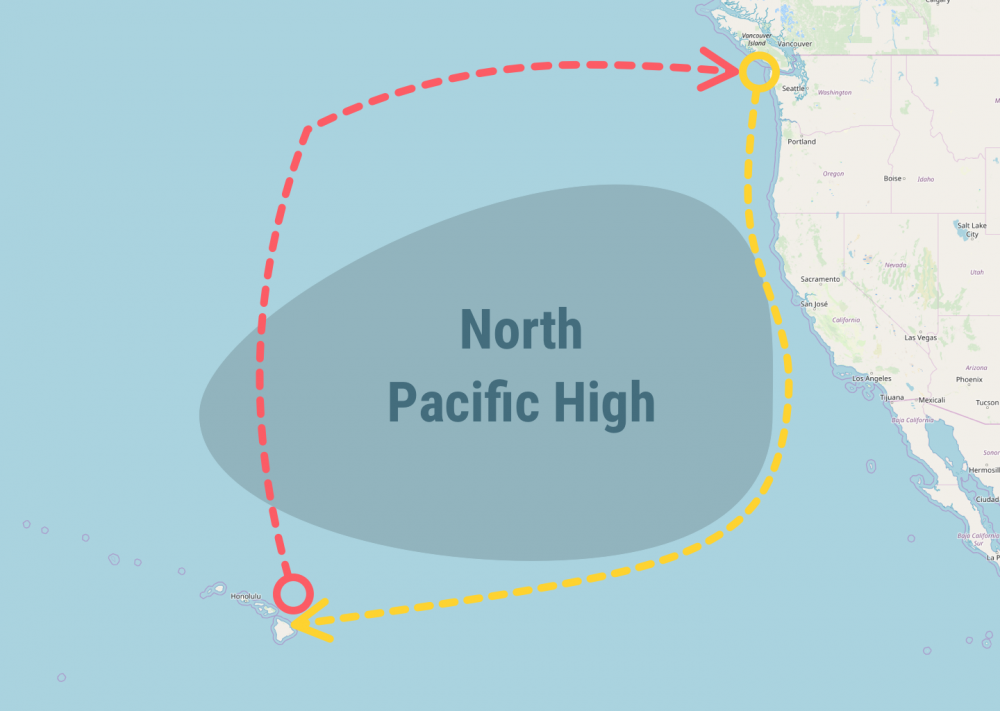
Despite the relatively fixed distance, flight durations can fluctuate based on prevailing wind patterns. A flight from the United States mainland to the islands usually takes about five to six hours due to headwind resistance. Conversely, the return trip from Honolulu back to Southern California often benefits from a tailwind, which can shave thirty to forty-five minutes off your total time in the air.
Planning Your Pacific Crossing
Traveling from one of the most populous cities in North America to the most isolated island chain on Earth requires preparation. Because you are crossing a significant time zone gap and a vast expanse of water, the logistics of your journey are as important as the destination itself.
Choosing Your Gateway
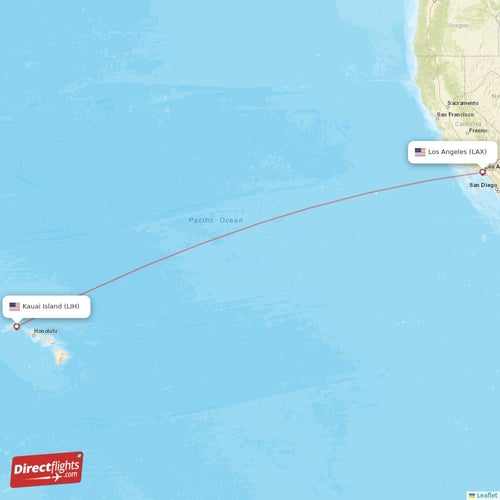
Most travelers depart from Los Angeles, which offers the highest frequency of non-stop flights to various islands. Major carriers operate daily routes, making the connection seamless. If your final destination is Kauai or Molokai, you may find that you need to connect through Honolulu first, which adds a brief inter-island hop to your itinerary.
The Experience of Trans-Pacific Travel
The flight itself is often the transition point where the stresses of mainland life begin to fade. As you leave the coastline of Santa Monica and Venice Beach behind, the blue expanse below serves as a reminder of the unique isolation of the islands. It is recommended to book your seat on the right side of the plane for flights heading west to catch the first glimpse of the volcanic peaks rising from the sea.
Comparing Destinations Within the Archipelago
While the distance from Los Angeles to Hawaii remains constant at roughly 2,500 miles, the “vibe” of your destination changes significantly once you arrive. Each island offers a distinct experience, shaped by its geography and tourism infrastructure.
The Big Island vs. Oahu
The Big Island is vast and offers diverse climates, ranging from snow-capped peaks at Mauna Kea to active lava flows at Hawaii Volcanoes National Park. It is an adventurer’s paradise. In contrast, Oahu provides a balance of urban convenience and natural wonder. You can spend your morning in the bustling streets of Waikiki and your afternoon snorkeling in the clear waters of Hanauma Bay.
The Charm of Kauai and Maui
For those seeking a slower pace, Kauai, often called the Garden Isle, offers breathtaking views of the Na Pali Coast. It is less commercialized and perfect for those who want to disconnect entirely from the mainland rhythm. Maui, on the other hand, offers the perfect blend of high-end resort living and nature, featuring the scenic Road to Hana and the sweeping vistas found at the summit of Haleakala National Park.
Essential Tips for the Long-Haul Traveler
Traveling across 2,500 miles of ocean is a significant journey, and comfort is paramount. Because you are essentially flying to a different climate zone, your packing strategy and in-flight habits should be optimized for the transition.
Jet Lag Management
The time difference between Los Angeles and the islands is three hours during standard time and two hours during daylight savings time. While this is not as severe as crossing the Atlantic Ocean, it is enough to affect your internal clock. Upon arrival, try to align your schedule with the local pace immediately—get some sun, stay hydrated, and enjoy a local meal to reset your rhythm.
Hydration and Comfort
The air inside long-haul aircraft is notoriously dry. During your five-plus hour flight, prioritize hydration. Pack a reusable water bottle and avoid excessive caffeine. Dress in layers; while Hawaii is famously warm year-round, the aircraft cabin temperature can be unpredictable.
Leveraging Your Time
The distance might seem daunting, but it is this very remoteness that keeps the islands special. By treating the flight as part of the vacation rather than just a chore, you can start your journey refreshed. Whether you are traveling for a quick weekend getaway or an extended retreat, the effort required to traverse those 2,500 miles is rewarded the moment you step off the plane and breathe in the warm, floral-scented air.
Ultimately, the distance from Los Angeles to the islands is a gateway to one of the most culturally rich and ecologically diverse regions in the Pacific Ocean. As you plan your departure from California, focus less on the miles and more on the transition from the bustling, energetic mainland to the serene, breathtaking beauty of the Hawaiian Islands. Whether you arrive in Honolulu or connect to one of the quieter islands, the realization of your travel goals begins the moment you lift off from Los Angeles International Airport.
LifeOutOfTheBox is a participant in the Amazon Services LLC Associates Program, an affiliate advertising program designed to provide a means for sites to earn advertising fees by advertising and linking to Amazon.com. Amazon, the Amazon logo, AmazonSupply, and the AmazonSupply logo are trademarks of Amazon.com, Inc. or its affiliates. As an Amazon Associate we earn affiliate commissions from qualifying purchases.