
For decades, New York has held a near-mythic status in the global imagination. It is the city that never sleeps, a sprawling metropolis of grit, glamour, ambition, and endless discovery. Yet, for every traveler dreaming of the neon glow of Times Square or the quiet winding paths of Central Park, there lingers a pragmatic question: Is the city safe? While headlines can often paint a chaotic picture, the reality for the millions of tourists who visit annually is far more nuanced. Understanding the safety profile of the Big Apple requires peeling back the layers of statistics to reveal a city that is not only welcoming but remarkably well-managed for the average visitor.

Navigating the Urban Landscape: Perception vs. Reality
When considering safety in a major global hub like New York City, it is essential to distinguish between the lived experience of residents and the transient nature of tourism. Historically, the city has evolved from the high-crime eras of the late 20th century into one of the safest large cities in the United States.
The Importance of Situational Awareness
Like any densely populated metropolis, crime does exist, but it is overwhelmingly concentrated in specific neighborhoods and circumstances that rarely intersect with the typical tourist itinerary. Most incidents involving visitors are non-violent—petty theft or scams—rather than personal threats. The best tool in any traveler’s arsenal is standard urban awareness: keeping your bag zipped, staying mindful of your phone in crowded areas, and avoiding isolated or poorly lit streets late at night.
Why Tourist Zones Remain Highly Monitored
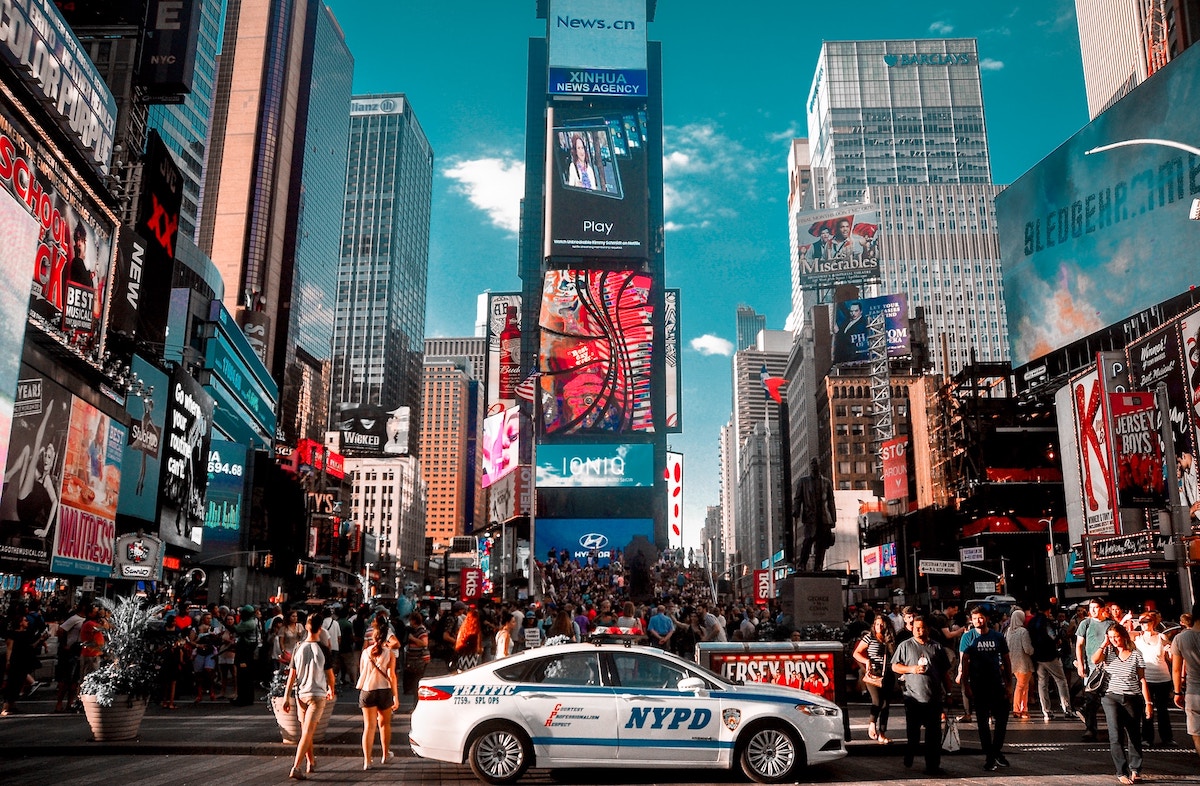
The areas most frequented by tourists—such as Midtown Manhattan, the Theater District, and the Financial District—benefit from an extremely high density of New York City Police Department (NYPD) presence. In these high-traffic corridors, the sheer volume of people serves as a natural deterrent to crime. You are rarely truly “alone” in these spaces, which adds a layer of passive security that many travelers find comforting.
Public Transit and Mobility Safety
The New York City Subway is the nervous system of the city, moving millions of people daily across Manhattan, Brooklyn, Queens, and beyond. For many first-time visitors, the subterranean world of the subway feels intimidating, but statistically, it is a safe mode of transport.
Riding the Subway Like a Local
The primary key to subway safety is utilizing common sense. During peak hours, the cars are filled with commuters, making them extremely safe. Late at night, travelers are encouraged to wait in designated “off-hours waiting areas” marked on platforms, which are monitored by cameras and are often closer to the station entrance or booth. If you ever feel uncomfortable in a particular train car, simply move to one closer to the conductor’s booth or wait for the next train.
Walking and Taxis
New York is an exceptionally walkable city. In neighborhoods like SoHo, Greenwich Village, and Williamsburg, the streets are alive with activity well into the night. If you feel tired or hesitant about walking in the dark, rideshare apps and the iconic yellow cabs are omnipresent and offer a door-to-door transit option that is both efficient and highly regulated.
Neighborhood Considerations: Where to Explore
One of the great joys of visiting New York is the diversity of its boroughs. While most areas are welcoming, some general knowledge of the local geography goes a long way in ensuring a stress-free trip.
The Tourist-Friendly Core
If you are planning to spend your time near iconic landmarks like the Empire State Building, the Rockefeller Center, or Grand Central Terminal, you are operating within zones that are optimized for public safety. These areas are brightly lit, heavily patrolled, and designed to manage high volumes of pedestrian traffic.
Exploring Beyond the Guidebooks
It is a mistake to believe that only the most commercial zones are safe. Neighborhoods such as Park Slope in Brooklyn or Upper West Side in Manhattan are residential, peaceful, and offer a more authentic look at life in the city. When exploring outside the primary tourist grid, the rules remain the same: look confident, stay aware of your surroundings, and avoid walking through dark, deserted areas. If you are ever unsure about a neighborhood, ask your hotel concierge or a local business owner; they are typically happy to provide guidance on the local vibe.
Essential Safety Tips for Your Stay
Safety in a city as vibrant as New York is less about avoiding the city and more about practicing proactive habits.
- Keep Belongings Close: Pickpocketing can occur in high-traffic spots like Penn Station or Port Authority Bus Terminal. Use cross-body bags with zippers and keep your wallet in your front pocket.
- Stay Connected: Ensure your phone is fully charged before a long day of sightseeing. Having a map, a translation app, and a ride-sharing service ready at your fingertips provides peace of mind.
- Trust Your Gut: If a street corner or a particular crowd feels “off” to you, do not hesitate to turn around or cross the street. You are the best judge of your own comfort level.
- Emergency Services: Remember that 911 is the universal number for police, fire, or medical emergencies. The City of New York provides a comprehensive emergency response system that is highly efficient.
- Use Official Information: Rely on reputable travel sources and official government websites rather than anecdotal horror stories shared on social media.

Conclusion: Embracing the Energy of the City
Is New York safe to travel? The definitive answer is yes. While no major city is entirely free of risk, New York’s reputation as a dangerous place is largely a relic of the past that does not reflect the vibrant, bustling, and highly policed reality of today. By exercising the same level of street smarts you would apply in any other major global destination—such as London, Paris, or Tokyo—you can navigate the five boroughs with confidence.
The city is a tapestry of cultures, history, and unparalleled energy. From the art galleries of Chelsea to the historic streets of Lower Manhattan, the rewards of visiting far outweigh the negligible risks of urban travel. Prepare your itinerary, pack your walking shoes, and get ready to experience one of the greatest cities on Earth. The lights of Broadway are waiting, and the city is ready to welcome you.
LifeOutOfTheBox is a participant in the Amazon Services LLC Associates Program, an affiliate advertising program designed to provide a means for sites to earn advertising fees by advertising and linking to Amazon.com. Amazon, the Amazon logo, AmazonSupply, and the AmazonSupply logo are trademarks of Amazon.com, Inc. or its affiliates. As an Amazon Associate we earn affiliate commissions from qualifying purchases.