
Understanding the population dynamics of New Mexico is essential for anyone planning an extensive trip to this culturally rich region of the United States. As of the most recent census data and subsequent projections, the population of the “Land of Enchantment” hovers around 2.1 million residents. While this figure might seem modest compared to the sprawling metropolises of the East Coast, it is exactly this population density—or lack thereof—that defines the state’s unique appeal. For the traveler, these numbers reveal why New Mexico remains one of the few places where you can truly escape the crowds, find solitude in the high desert, and connect with deep-rooted traditions that have persisted for centuries.
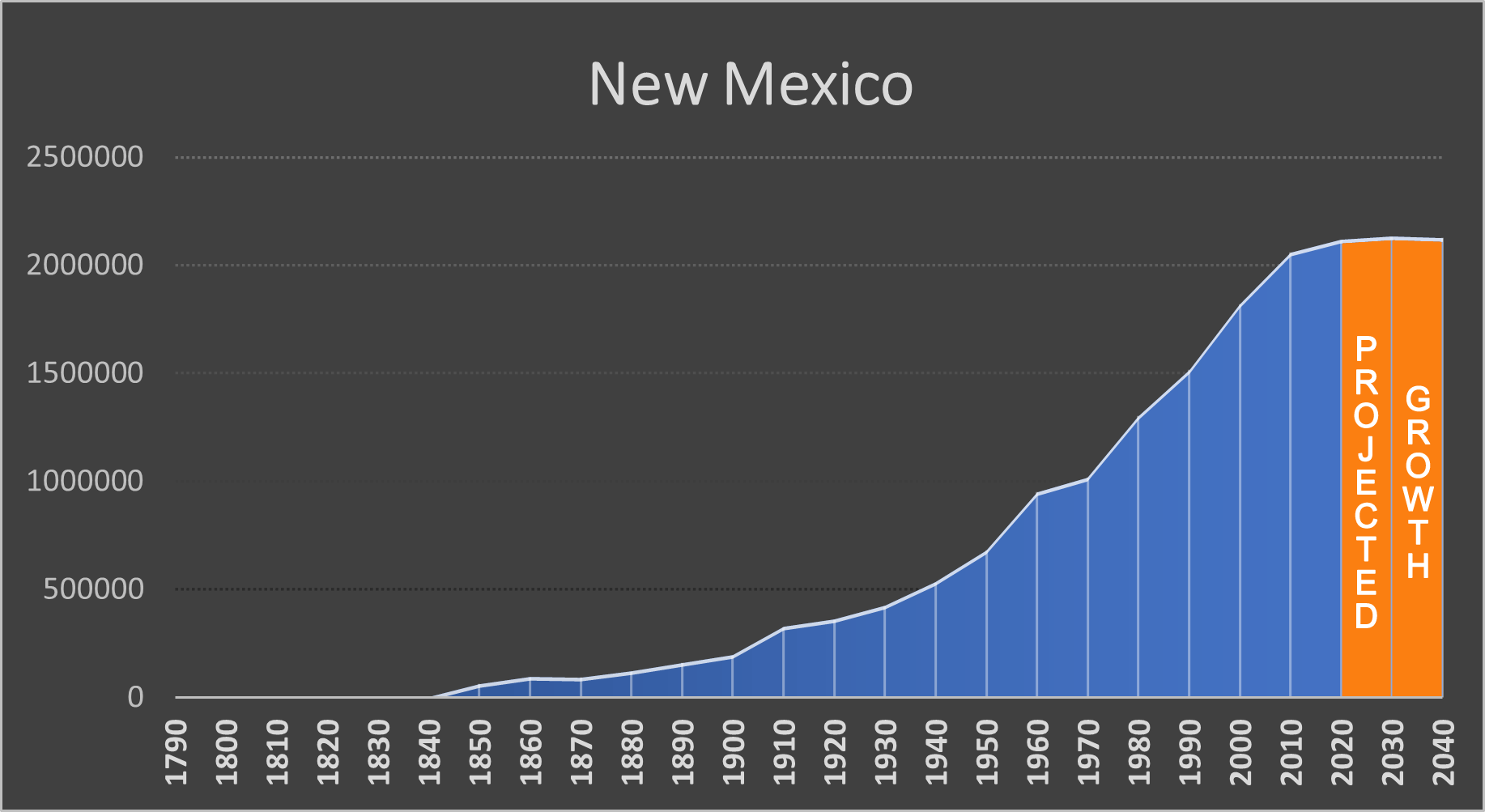
The Distribution of People and Places
While the state’s total population is spread across more than 121,000 square miles, the reality of human settlement is concentrated in specific corridors. Understanding where these people live helps travelers determine where the infrastructure, museums, and fine dining options are most robust, versus where to head for true off-the-grid adventure.
The Central Corridor
The majority of the state’s residents live along the Rio Grande, a vital artery that has sustained life in this arid landscape for millennia. Albuquerque, the state’s largest city, is the primary economic hub, housing nearly a third of the state’s population. Because of this concentration, visitors will find the most abundant hotel inventory, world-class restaurants, and international travel connectivity here. Further north, Santa Fe maintains a smaller, more refined population. While it is the cultural capital, it feels significantly more intimate, acting as a gateway for travelers looking to explore the surrounding pueblos and high mountain trails.
The Southern Plains and Mesas
Moving away from the central corridor, the population thins out significantly. Las Cruces, located in the southern part of the state, represents a vital, growing community influenced by its proximity to the border and Texas. Here, the pace of life slows, and the focus shifts toward agricultural heritage and expansive desert vistas. For the traveler, this region offers a chance to experience a different side of the state, one less curated for tourists and more reflective of the daily realities of life in the Chihuahuan Desert.
Population Density as a Travel Asset
For those accustomed to the dense, frantic energy of major global cities, the low population density of New Mexico is perhaps its greatest luxury. With roughly 17 people per square mile, the state offers a rare opportunity to experience landscapes that feel entirely untouched by modern industry.
Seeking Solitude in Nature
When you travel through places like White Sands National Park or the rugged terrain of the Gila National Forest, the lack of human development becomes an immersive experience. The silence is profound. Unlike popular national parks in other states that require timed entry and face constant overcrowding, the expansive nature of New Mexico ensures that you can hike for hours without encountering another soul. This demographic reality is a boon for photographers, stargazers, and hikers who prioritize peace and authenticity over convenience.

The Impact on Cultural Tourism
The lower population count also means that local cultures have remained remarkably intact. In the northern reaches of the state, specifically around Taos, traditional ways of life are not just preserved for the sake of tourism—they are practiced by the residents who have lived there for generations. The Taos Pueblo stands as a testament to this, where the architecture and community structures have remained largely unchanged for hundreds of years. The smaller population prevents the mass-market commercialization that often dilutes the cultural identity of more densely populated tourist destinations.
Navigating the State Based on Population Trends
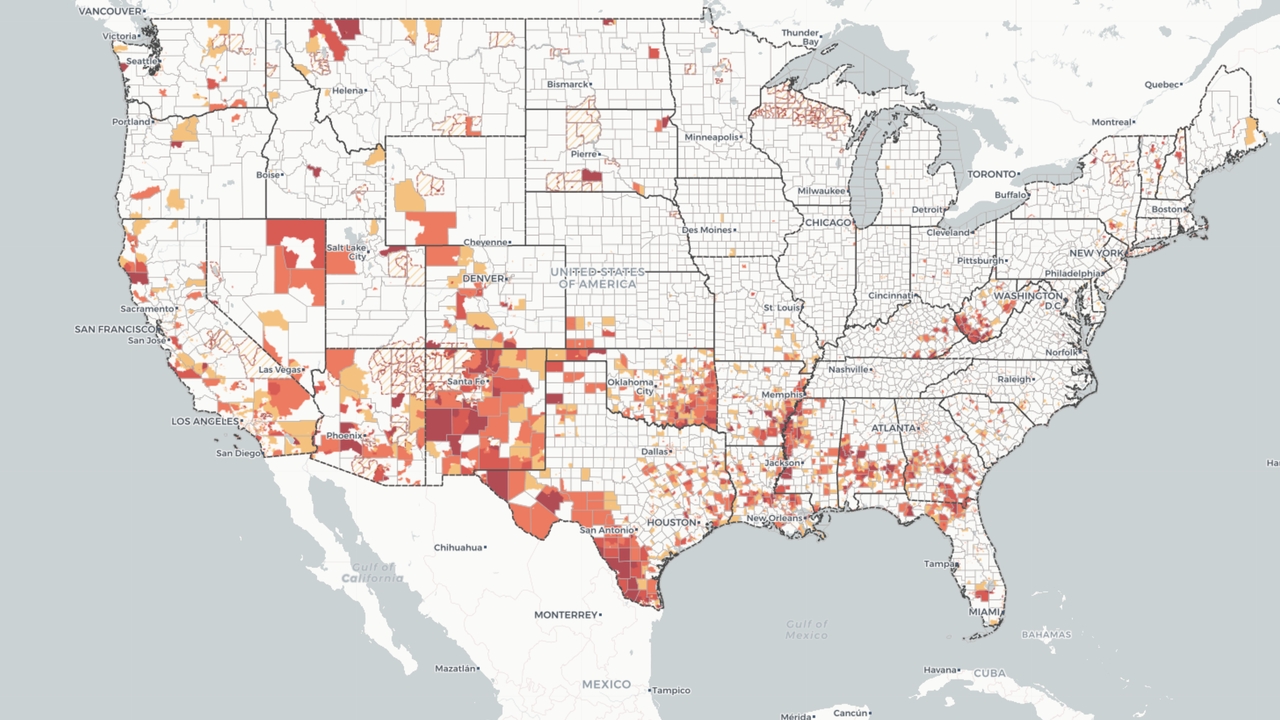
When planning your itinerary, it is helpful to use the population map as a guide for your travel style. Whether you are seeking a high-luxury resort experience or a rustic, remote adventure, the number of people in a given area often dictates the level of services available.
Urban Conveniences vs. Rural Charm
In the population centers like Albuquerque, you can expect to find a wide array of amenities. This is where you will locate luxury hotels, sophisticated fine-dining establishments, and the Albuquerque International Sunport, which serves as the primary gateway for international and domestic visitors. It is an ideal starting point for those who want to acclimate to the high altitude and rich cultural history before venturing out into the more remote regions.
Conversely, when traveling to sparsely populated areas such as the Chaco Culture National Historical Park, visitors must be prepared for the lack of services. In these areas, the “population” is essentially non-existent, meaning that lodging, food, and fuel must be secured well in advance. This is the realm of the seasoned traveler, where self-reliance is part of the charm. The trade-off is the ability to witness ancient astronomical alignments and perfectly preserved ruins in complete isolation, a luxury that simply does not exist in more densely populated regions of the world.
Seasonal Shifts and Population
It is also worth noting that the “effective” population of New Mexico often swells during certain times of the year. The Albuquerque International Balloon Fiesta is a prime example, where the city’s population feels as if it has doubled overnight. During these periods, the infrastructure—from roads to hotel occupancy—is stretched to its limits. Travelers should be aware that while the baseline population is low, the tourism industry is quite vibrant, and major events can drastically alter the atmosphere of the state’s key hubs.
Embracing the “Land of Enchantment”
Ultimately, the number of people in New Mexico is a secondary concern to the vast, open-ended potential the state provides to its visitors. Whether you find yourself in the bustling artist enclave of Santa Fe or wandering the high plains near Roswell, you are always in a place defined by its space.
This state is not about how many people you meet, but rather the quality of the interactions you have with the environment and the local inhabitants. It is a place that rewards the patient traveler—the one who takes the time to drive the backroads between the small towns, stop at the local diners, and appreciate the immense, sky-dominating vistas that define the region. By keeping the population numbers in mind, you can effectively balance your desire for modern comfort with your quest for true wilderness, ensuring that your journey through New Mexico is as fulfilling as the landscape itself. The low population density is not an indicator of a lack of interest, but rather a preservation of a way of life that values the horizon, the history of the earth, and the quiet dignity of the desert.
LifeOutOfTheBox is a participant in the Amazon Services LLC Associates Program, an affiliate advertising program designed to provide a means for sites to earn advertising fees by advertising and linking to Amazon.com. Amazon, the Amazon logo, AmazonSupply, and the AmazonSupply logo are trademarks of Amazon.com, Inc. or its affiliates. As an Amazon Associate we earn affiliate commissions from qualifying purchases.