
The transition from the sweltering heat of a concrete-jungle summer to the crisp, biting air of winter is one of the most transformative experiences in New York City. For visitors and residents alike, knowing exactly when the temperature begins to drop is essential for planning a trip, packing the right wardrobe, and capturing the city at its most photogenic. While the weather in this metropolis is famously unpredictable, the seasonal shift follows a general rhythm that defines the urban experience.
The Seasonal Transition: From Indian Summer to First Frost
While the calendar marks the official beginning of autumn in late September, the actual sensation of “cold” in New York City is a gradual arrival rather than an overnight event.

Late September and Early October
During late September, the city lingers in a state of grace. The humidity of August has evaporated, replaced by the mild, golden sunlight that makes walking through Central Park a sensory delight. Temperatures typically hover in the 60s and 70s Fahrenheit. You won’t need a heavy coat here, but you will certainly notice the evening air beginning to hold a slight chill, signaling that the sweaters should be pulled from storage.
Mid-to-Late October: The Real Shift
If you are looking for the moment the air truly turns crisp, look toward mid-October. This is the period when the morning commute starts to feel brisk. As the sun sets earlier, the warmth of the day dissipates rapidly. By the time you find yourself crossing the Brooklyn Bridge around sunset, a light jacket or a trench coat shifts from being an accessory to a necessity. The average daily high starts to dip into the 50s, and the biting wind that New York City is famous for begins to make its presence felt.
Navigating the November Deep Freeze
By the time November arrives, the “autumnal” feeling has largely vanished, replaced by the distinct onset of pre-winter weather. This is arguably the most dynamic month for weather-watchers in the region.
The Thanksgiving Threshold
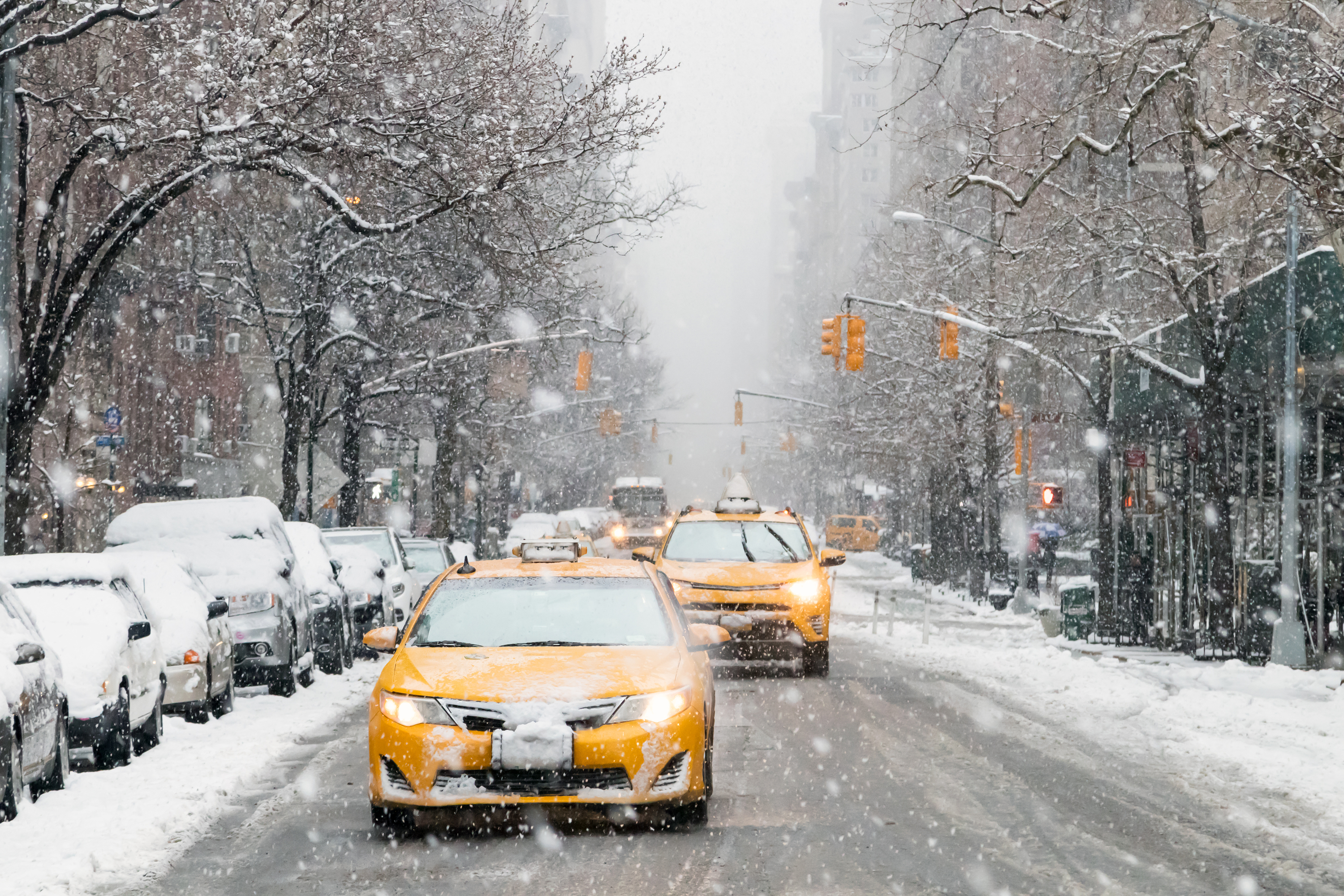
The week of Thanksgiving is often cited by locals as the definitive demarcation line for cold weather. It is common for the temperature to plunge into the 30s and 40s during this time. The famous Macy’s Thanksgiving Day Parade serves as a litmus test for the weather; spectators lining the streets of Manhattan often find themselves bundled in scarves, gloves, and heavy wool coats.

Adapting Your Travel Plans
If you are planning to visit during this late-autumn window, it is vital to prepare for the “wind tunnel” effect caused by the skyscrapers in Midtown Manhattan. The architecture of the city funnels cold air down the avenues, meaning that a 40-degree day can feel significantly colder if you are standing on a street corner waiting for a taxi or taking a walking tour near Times Square.
The Importance of Layering for Urban Explorers
Because the temperature can swing by 20 degrees between sunrise and the afternoon sun, the golden rule of New York City travel is the art of layering.
Strategic Packing for Autumnal Travel
When visiting landmarks like the Empire State Building or Rockefeller Center, you will be moving between the outdoor elements and climate-controlled interiors.
- Base Layers: Thin, breathable thermal tops are excellent for long days of sightseeing.
- The Outer Shell: A wind-resistant, water-repellent jacket is far more useful than a heavy, bulky parka in October.
- Footwear: As the ground temperature drops, insulated boots become far more comfortable than canvas sneakers, especially if you plan on walking through High Line park.
Managing Internal Temperature
Many of the city’s older buildings, including those near Wall Street or within the historic neighborhoods of Greenwich Village, use steam heating systems that can make indoor spaces quite warm. Being able to strip off a layer quickly is as important as having the gear to withstand the cold outside.
Seasonal Events and the Cold
The arrival of the cold isn’t just a meteorological event; it is the starting gun for the city’s most vibrant social season. Once the thermometer dips, the city leans into the cozy aesthetic that makes New York City world-renowned.
Ice Skating and Holiday Lights
Once the cold weather settles in for good by late November, the city transforms. The opening of the ice rinks, such as the famous rink at Bryant Park, marks the official acceptance of winter. The cold air is the necessary catalyst for the holiday spirit that takes over the streets. Without the bite of the wind, the hot chocolate sold near the Fifth Avenue displays wouldn’t taste half as good.
Cultural Shifts
When the temperature drops, the local culture shifts from outdoor rooftop bars to intimate jazz clubs and basement cafes. Whether you are catching a show near Broadway or exploring the galleries in Chelsea, the cold provides the perfect excuse to dive into the rich indoor culture that the city offers. By mid-December, when the winter chill is firmly entrenched, the city feels less like a tourist destination and more like a cozy, vibrant home.
Ultimately, “getting cold” in New York City is a process of refinement. It begins with the crisp, pleasant air of early October and concludes with the brisk, bracing winds of late November. For those who prepare with the right wardrobe and a sense of adventure, this shift in weather offers the best of the city: lower crowds at the Statue of Liberty, the beautiful fall foliage of Prospect Park, and the incomparable magic of a city preparing for the winter holidays. By understanding these seasonal rhythms, you can ensure that every moment of your journey through the five boroughs is comfortable, efficient, and thoroughly enjoyable, regardless of what the mercury says.
LifeOutOfTheBox is a participant in the Amazon Services LLC Associates Program, an affiliate advertising program designed to provide a means for sites to earn advertising fees by advertising and linking to Amazon.com. Amazon, the Amazon logo, AmazonSupply, and the AmazonSupply logo are trademarks of Amazon.com, Inc. or its affiliates. As an Amazon Associate we earn affiliate commissions from qualifying purchases.