
When travelers journey through the rugged, sun-drenched landscapes of New Mexico, the scenery is defined by more than just its iconic red-rock mesas and high-desert plateaus. Among the sparse vegetation and resilient flora that characterize this southwestern jewel, one tree stands out as a symbol of endurance, utility, and historical significance. The state tree of New Mexico is the Piñon Pine, a tree that has woven itself into the very fabric of regional culture and ecology.
A Symbol of Resilience: The Piñon Pine
The Piñon Pine (Pinus edulis) is far more than a simple botanical specimen; it is a survivor. Thriving in the semi-arid climates of the American Southwest, these trees typically grow at elevations ranging from 4,500 to 7,500 feet. Unlike the towering, majestic conifers found in the Rocky Mountains, the Piñon Pine is modest in stature, often reaching only 10 to 20 feet in height with a rounded, bushy crown.
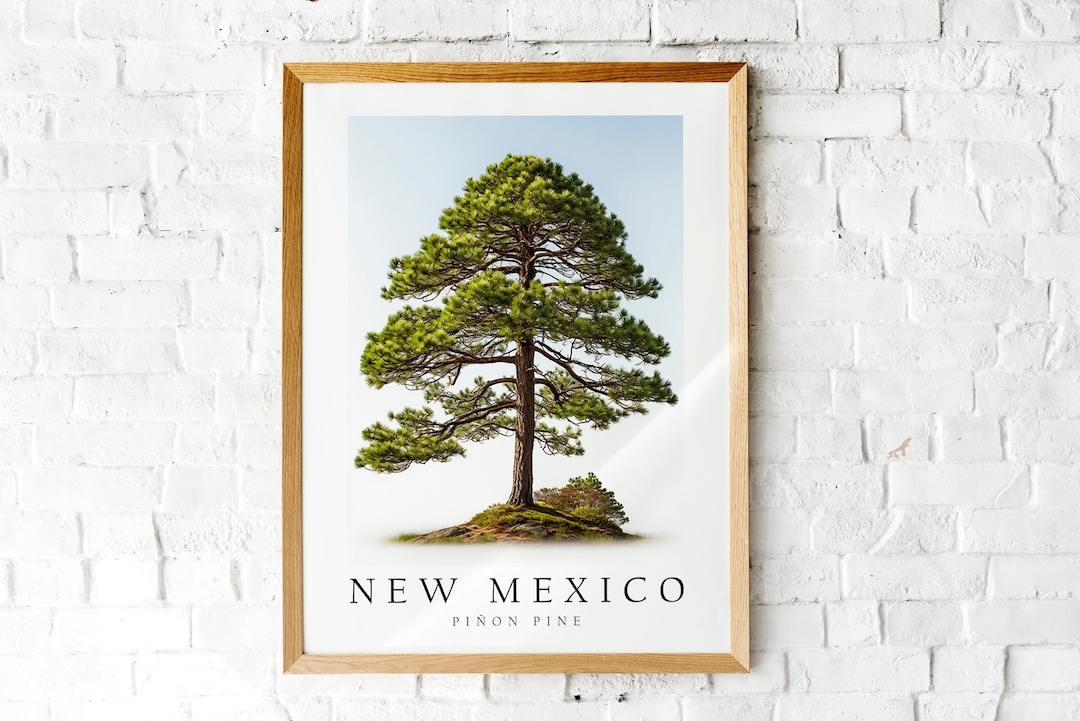
Its designation as the official state tree in 1949 was a recognition of its deep historical roots within the region. For centuries, the tree provided essential resources to the Ancestral Puebloans and subsequent indigenous groups, including the Navajo and the Apache. The tree’s ability to withstand extreme temperature fluctuations and survive on minimal moisture mirror the resilient spirit of the people who call New Mexico home.
Botanical Characteristics and Habitat
The Piñon Pine is characterized by its short, stiff needles that usually grow in bundles of two. Its bark is thin and scaly, and its root system is impressively expansive, allowing it to seek out water in rocky, nutrient-poor soil. These trees are often found in “pinyon-juniper woodlands,” a common ecological zone stretching across much of New Mexico, Arizona, and Colorado.
These woodlands are essential for biodiversity, providing habitat for various wildlife, including Mule Deer, Wild Turkeys, and the Piñon Jay. The symbiotic relationship between the jay and the tree is particularly fascinating; the birds harvest the seeds for food while inadvertently planting them across the landscape, ensuring the forest’s future regeneration.
Cultural and Culinary Significance
The heartbeat of New Mexico is tied to the bounty provided by the Piñon Pine. The most notable contribution of this tree to local culture is the piñon nut, a small but incredibly rich and flavorful seed.

The Harvest of the Piñon Nut
For indigenous communities and later settlers in Santa Fe and Taos, the piñon nut was—and remains—a critical food source. Harvesting these nuts is a labor-intensive, time-honored tradition that brings families together during the autumn months. The nuts must be carefully gathered, often from the ground after they have dropped from the cones, or harvested directly from the cones if they are still sealed.
Today, piñon nuts are a staple ingredient in New Mexican cuisine. From piñon-infused coffee to roasted nuts used in desserts and traditional savory dishes, the unique, buttery flavor of the piñon nut is synonymous with the culinary identity of the region. Visitors traveling to Albuquerque or small mountain villages will often find artisanal goods featuring this local treasure, highlighting the deep connection between the land and the table.
Fuel and Craft
Beyond nutrition, the wood of the Piñon Pine has been utilized for generations as the preferred fuel for heating and cooking. When burned, piñon wood emits a distinct, aromatic, and resinous scent that is instantly recognizable to anyone who has spent a winter evening in New Mexico. This fragrance is a hallmark of the high-desert experience, often wafting through the streets of Las Cruces or Gallup on a crisp, cold night. Additionally, the resin produced by the tree has historically been used for medicinal purposes, waterproofing baskets, and as an adhesive.
Exploring the Landscapes of the Piñon Pine
For the modern traveler, exploring the terrain where the Piñon Pine thrives offers a deeper understanding of the state’s natural heritage. Whether you are hiking through Bandelier National Monument or driving through the high-desert corridors of Northern New Mexico, these trees are constant, comforting companions.
Conservation and Stewardship
As climate change impacts the American Southwest, the Piñon Pine faces significant challenges, including prolonged droughts and the spread of bark beetles. Conservation efforts are currently underway across New Mexico to protect these woodlands. Organizations work to monitor forest health and ensure that the delicate balance of the high-desert ecosystem remains intact for future generations.
Visitors are encouraged to practice “Leave No Trace” principles when exploring these areas. By staying on marked trails, such as those found in Chaco Culture National Historical Park, travelers help reduce soil erosion and protect the root systems of these sensitive trees. Understanding the role of the Piñon Pine in maintaining the stability of the land is a vital part of responsible tourism.

A Living Connection
The Piñon Pine serves as a bridge between the past and the present. It links the ancient history of Pueblo civilizations to the vibrant, modern culture found in cities like Santa Fe. When you sit beneath the shade of a piñon tree, watching the sunset over the Sandia Mountains, you are experiencing the same landscape that has defined New Mexico for millennia.
Whether you are here for the world-class art galleries, the spiritual significance of ancient ruins, or the adventurous spirit of the High Desert, take a moment to look for the state tree. Notice its gnarled trunk, its aromatic needles, and the way it clings to the rocky earth. It is a quiet testament to the enduring beauty of New Mexico—a tree that survives, provides, and persists in one of the most stunning environments in the United States.
By appreciating the Piñon Pine, travelers gain more than just a piece of trivia; they gain a deeper respect for the natural landmarks that make New Mexico a truly unique destination. So, the next time you find yourself trekking the high trails or enjoying the smoke of a piñon fire, remember the tree that symbolizes the strength and tradition of this incredible state.
LifeOutOfTheBox is a participant in the Amazon Services LLC Associates Program, an affiliate advertising program designed to provide a means for sites to earn advertising fees by advertising and linking to Amazon.com. Amazon, the Amazon logo, AmazonSupply, and the AmazonSupply logo are trademarks of Amazon.com, Inc. or its affiliates. As an Amazon Associate we earn affiliate commissions from qualifying purchases.