
Many travelers flock to the mid-Pacific dreaming of endless summer, but understanding the nuance of seasons in Hawaii is essential for planning the perfect getaway. While the islands are famously known for having only two distinct seasons—Kau and Ho‘oilo—the reality of the weather, ocean conditions, and tourism cycles is far more complex. Whether you are aiming for the best surf on the North Shore or seeking quiet solitude on the lush cliffs of Kauai, knowing when to go can transform your experience.
The Two Seasons: Kau and Ho‘oilo
In traditional Hawaiian culture, the year is divided into two primary segments based on the sun, the wind, and the rain. This ancestral knowledge remains the most accurate way to understand the rhythm of the archipelago.
Kau: The Dry Season
Lasting from approximately May to October, Kau is the season of the sun. During these months, the trade winds are consistent and cooling, keeping the humidity levels manageable across the islands. Temperatures average between 75°F and 88°F, making it the ideal window for those who plan to spend their days exploring Waikiki Beach or hiking the rugged trails of Oahu. The ocean remains relatively calm on the northern shores, which makes the water exceptionally clear for snorkeling and diving.
Ho‘oilo: The Wet Season
From November to April, the islands transition into Ho‘oilo. This is the period characterized by cooler temperatures, which usually hover between 65°F and 80°F, and a higher frequency of rainfall. However, “wet” is a relative term in Hawaii. While the windward sides of Maui or The Big Island might experience frequent showers, the leeward sides, such as Kona, often remain sunny and dry. This season is vital for the lush, emerald-green landscapes that make the islands famous, as it provides the necessary moisture for the tropical foliage to thrive.
Weather Dynamics and Microclimates
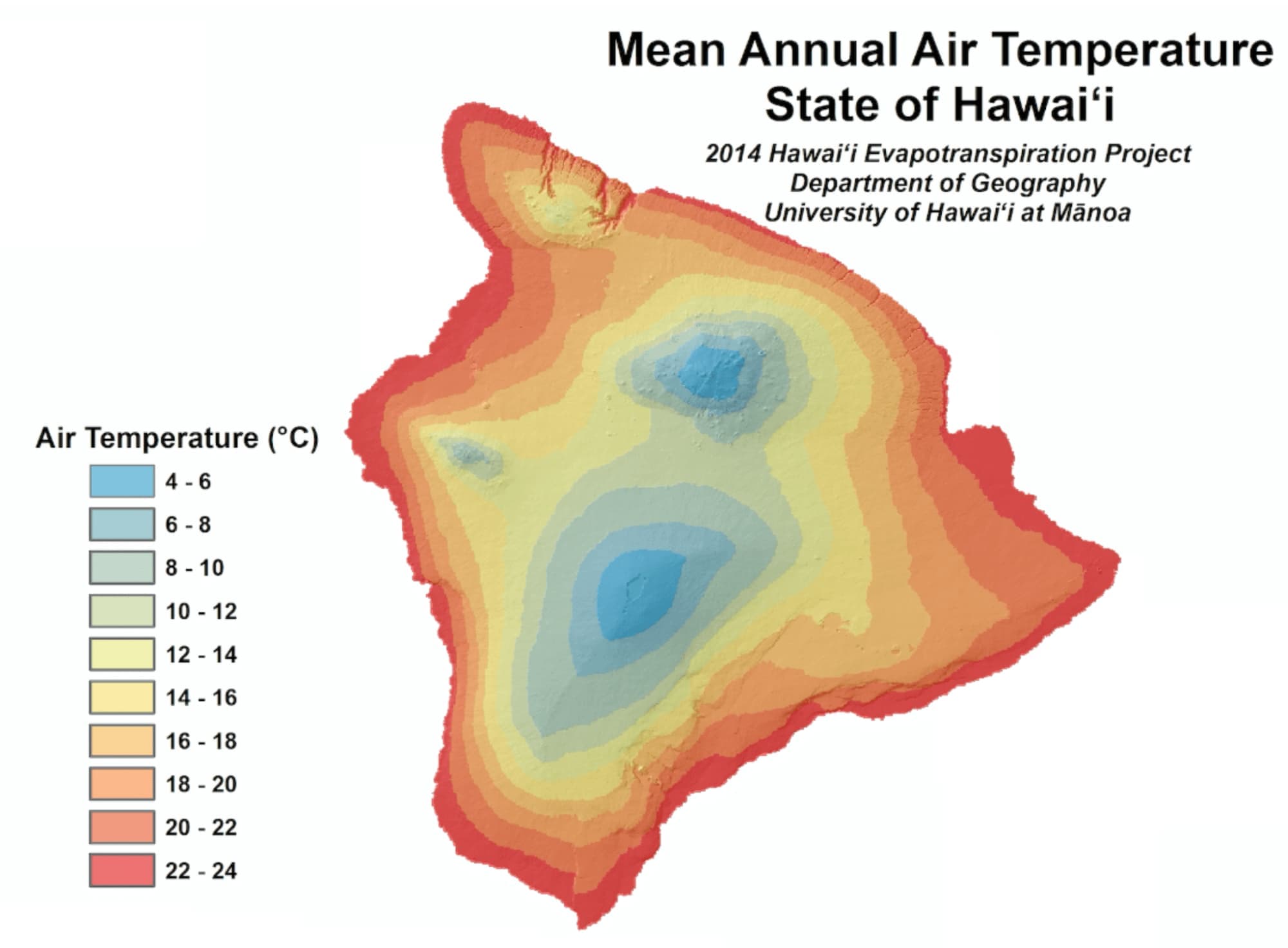
One of the most fascinating aspects of travel in Hawaii is that you can experience multiple “seasons” within a single day. This is due to the dramatic elevation changes and the rain shadow effect caused by volcanic mountains like Mauna Kea and Haleakala.
The Rain Shadow Effect
If you are standing on the windward side of an island—the side facing the prevailing trade winds—you are likely to encounter clouds and intermittent rain. As those air masses move across the volcanic summits, the moisture is wrung out. By the time the air reaches the leeward side, it is dry and warm. This phenomenon allows travelers to retreat to Lahaina or Wailea if they find themselves caught in a rainstorm on the windier slopes of the mountains.
Elevation and Temperature
It is common to start a day at the beach in Honolulu in a swimsuit and end it wearing a jacket. As you ascend toward the summits, the temperature drops significantly. At the top of Haleakala National Park, temperatures can approach freezing, even if the coastal temperatures remain in the mid-80s. Packing layers is not just a suggestion; it is a necessity for anyone planning a trip that combines mountain trekking with beach lounging.

Seasonal Activities and Tourism Trends
Beyond the temperature, the seasons dictate the heartbeat of life in the islands. Different times of the year offer vastly different experiences, from wildlife migrations to the surge of festive crowds.
Winter: The Time for Giants
Ho‘oilo is the undisputed season for professional surfers and wildlife enthusiasts. As winter storms generate large swells in the North Pacific, the world-famous waves of the Banzai Pipeline and Waimea Bay reach their peak power. Additionally, this is the prime window for whale watching. Every year, North Pacific Humpback whales migrate to the warm waters around Molokai and Lanai to breed and give birth. Seeing these giants breach just off the coast is a hallmark of a winter trip.
Shoulder Seasons: The Sweet Spot
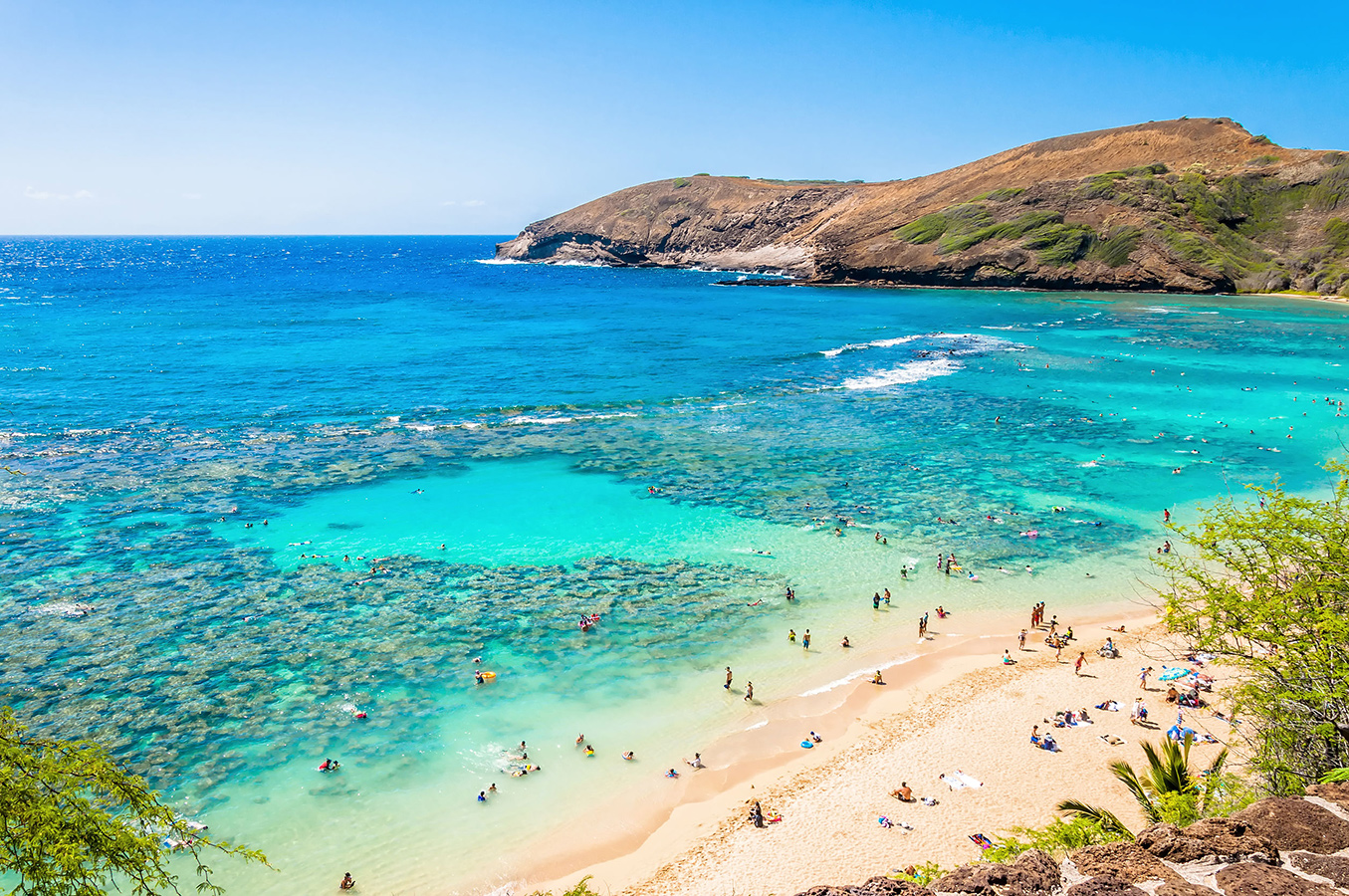
Many seasoned travelers argue that the “shoulder seasons”—the periods between the peak summer and winter holidays—are the best times to visit. Specifically, mid-April to early June and September to mid-December offer the perfect balance of manageable crowds, lower accommodation rates, and pleasant weather. During these times, the intense heat of mid-summer has yet to arrive or has just passed, and the heavy winter rains have not yet begun, making it easier to secure a spot at popular destinations like Hanauma Bay.
Peak Season Considerations
It is important to note that the busiest times of the year correlate with school holidays and winter escapes. From mid-December through early January, and again during spring break, the islands see an influx of visitors. During these periods, booking excursions and dining reservations well in advance is essential. Popular historical sites like Pearl Harbor National Memorial experience high demand, and traffic on primary roads can become a factor in your daily planning.
Cultivating a Sustainable Visit
Regardless of when you decide to visit Hawaii, the season should also influence how you interact with the environment. Being a responsible traveler means respecting the natural cycles of the islands.
Respecting the Marine Life
During the winter, when the ocean is more active, be particularly mindful of marine life protection zones. If you are visiting Kealakekua Bay or other snorkeling sanctuaries, always maintain a respectful distance from sea turtles and monk seals. These animals are often resting after foraging in the colder winter waters and require minimal disturbance to conserve their energy.
Supporting Local Ecosystems
The rain during the winter months is essential for the health of the watersheds. When hiking trails like the Kalalau Trail, be aware that excessive rain can make paths dangerous and contribute to erosion. Always check local trail reports and respect closures. When trails are muddy, staying off them helps prevent long-term damage to the fragile environment, ensuring that the beauty of the Na Pali Coast remains intact for future generations.
In conclusion, “what season is it in Hawaii” is rarely a simple question about clothing or comfort; it is an invitation to align yourself with the natural rhythm of the islands. Whether you are chasing the legendary winter swells, looking to swim in the calm, sun-drenched waters of the summer, or hoping to find a quiet slice of paradise during the shoulder months, the islands provide a unique experience for every traveler. By understanding the interplay between the two seasons of Kau and Ho‘oilo and the impact of the diverse microclimates, you can curate a trip that is not only enjoyable but deeply connected to the unique character of this magnificent destination. Pack your sunscreen and your rain jacket, remain flexible, and prepare to experience the endless beauty of the islands on their own terms.
LifeOutOfTheBox is a participant in the Amazon Services LLC Associates Program, an affiliate advertising program designed to provide a means for sites to earn advertising fees by advertising and linking to Amazon.com. Amazon, the Amazon logo, AmazonSupply, and the AmazonSupply logo are trademarks of Amazon.com, Inc. or its affiliates. As an Amazon Associate we earn affiliate commissions from qualifying purchases.