
Understanding the weather in New Mexico is essential for any traveler planning to traverse the “Land of Enchantment.” Because of its vast and varied topography—ranging from the high-altitude peaks of the Rocky Mountains to the sprawling high desert basins—New Mexico experiences a climate that is as diverse as its landscapes. Generally, the state is characterized by an arid to semi-arid climate, boasting abundant sunshine, low humidity, and significant temperature fluctuations between day and night.
The Seasonal Rhythm of the High Desert
The climate of New Mexico is defined by four distinct seasons, though they manifest differently depending on your elevation. Whether you are visiting the art galleries of Santa Fe or the historic plazas of Albuquerque, understanding these cycles will help you pack appropriately.
Spring: The Season of Transition
Spring in New Mexico, typically lasting from March through May, is a season of dramatic transition. During this time, the weather can be notoriously unpredictable. Visitors should be prepared for gusty winds, as the atmospheric pressure shifts between the cold high-country snowpacks and the warming desert floors. While daytime temperatures begin to climb into the 60s and 70s (°F), evenings remain quite crisp. This is an ideal time for those who enjoy the awakening of desert wildflowers and the early blooming of cacti throughout the Chihuahuan Desert.
Summer: Heat and the Monsoon
Summer months (June through August) bring the heat that the American Southwest is famous for. In the lower elevations, such as Las Cruces or the Mesilla Valley, temperatures frequently exceed 90°F. However, because of the low humidity, the heat is often described as more tolerable than in coastal or humid inland regions.
The highlight of the summer is the “Monsoon Season,” which typically kicks off in July. During late afternoons, moisture flowing from the Gulf of California and the Gulf of Mexico triggers localized, often intense thunderstorms. These storms are vital to the ecosystem, offering a cooling reprieve and transforming the landscape into a vibrant, lush green for a few short weeks.
Elevation and Its Impact on Temperature
One of the most common misconceptions about New Mexico weather is that it is perpetually hot. Because much of the state sits at a high altitude, the temperature is heavily dictated by your vertical position above sea level.

The Cool Alpine Escapes
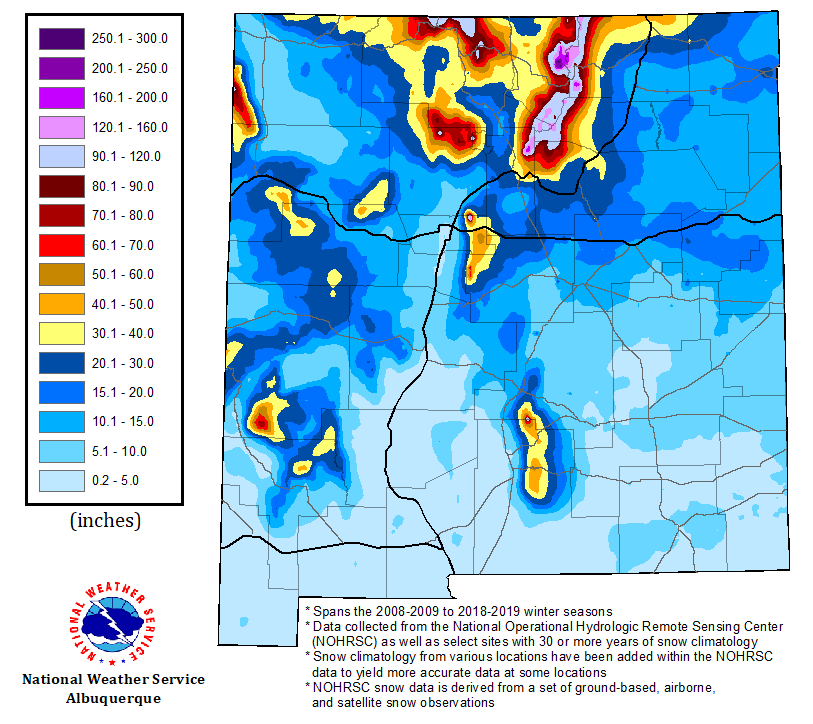
For travelers heading to northern destinations like Taos or the Sangre de Cristo Mountains, the weather is markedly different from the southern deserts. In these mountain retreats, summer temperatures are significantly milder, often hovering in the pleasant 70s during the day. In the winter, these areas transform into hubs for winter sports, receiving substantial snowfall. Sites like Taos Ski Valley benefit from the cold, high-altitude air that creates prime conditions for skiing and snowboarding from late November through March.
The Southern Desert Valleys
Conversely, the southern portion of the state, home to iconic landmarks like White Sands National Park, stays much warmer throughout the year. The gypsum dunes at White Sands can reflect intense sunlight, making spring and autumn the best times for photography and hiking. Summer visitors to the southern valleys should plan their outdoor activities for the early morning or late evening hours to avoid the peak intensity of the midday sun.
Autumn and Winter: Clarity and Cold
Autumn is widely considered the best time to visit New Mexico. From September through November, the state enjoys what many locals call “chamber of commerce weather.” The monsoons have subsided, the winds have died down, and the days are characterized by brilliant blue skies and moderate temperatures.
The Golden October
October is particularly magical. The Aspen trees in the Carson National Forest turn a brilliant gold, providing a stunning backdrop against the deep blue sky. This is also the time when the Albuquerque International Balloon Fiesta takes place. The cool, stable air in the mornings creates the perfect environment for hundreds of hot air balloons to drift over the Rio Grande valley.
Winter: The Silent Season
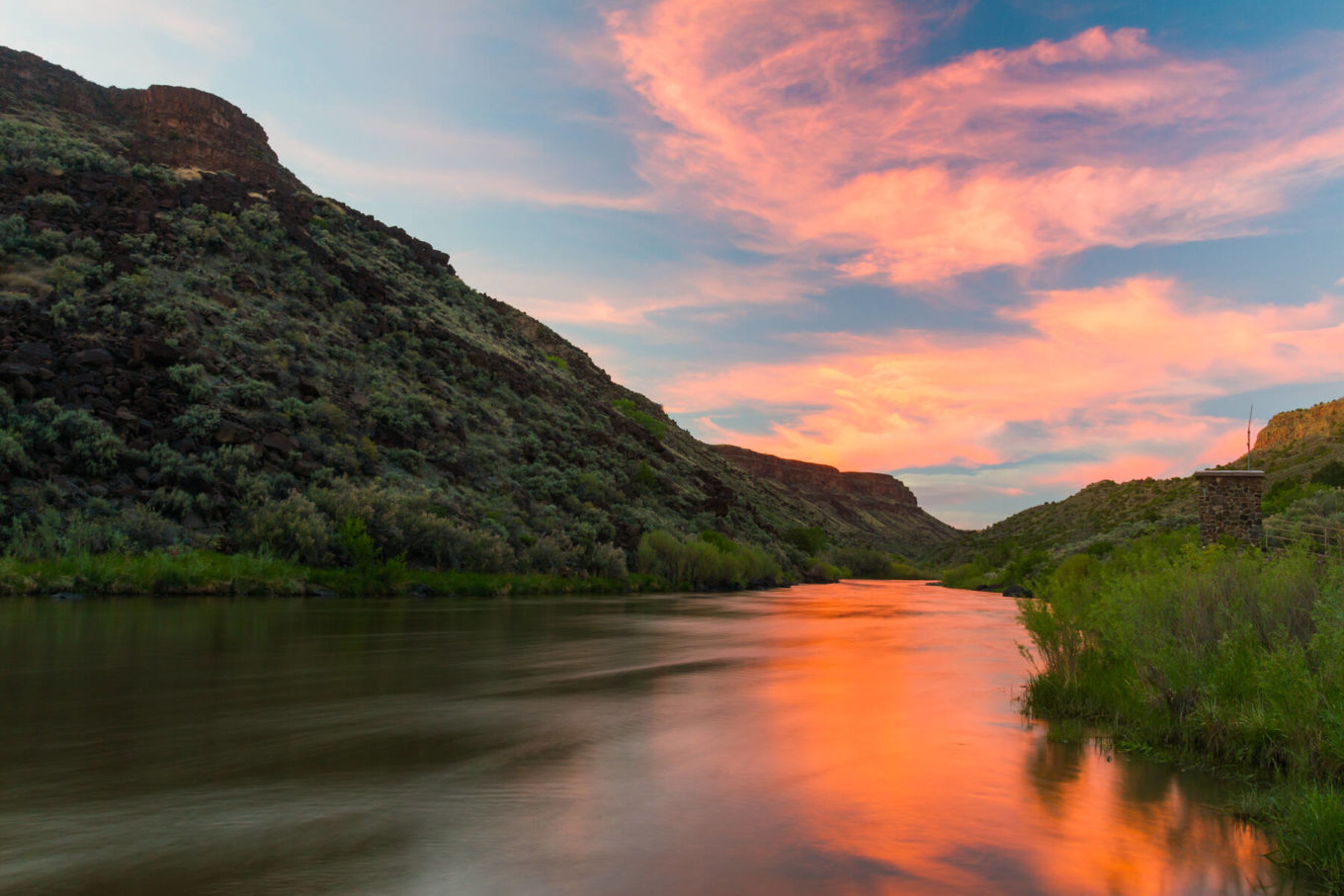
Winter in New Mexico is defined by sharp contrasts. While the valleys may see light dusting of snow that melts within hours, the northern mountains are buried in deep, powdery snow. The high-desert air is incredibly dry, which can make the temperatures feel colder than they are. However, with over 300 days of sunshine annually, even in January, a sunny day can make a walk through the historic district of Old Town Albuquerque feel quite comfortable. It is a season of quiet beauty, perfect for visitors looking to experience the local culture, visit thermal hot springs, or enjoy the peaceful atmosphere of snow-dusted red rock canyons.
Practical Tips for Your Trip
Regardless of when you visit, the environment of the American Southwest demands preparation.
- Hydration is Key: The combination of high altitude and low humidity accelerates dehydration. Even if you do not feel thirsty, carrying a water bottle is a non-negotiable part of your travel kit.
- Layering is Essential: Because temperatures fluctuate wildly between the sun’s peak and the setting of the moon, layering is the most effective way to manage your comfort. A light shell or a warm fleece can be the difference between an enjoyable sunset dinner and a shivering walk back to your hotel.
- Sun Protection: The thin, high-altitude air provides less protection from UV rays. Wearing high-SPF sunscreen, a wide-brimmed hat, and sunglasses is standard practice, especially if you are visiting high-altitude sites like the Valles Caldera National Preserve.
- Check Local Forecasts: Before venturing into remote areas, always check the weather report for the specific micro-climate of your destination. Mountains in the Jemez Springs area can experience rain while the Santa Fe River valley remains dry.
New Mexico’s weather is a fundamental component of its identity. By respecting the power of the sun and the impact of the altitude, you will find that the climate here doesn’t just dictate your itinerary—it enhances the beauty of the experience. From the crisp, clear air of the mountain peaks to the warm, aromatic breeze of the high desert, New Mexico offers a sensory experience that changes beautifully with every turn of the calendar.
LifeOutOfTheBox is a participant in the Amazon Services LLC Associates Program, an affiliate advertising program designed to provide a means for sites to earn advertising fees by advertising and linking to Amazon.com. Amazon, the Amazon logo, AmazonSupply, and the AmazonSupply logo are trademarks of Amazon.com, Inc. or its affiliates. As an Amazon Associate we earn affiliate commissions from qualifying purchases.