
When travelers arrive in Las Vegas, their first brush with the city’s legendary scale often happens before they even step onto the Las Vegas Strip. Harry Reid International Airport, formerly known as McCarran International Airport, serves as the primary gateway to the entertainment capital of the world. Understanding the sheer size and operational footprint of this facility is essential for any traveler looking to navigate the transition from the tarmac to the excitement of the city with ease.
The Physical Footprint and Capacity
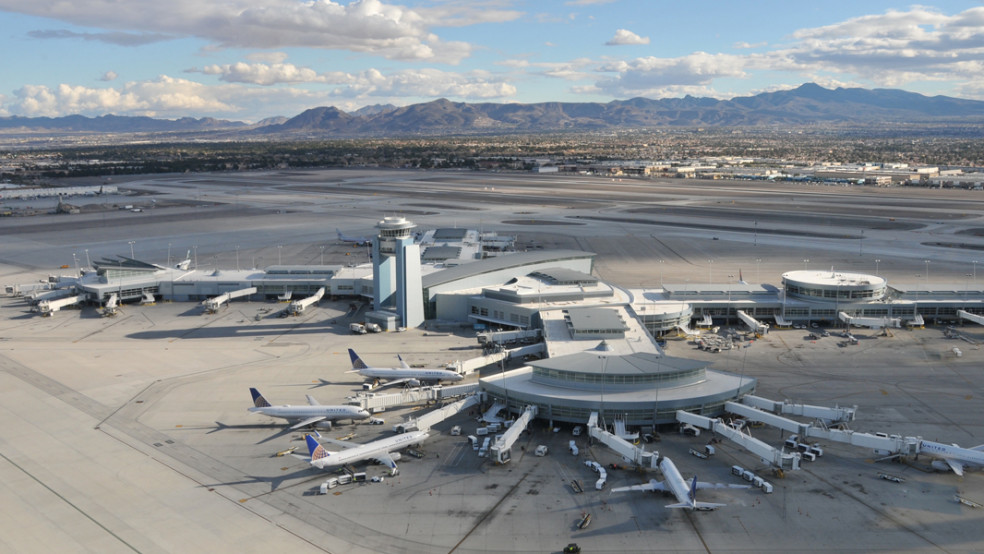
Spanning approximately 2,800 acres, Harry Reid International Airport is a massive logistical operation designed to funnel tens of millions of passengers through Nevada each year. Unlike many international hubs that are sprawling complexes of disconnected terminals, this airport is strategically organized to manage high-volume traffic through a centralized layout that facilitates rapid movement.
Runway Infrastructure
The airport features four operational runways. The layout is somewhat unusual compared to other major global hubs because of the prevailing winds and the proximity to the Spring Mountains. This configuration allows the airport to maintain high throughput even during peak seasons when the demand for flights into United States vacation destinations hits its zenith. The longest runway stretches over 14,500 feet, which is more than sufficient to accommodate the largest commercial aircraft in operation today, including long-haul international flights arriving from Europe or Asia.
Terminal Distribution
The airport consists of two primary terminal buildings: Terminal 1 and Terminal 3. Terminal 1 serves as the traditional heart of the facility, housing several concourses labeled A, B, C, and D. Terminal 3, a more modern addition, handles the majority of international arrivals and some domestic traffic. These two terminals are connected via an underground transit system, ensuring that passengers moving between gates do not have to exit security or rely on external shuttles.
Navigating the Terminals and Concourses
To truly appreciate the size of the airport, one must look at the transit flow between the satellite concourses. The airport utilizes an automated people mover system, a subterranean train that whisks passengers from the main check-in areas to the boarding gates. This system is a testament to the scale of the facility; without it, the walk from the main lobby to the D gates or Terminal 3 would be prohibitive for many travelers.
The D Gates Complex
The D Gates represent a significant portion of the airport’s operational capacity. This standalone satellite building is effectively a massive, self-contained terminal. It houses everything from luxury shopping boutiques—which mirror the retail experiences found at The Forum Shops at Caesars—to dining options that offer a prelude to the world-class culinary scenes found in Paradise.
Integrated Transit for Efficiency
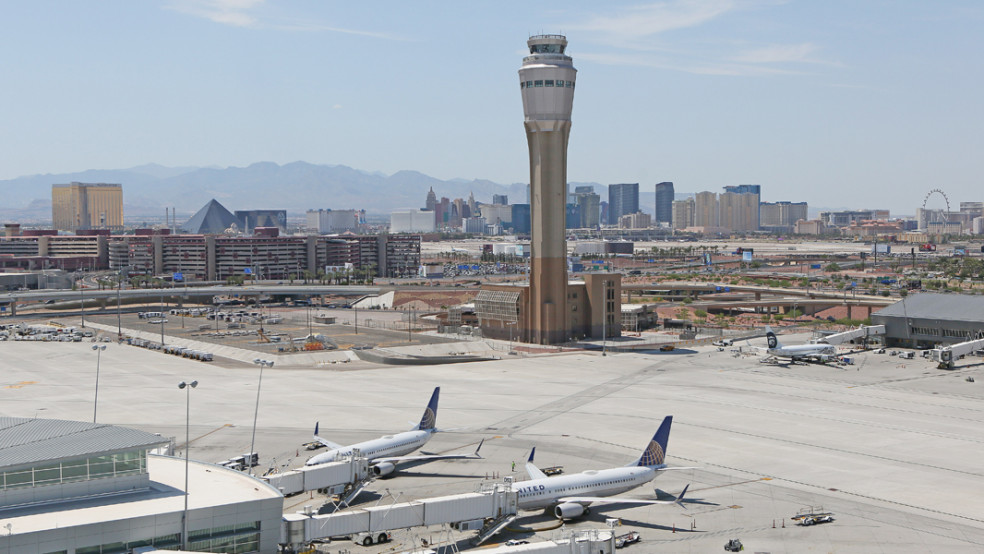
The efficiency of the airport’s design is critical to its functionality. Because the airport is located only a few miles from the MGM Grand and the Luxor Hotel and Casino, the sheer volume of passenger throughput is often higher per square foot than at more geographically isolated airports. The transit lines beneath the tarmac ensure that even when the airport is operating at capacity, the flow of human traffic remains constant and avoids the gridlock that would otherwise paralyze a facility of this size.
Operational Scale: By the Numbers
Measuring the “size” of an airport involves more than just physical acreage; it is about throughput. Ranking consistently among the busiest airports in the North America region, Harry Reid International processes over 50 million passengers annually. This statistic is staggering when you consider that a massive percentage of these travelers are funneling into a singular, highly concentrated corridor of hotels and resorts.
Flight Frequency and Aircraft Handling
On any given day, the airport manages over 900 flights. This requires a gargantuan effort in ground support, baggage handling, and air traffic control. The facility’s size is effectively “maximized” through high-frequency turnover; rather than having massive amounts of empty space, every gate is utilized as efficiently as possible to ensure that the stream of tourists keeps moving toward their respective hotels, such as The Venetian Resort or Caesars Palace.
The Role of Technology in Size Management
The airport relies on advanced digital infrastructure to manage its physical footprint. From self-service check-in kiosks to sophisticated baggage sorting systems that span miles of conveyor belts beneath the floorboards, the technology acts as a force multiplier. This allows the airport to function like a much larger facility by reducing the time spent in stationary queues, thereby optimizing the utility of the terminal space.
The Gateway to the Desert
What makes the size of the airport particularly unique is its relationship with its immediate surroundings. Because it is located in the Mojave Desert, the airport has clear, unobstructed visibility, which contributes to its operational safety. However, this same proximity means that the airport is constantly under pressure to expand its footprint to keep up with the growing demand for Nevada Tourism.
Future Expansion and Adaptability
Plans for continued growth involve not just physical terminal expansion, but the optimization of existing gates to accommodate larger aircraft and increased regional travel. As trends in travel change, the airport management team continuously evaluates how to refine the “customer journey.” This includes enhancing the pedestrian experience within the terminals, adding more green spaces, and improving the accessibility of ground transportation hubs where visitors connect to rental car centers or rideshare zones.

A Traveler’s Perspective on Scale
For the average tourist, the “size” of the airport is felt most acutely during the walk from the aircraft to the baggage claim. While it may seem dauntingly large, the architecture is intentionally intuitive. Whether you are arriving at Terminal 1 to head toward Wynn Las Vegas or landing at Terminal 3 for a trip to The Cosmopolitan of Las Vegas, the airport is designed to transition you quickly from the stress of air travel to the excitement of the city.
In summary, Harry Reid International Airport is a masterpiece of compact, high-capacity engineering. It manages to balance an enormous volume of travelers within a relatively confined footprint, utilizing intelligent design and rapid transit to ensure that the beginning of your stay in Clark County is as seamless as possible. By understanding the airport’s layout and its dedication to throughput, you can approach your arrival with the confidence of a seasoned traveler, ready to dive into the vibrant atmosphere that defines this singular city.
LifeOutOfTheBox is a participant in the Amazon Services LLC Associates Program, an affiliate advertising program designed to provide a means for sites to earn advertising fees by advertising and linking to Amazon.com. Amazon, the Amazon logo, AmazonSupply, and the AmazonSupply logo are trademarks of Amazon.com, Inc. or its affiliates. As an Amazon Associate we earn affiliate commissions from qualifying purchases.