
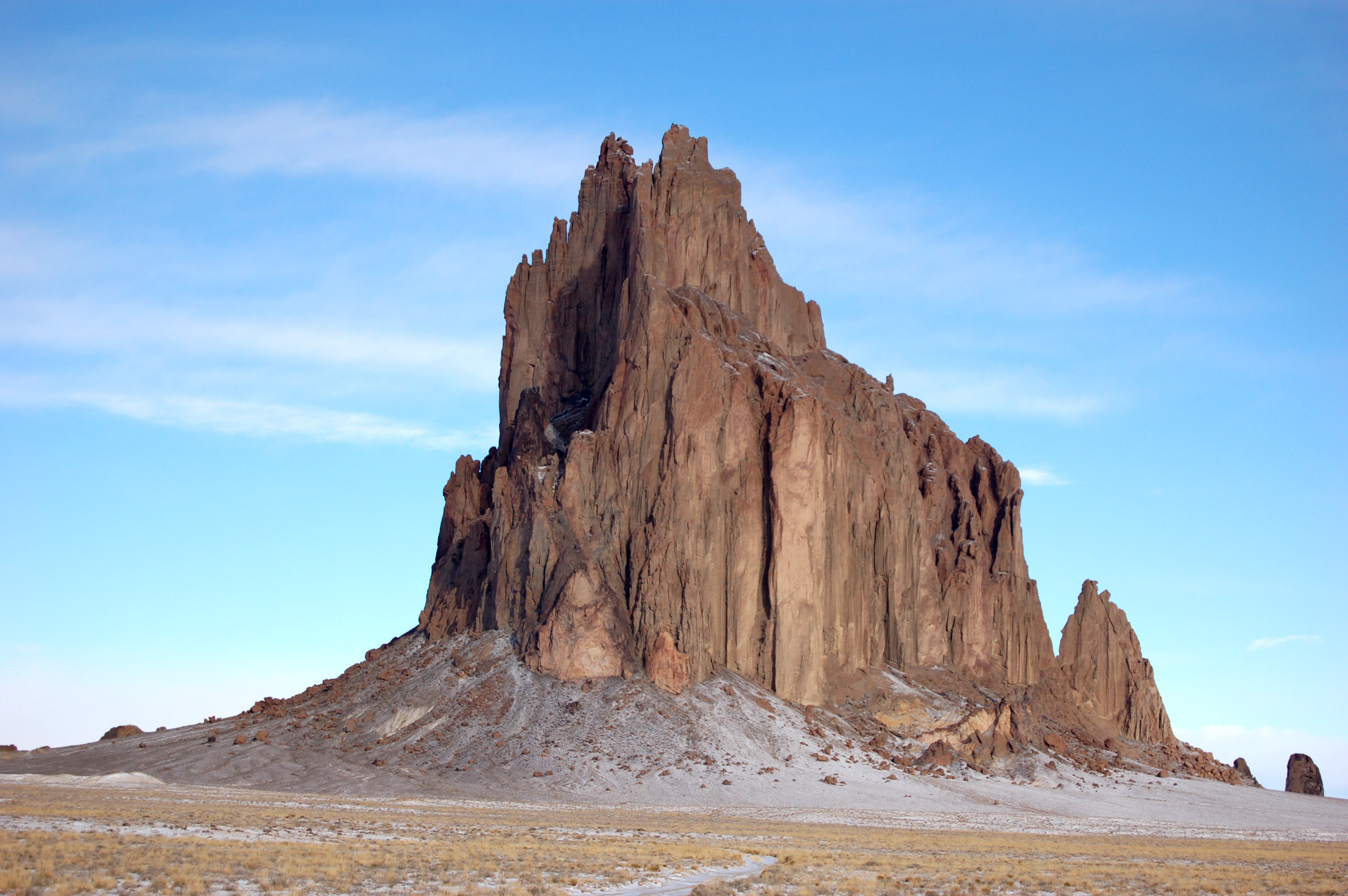
Rising dramatically from the high desert plains of the Navajo Nation, the Shiprock formation—known in the Navajo language as Tsé Bitʼaʼí—stands as a silent, monolithic sentinel of the American Southwest. For travelers, photographers, and geologists, this iconic landmark is not merely a geographic point on a map; it is a profound intersection of natural history, indigenous culture, and geological marvel. Understanding its location is the first step toward appreciating the sheer scale of the landscape that surrounds it.
The Geographic Coordinates and Setting
Geographically, Shiprock is located in San Juan County, in the northwest corner of New Mexico. It sits approximately 10 miles southwest of the town that shares its name, Shiprock. The formation is positioned within the expansive boundaries of the Navajo Nation, a sovereign territory that spans parts of New Mexico, Arizona, and Utah.
Accessing the Formation
While the peak itself is visible from miles away, particularly from U.S. Route 491, reaching the base requires traversing unpaved Navajo Nation roads. These dirt paths meander through the High Desert landscape, offering travelers a sense of the immense scale of the Colorado Plateau. It is important for visitors to note that while the landmark is a prominent feature of the American Southwest, it is held sacred by the Navajo people, and strict regulations regarding climbing and photography exist.
Proximity to Nearby Hubs
Shiprock serves as a central point for those exploring the wider region. It is situated roughly 30 miles southwest of Farmington, a city that provides the most common gateway for visitors. Travelers heading north from Gallup will find the drive along Route 491 to be a scenic passage through the heart of the Four Corners region, where the borders of four states converge at a single point.
A Geological Masterpiece of the Southwest
The formation of Shiprock is one of the most studied and visually striking examples of a volcanic neck, or volcanic plug, in the world. Rising nearly 1,583 feet above the surrounding desert floor, the rock is composed of igneous rock called minette, a dark, volcanic material that has resisted the erosion that leveled the surrounding San Juan Basin over millions of years.
The Volcanic Neck and Dikes
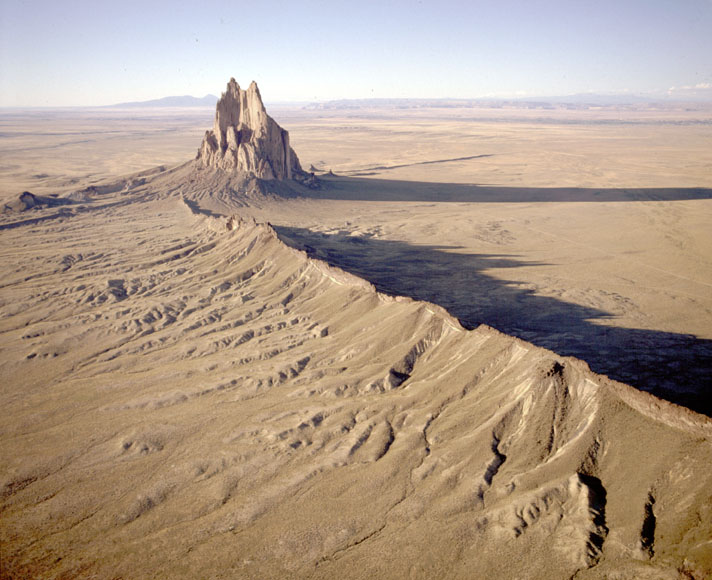
The structure is essentially the solidified core of an ancient volcano that erupted approximately 30 million years ago. As the soft volcanic cone eroded away over eons, this hardened core remained, creating the jagged, vertical spires we see today. What makes this landmark particularly unique are the long, vertical walls of rock known as dikes that radiate outward from the central peak. These “walls” were formed when molten magma pushed through fissures in the surrounding sedimentary rock, hardening into thin, wall-like structures that stretch across the desert floor like giant, ancient spokes of a wheel.
The Landscape of the Four Corners
The San Juan River flows nearby, cutting through the arid landscape and providing a lifeline for the local ecology. The surrounding area is characterized by Badlands topography, where layers of soft clay and shale have been carved into intricate ripples and mounds by wind and water. This stark environment provides a dramatic backdrop that makes the Shiprock formation appear even more otherworldly, especially during the golden hours of sunrise and sunset.
Cultural Significance and the Navajo World
For the Navajo people, Tsé Bitʼaʼí is more than a geological curiosity; it is a pillar of their spiritual history. The name translates to “rock with wings,” reflecting a deep, foundational connection to the lore of the land.
Spiritual Traditions
In Navajo mythology, Tsé Bitʼaʼí is considered a sacred place. It is deeply embedded in the Navajo origin stories, serving as a landmark that has been observed and revered for centuries. The Navajo people view the site with great respect, often limiting access to the rock itself to protect the integrity of the area. This cultural reverence is a vital component of any visit, as the land is not a public park in the traditional sense, but a home and a sacred site.
Responsible Tourism and Respect
Visitors planning to photograph or witness the splendor of Shiprock should always be aware of Navajo Nation regulations. Off-road driving is prohibited, and climbing the formation is strictly forbidden to preserve its sanctity and fragile ecosystem. It is recommended to view and photograph the formation from the public roads that pass through the area. Engaging with the Navajo culture by visiting nearby Navajo cultural centers or purchasing authentic arts and crafts in Shiprock town provides a much more meaningful and supportive way to experience this magnificent location.
Planning Your Journey to the Region
When visiting Shiprock, it is best to treat it as part of a larger exploration of the New Mexico high desert. The climate is harsh and unforgiving, characterized by intense summer heat and cold, windy winters.
Travel Logistics
- Best Time to Visit: Spring and Autumn offer the most moderate temperatures, making it easier to explore the surrounding trails and viewpoints.
- Photography Tips: The best light for photography is at sunrise, when the sun illuminates the eastern face of the monolith, or during the late afternoon, when the shadows emphasize the dramatic, vertical lines of the dikes.
- Preparation: Always carry plenty of water, a reliable map (as GPS can sometimes be unreliable in remote desert stretches), and ensure your vehicle is capable of handling dirt roads if you choose to explore beyond the paved highways.

Nearby Attractions to Explore
While Shiprock is the main draw, the vicinity offers other treasures. Travelers often pair a trip to the monolith with a visit to the Bisti/De-Na-Zin Wilderness, an extraordinary landscape of hoodoos and petrified wood located further south. Additionally, the Aztec Ruins National Monument provides a window into the ancestral Puebloan history of the region.
As you stand before Shiprock, listening to the silence of the New Mexico desert, you are witnessing a profound connection between the earth’s volatile geological past and the resilient, enduring spirit of the people who have called this land home for generations. It is a place that demands humility and offers, in return, a perspective that few other landscapes can provide.
LifeOutOfTheBox is a participant in the Amazon Services LLC Associates Program, an affiliate advertising program designed to provide a means for sites to earn advertising fees by advertising and linking to Amazon.com. Amazon, the Amazon logo, AmazonSupply, and the AmazonSupply logo are trademarks of Amazon.com, Inc. or its affiliates. As an Amazon Associate we earn affiliate commissions from qualifying purchases.