
When planning a journey through the heart of Louisiana, travelers often look to connect the vibrant, swamp-adjacent culture of Lafayette with the legendary, jazz-filled streets of New Orleans. Understanding the distance between these two iconic cities is the first step in crafting the quintessential Cajun-to-Creole road trip. Whether you are a local resident looking for a weekend escape or an international visitor exploring the United States, the journey across the southern plains of the Pelican State offers a unique perspective on regional geography and history.
Mapping the Route: Distance and Drive Time
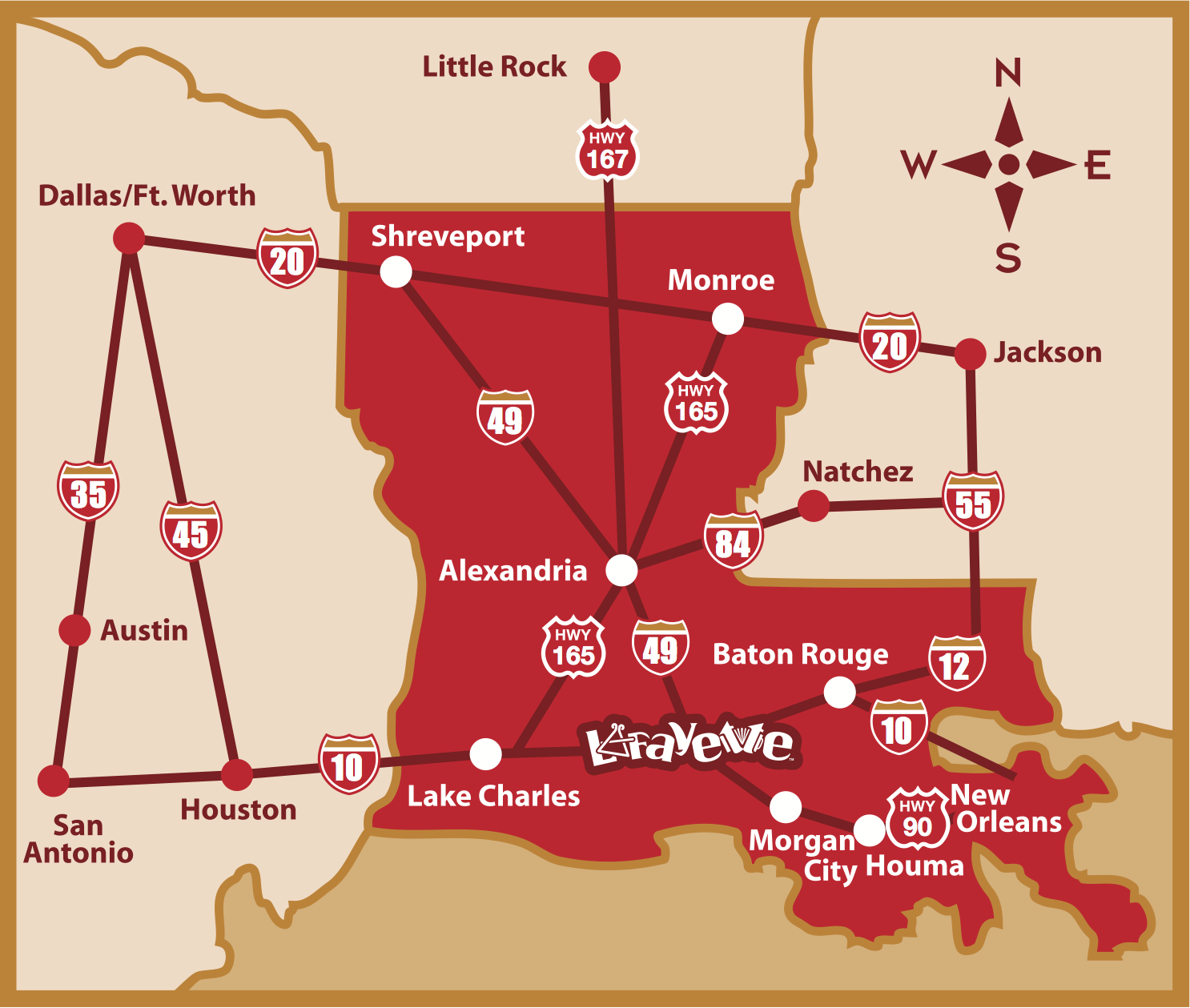
The distance between Lafayette and New Orleans is approximately 135 miles when following the most direct path along Interstate 10. Under normal traffic conditions, this drive typically takes between two hours and two hours and 15 minutes. While the mileage remains relatively constant, the reality of the road can shift significantly based on the time of day, weather conditions, and seasonal events.

The Interstate 10 Corridor
Most travelers rely on the main artery of Interstate 10 to navigate between these two hubs. This route takes you eastward from Acadiana, past Baton Rouge, and through the sprawling wetlands that define the Atchafalaya Basin.
The drive itself is quite scenic, featuring the long, elevated stretches of the Atchafalaya Basin Bridge. This engineering marvel spans 18 miles across the swamp, offering drivers a unique, high-altitude view of the moss-draped cypress trees and waterways below. Because this stretch is heavily traveled by commuters and commercial transport, it is vital to check for road work or accidents, as any minor disruption can significantly impact your arrival time.
Navigating Traffic in the Crescent City
While the open road through the countryside is generally breezy, the arrival into New Orleans can be a different experience. If you are arriving during rush hour, expect delays as you approach the city center. Navigating the interchanges near Metairie or trying to cross the Mississippi River via the Crescent City Connection can add precious minutes to your trip. Planning your arrival for mid-morning or early afternoon is a strategic way to bypass the heaviest congestion.
Best Modes of Transportation
For those deciding how to bridge the gap between these two cultural titans, several options are available. Each offers a different level of comfort, speed, and flexibility, depending on your priorities for the trip.

Road Tripping via Rental Car
Driving your own vehicle or a rental is widely considered the best way to experience the transition from Cajun Country to the urban landscape of the French Quarter. Having a car provides the freedom to stop at points of interest along the way, such as the Tabasco Factory in Avery Island or the historic plantations lining River Road.
Passenger Rail and Bus Services
For those who prefer not to navigate the highway, Amtrak offers limited options, though they often require connections that can make the travel time much longer than driving. Alternatively, bus lines such as Greyhound offer direct service between Lafayette and New Orleans, which is a cost-effective choice for budget-conscious travelers. While you lose the flexibility of a private vehicle, these options allow you to relax and enjoy the changing landscape without the stress of navigating highway traffic.
Strategic Stops Along the Way
The drive between these two cities is more than just a commute; it is a journey through the heart of Southern Louisiana. Breaking up the 135-mile trek makes the trip more enjoyable and allows for deeper cultural immersion.
Baton Rouge: The State Capital
Located about halfway, Baton Rouge serves as an excellent midpoint stop. Whether you want to tour the Louisiana State Capitol or enjoy lunch at a local restaurant specializing in authentic gumbo or crawfish, this city provides a perfect break. The blend of political history and academic energy makes it a stark contrast to the laid-back pace of Lafayette and the eccentric spirit of New Orleans.
Cajun and Creole Heritage Sites
For travelers interested in history, the area between the two cities is dense with historical significance. The Whitney Plantation and other sites along the Great River Road offer somber and necessary education on the state’s complex past. Visiting these locations turns a simple drive into a curated historical expedition, providing context for the culture you will encounter once you arrive in the Big Easy.
Tips for a Seamless Journey
Preparation is key when traveling through Louisiana, especially during the summer months or during peak festival seasons like Mardi Gras.
- Monitor the Weather: The southern coast of the United States is prone to sudden, heavy rain showers, particularly in the afternoon. Ensure your windshield wipers are in good condition and keep an eye on weather reports, especially during hurricane season.
- Fuel Management: While the route is populated with gas stations, the stretch through the Atchafalaya Basin has limited exits. It is wise to ensure your tank is full before leaving the Lafayette area to avoid any unnecessary stops in high-traffic zones.
- Embrace Local Timing: Remember that the pace of life in Louisiana is famously relaxed. Do not rush your journey. The beauty of traveling between these two cities lies in the food, the music, and the landscape. Allow yourself the extra hour to stop for boudin in Breaux Bridge or a coffee in St. Martinville.
- Event Planning: If you are traveling during major events like Jazz Fest or Festival International de Louisiane, be aware that hotel availability and road traffic can fluctuate wildly. Always book your accommodations well in advance and plan for longer travel times on the highway during these peak dates.
By understanding the distance and the logistical nuances of the drive, you can transform a simple transfer between two cities into one of the most memorable parts of your Southern vacation. Whether you are seeking the rhythmic accordion music of the Cajun prairies or the soulful brass notes of New Orleans, the road connecting them is the bridge to a deeper understanding of the soul of the South.
LifeOutOfTheBox is a participant in the Amazon Services LLC Associates Program, an affiliate advertising program designed to provide a means for sites to earn advertising fees by advertising and linking to Amazon.com. Amazon, the Amazon logo, AmazonSupply, and the AmazonSupply logo are trademarks of Amazon.com, Inc. or its affiliates. As an Amazon Associate we earn affiliate commissions from qualifying purchases.