
The Los Angeles Times, an iconic fixture of the California media landscape, has long been a subject of intrigue for locals and tourists alike. While many associate the newspaper with the bustling streets of Downtown Los Angeles, its corporate ownership represents a significant chapter in the city’s modern history. Understanding who pulls the strings behind this publication provides a unique glimpse into the cultural heartbeat of Los Angeles.
The Transition to Private Ownership
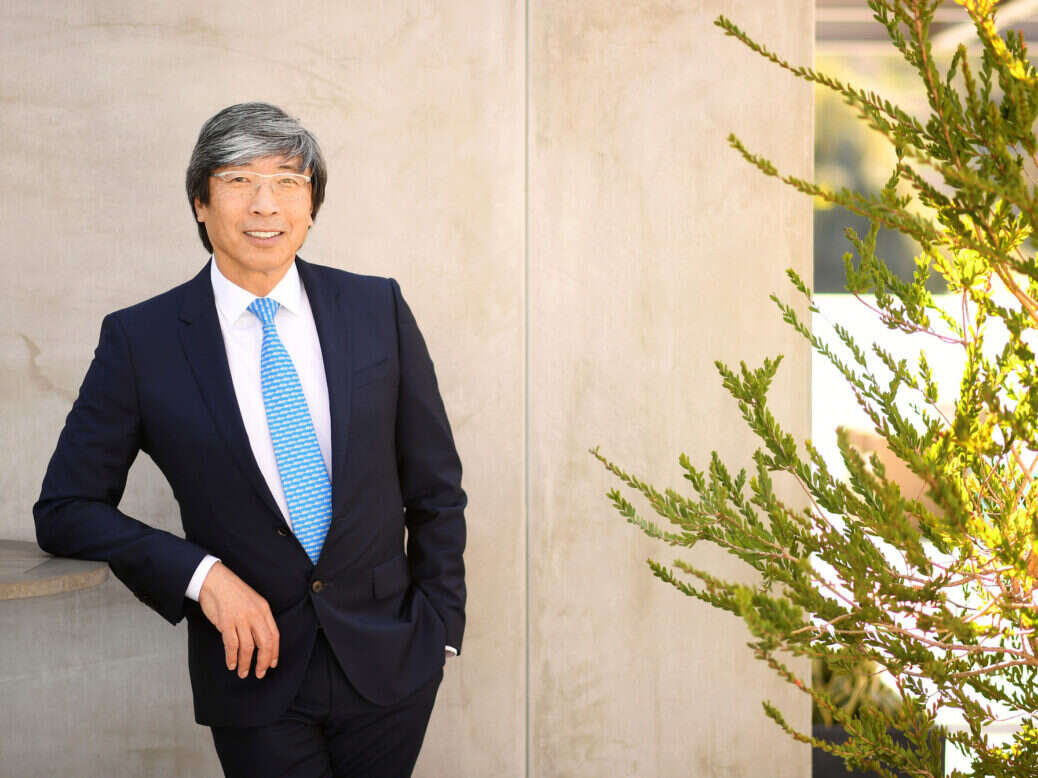
For decades, the Los Angeles Times was under the umbrella of large, publicly traded media conglomerates. However, the narrative shifted dramatically in 2018 when the publication was purchased by Patrick Soon-Shiong. This move marked a return to local ownership, a rarity in an era where massive, out-of-state entities often acquire local news outlets.

A Biotech Billionaire’s Vision
Patrick Soon-Shiong is a prominent figure in the biotechnology sector. His acquisition of the Los Angeles Times through his firm, NantCapital, was viewed by many as an attempt to preserve the journalistic integrity of a landmark institution. As a resident of Los Angeles, his interest in the publication goes beyond business; it is intrinsically linked to the identity of the city itself.
The Significance of Local Control
Having an owner who physically resides in the city where the paper is headquartered has tangible benefits for the local tourism and lifestyle sectors. When the leadership is embedded in the community, the coverage often reflects a deeper understanding of Southern California culture. From the food scenes in Koreatown to the luxury retail hubs in Beverly Hills, the Los Angeles Times provides an authentic lens through which visitors can explore the region.
Historical Context and Legacy
Before the current era of local ownership, the Los Angeles Times was the flagship property of the Chandler family, who controlled the paper for more than a century. The Chandler family was essentially the royalty of Los Angeles, and their influence shaped the development of Southern California from a quiet desert outpost into a global metropolis.
The Rise of the Chandler Dynasty
The Chandler family used the newspaper to champion infrastructure projects that built modern Los Angeles, including the expansion of the water supply systems and the massive highway networks that travelers navigate today. Tourists who visit historical sites like the Bradbury Building or the Biltmore Hotel are essentially walking through the legacy built by the architects of the early 20th-century media empire.
Shifts in the Media Landscape
The eventual sale of the Los Angeles Times to the Tribune Publishing group—formerly the Tribune Company—marked a period of corporate consolidation. During this time, the newspaper’s identity felt more removed from the daily experiences of people living in Hollywood or Santa Monica. It wasn’t until Patrick Soon-Shiong stepped in that the publication began to feel “local” again in its administrative structure.
The Role of Media in Shaping Tourism
The Los Angeles Times acts as a primary influencer for both local and international visitors. Its coverage of arts, culture, and dining—often highlighting hidden gems near Echo Park or the latest exhibitions at the Getty Center—serves as an informal guide for anyone looking to experience Los Angeles beyond the typical postcard attractions.
Lifestyle and Culture Coverage
Because the current ownership prioritizes the paper’s connection to the city, the lifestyle section has blossomed. Whether it is a feature on the best taco trucks in East Los Angeles or an in-depth review of a new boutique resort in West Hollywood, the Los Angeles Times functions as a sophisticated concierge for the urban explorer.
Supporting Local Economies
By promoting local landmarks, restaurants, and neighborhoods, the newspaper creates a cycle of interest that benefits the tourism industry. When the Los Angeles Times features a walking tour of the Arts District or covers the history of Grauman’s Chinese Theatre, it directly impacts the flow of visitors to these sites. Ownership that understands the importance of this ecosystem is vital to maintaining the vibrancy of California as a premier travel destination.
Modern Challenges and Future Outlook
The business of news, much like the business of travel and hospitality, faces constant disruption from digital technology. The Los Angeles Times is no exception. As Patrick Soon-Shiong steers the organization through the 21st century, the focus remains on digital transformation and audience engagement.
The Intersection of Tech and Tradition
Located near El Segundo, the paper’s current operations are a far cry from the smokestacks and printing presses of the early 1900s. The shift toward a digital-first model mirrors the evolution of how tourists interact with Los Angeles; travelers no longer rely solely on physical guidebooks, preferring instead the real-time, curated recommendations found in online lifestyle journals.
Why Ownership Matters to the Visitor
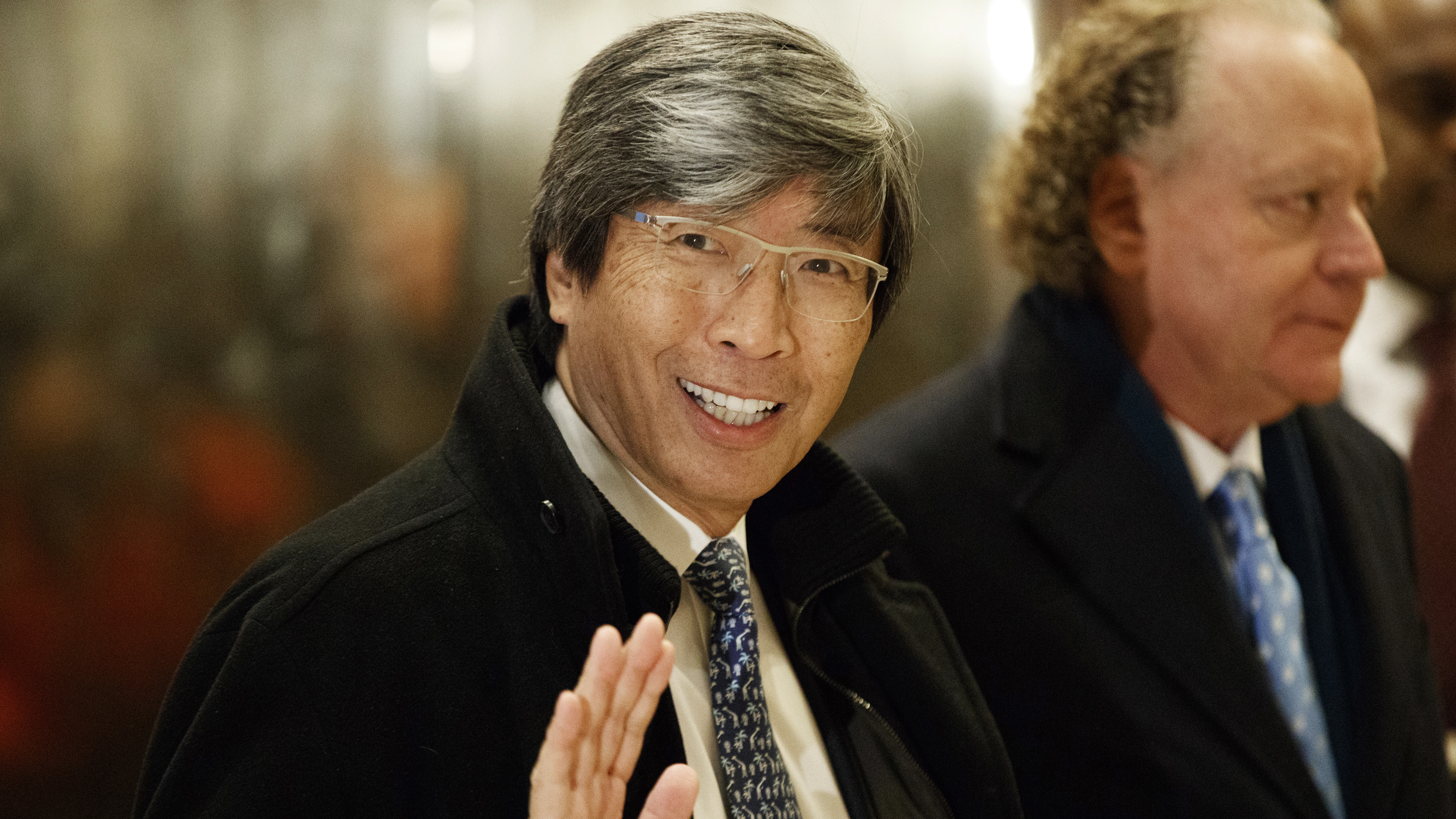
For the casual reader or the tourist browsing the news in a hotel lobby in Venice Beach, the ownership structure might seem abstract. However, the influence of Patrick Soon-Shiong is felt in the editorial direction—one that celebrates the diversity and complexity of Los Angeles. By preserving the Los Angeles Times as an independent, locally-owned entity, the city ensures its story is told by those who actually live it, walk its streets, and patronize its local establishments.
From the quiet corners of Griffith Park to the high-energy atmosphere of Sunset Boulevard, the Los Angeles Times remains the definitive voice of a region. Its ownership, currently anchored by Patrick Soon-Shiong, provides the stability and local vision necessary to keep Los Angeles at the forefront of global culture. As visitors flock to the city for its unique blend of history, luxury, and grit, they do so with a deeper appreciation for the institutions that define this incredible metropolis. Understanding that the paper is a privately held, locally focused entity only enhances the experience, grounding the traveler in a place that takes its narrative—and its future—very seriously.
LifeOutOfTheBox is a participant in the Amazon Services LLC Associates Program, an affiliate advertising program designed to provide a means for sites to earn advertising fees by advertising and linking to Amazon.com. Amazon, the Amazon logo, AmazonSupply, and the AmazonSupply logo are trademarks of Amazon.com, Inc. or its affiliates. As an Amazon Associate we earn affiliate commissions from qualifying purchases.