
Planning a trip between New Orleans and Texas is a classic American road adventure that bridges the soulful, jazz-infused streets of Louisiana with the expansive, diverse landscapes of the Lone Star State. Because Texas is geographically vast, the distance and travel time can vary significantly depending on whether your destination is Houston, Austin, or Dallas. Understanding these travel logistics is essential for crafting the perfect itinerary, whether you are seeking a weekend getaway or a long-distance cross-country haul.
Understanding the Geographic Span and Drive Times
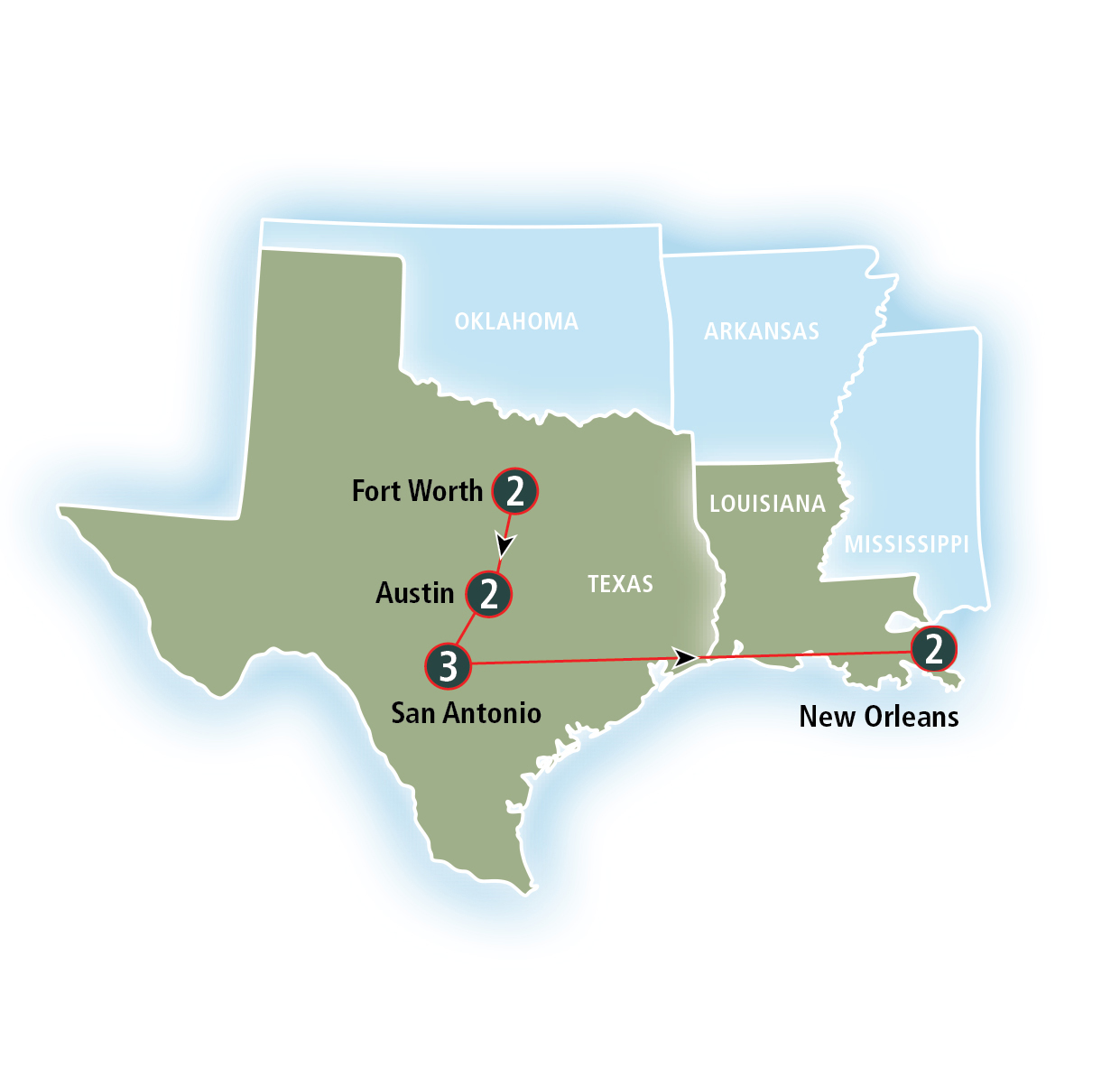
The distance between New Orleans and Texas is best viewed through the lens of Interstate 10, the primary artery connecting these two cultural powerhouses.
From New Orleans to Houston
The most common route for travelers heading westward is from New Orleans to Houston. Spanning approximately 350 miles, this drive typically takes between five and six hours under normal traffic conditions. You will traverse the wetlands of Louisiana, pass through the industrial landscapes of Lake Charles, and eventually cross the border into Texas. Because this route is relatively short, it remains the most popular choice for travelers looking to experience the vibrant French Quarter before diving into the world-class culinary scene of Houston.
Stretching Toward Central and North Texas
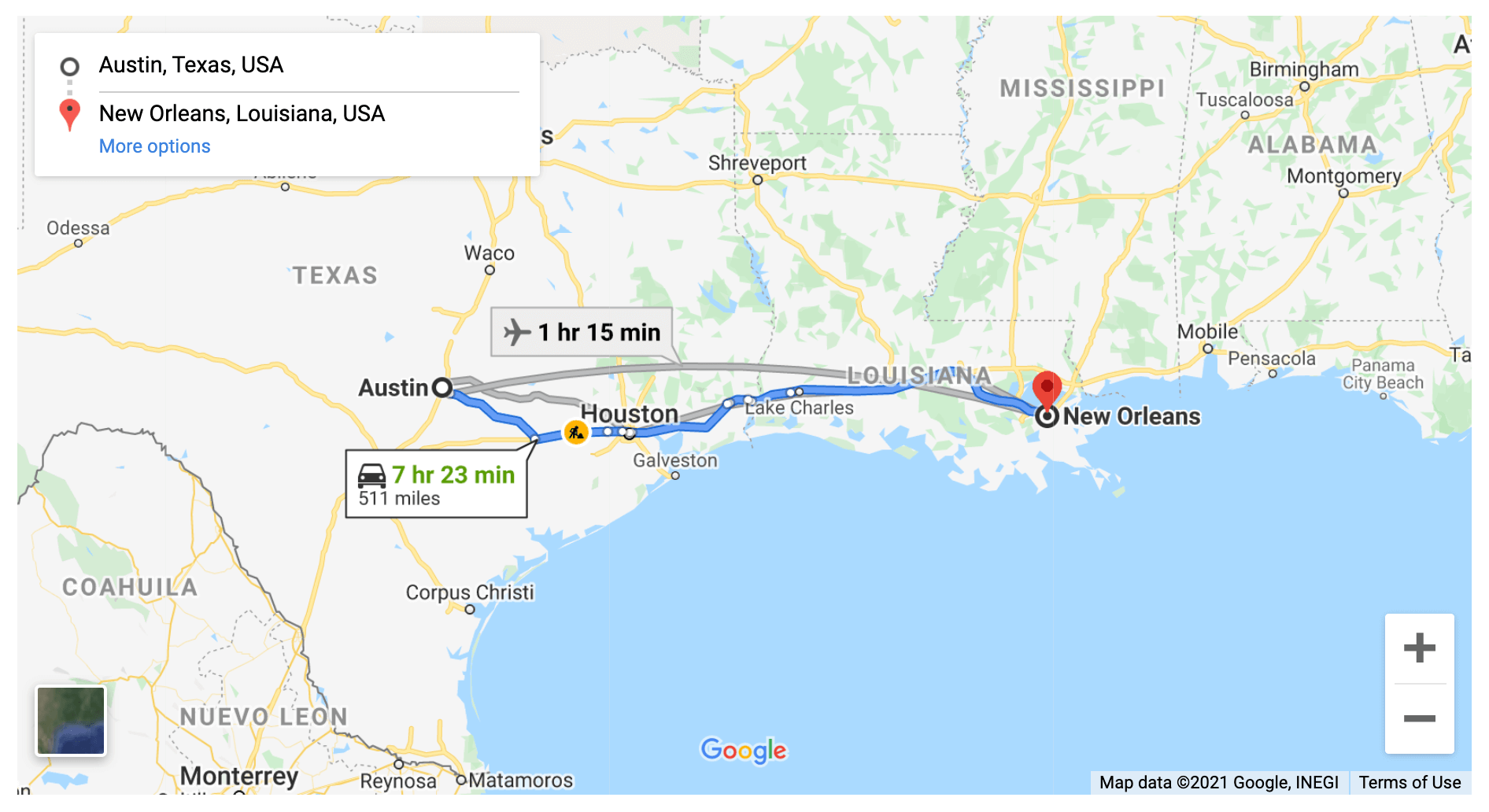
If your destination lies deeper within the state, the drive increases significantly. Traveling from New Orleans to Austin requires approximately eight to nine hours of driving, covering roughly 500 miles. For those heading further north to Dallas, the journey is closer to 500–550 miles and can take upwards of eight hours, depending on how you navigate the East Texas pine forests or the Interstate 45 corridor.
Essential Route Considerations and Stops
Road trips are as much about the journey as the destination. Traveling from New Orleans toward Texas offers several distinct opportunities for exploration, turning a standard transit day into an immersive travel experience.
Exploring the Louisiana Bayou
Before you even leave Louisiana, the drive offers glimpses into the unique geography of the Gulf Coast. Stops in towns like Lafayette are highly recommended. Known for its deep Cajun roots, Lafayette provides a perfect midpoint to enjoy authentic boudin, spicy crawfish, and the rhythmic sounds of zydeco music. It is an excellent way to break up the initial stretch of the drive before the landscape transitions into the Texas plains.
The Port City Influence
As you approach the border, the Sabine River acts as the natural boundary between the two states. Once in Texas, the landscape shifts, and you are greeted by the energetic pulse of the Golden Triangle. Travelers often find that taking a detour through Beaumont or Port Arthur adds a historical dimension to the trip, reflecting the state’s rich oil and maritime heritage.
Air Travel vs. Driving: Which is Optimal?
For many travelers, the choice between driving and flying depends entirely on the purpose of the trip and the available time.
The Case for Driving
Driving is the preferred method for those who value flexibility. Having a vehicle at your disposal in Texas—a state where everything is spread out—is often a major advantage. Whether you are headed to the Hill Country or the urban centers of San Antonio, having your own car allows you to explore beyond the immediate city centers. Furthermore, the scenic beauty of the Atchafalaya Basin and the rural charm of the Piney Woods are highlights that are entirely missed when flying.
The Case for Flying
If your schedule is constrained, flying is undoubtedly the most efficient option. Major airlines offer daily non-stop flights from Louis Armstrong New Orleans International Airport to George Bush Intercontinental Airport in [Houston], Austin-Bergstrom International Airport, or Dallas/Fort Worth International Airport. A flight typically lasts just over an hour. While this eliminates the travel time, it also limits your ability to see the regional nuances that define the American South.
Planning Your Itinerary for Maximum Enjoyment
To make the most of your journey between New Orleans and Texas, strategic planning is key. The climate in this region can be hot and humid, especially during the summer months, so road conditions and vehicle maintenance should be prioritized.
Seasonal Timing
The best time to travel between these two points is during the spring or fall. In the spring, the Texas wildflowers—specifically the bluebonnets—begin to bloom, turning the Interstate 10 corridor into a scenic masterpiece. Fall brings milder temperatures, which is ideal if you plan to walk through the historic districts of Galveston or participate in the outdoor festivals hosted in Austin.
Strategic Stops and Culinary Highlights
No trip involving New Orleans and Texas would be complete without a focus on food. The transition from Creole cuisine to Tex-Mex is a culinary evolution worth savoring. Plan your stops in Baton Rouge for a final plate of gumbo, or look for roadside barbecue pits once you cross into Texas. Texas BBQ in areas like Brenham or Columbus offers a smoky, savory contrast to the spices of Louisiana.

Travel Logistics
- Fueling Up: Ensure your gas tank is full before leaving the metropolitan areas. While there are plenty of stops along the way, some stretches of Louisiana and Texas highway can be sparse.
- Traffic Management: Be mindful of traffic in major hubs like Houston and Baton Rouge. Avoiding rush hour in these cities can shave significant time off your arrival.
- Accommodations: If you are making a multi-day trip, consider overnight stays in unique locations. Lake Charles offers resort-style gaming and relaxation, while Galveston provides a beachside escape before you head into the urban center of Houston.
Ultimately, the distance between New Orleans and Texas represents more than just a measurement on a map. It represents a journey across two of the most influential states in the United States. Whether you are driving for the sights or flying for the speed, the path connects the rhythmic heart of the Mississippi River delta with the vast, horizon-stretching spirit of the west. By preparing for the drive and anticipating the distinct cultural transitions along the way, you can ensure that your travel experience is as rewarding as your final destination.
LifeOutOfTheBox is a participant in the Amazon Services LLC Associates Program, an affiliate advertising program designed to provide a means for sites to earn advertising fees by advertising and linking to Amazon.com. Amazon, the Amazon logo, AmazonSupply, and the AmazonSupply logo are trademarks of Amazon.com, Inc. or its affiliates. As an Amazon Associate we earn affiliate commissions from qualifying purchases.