
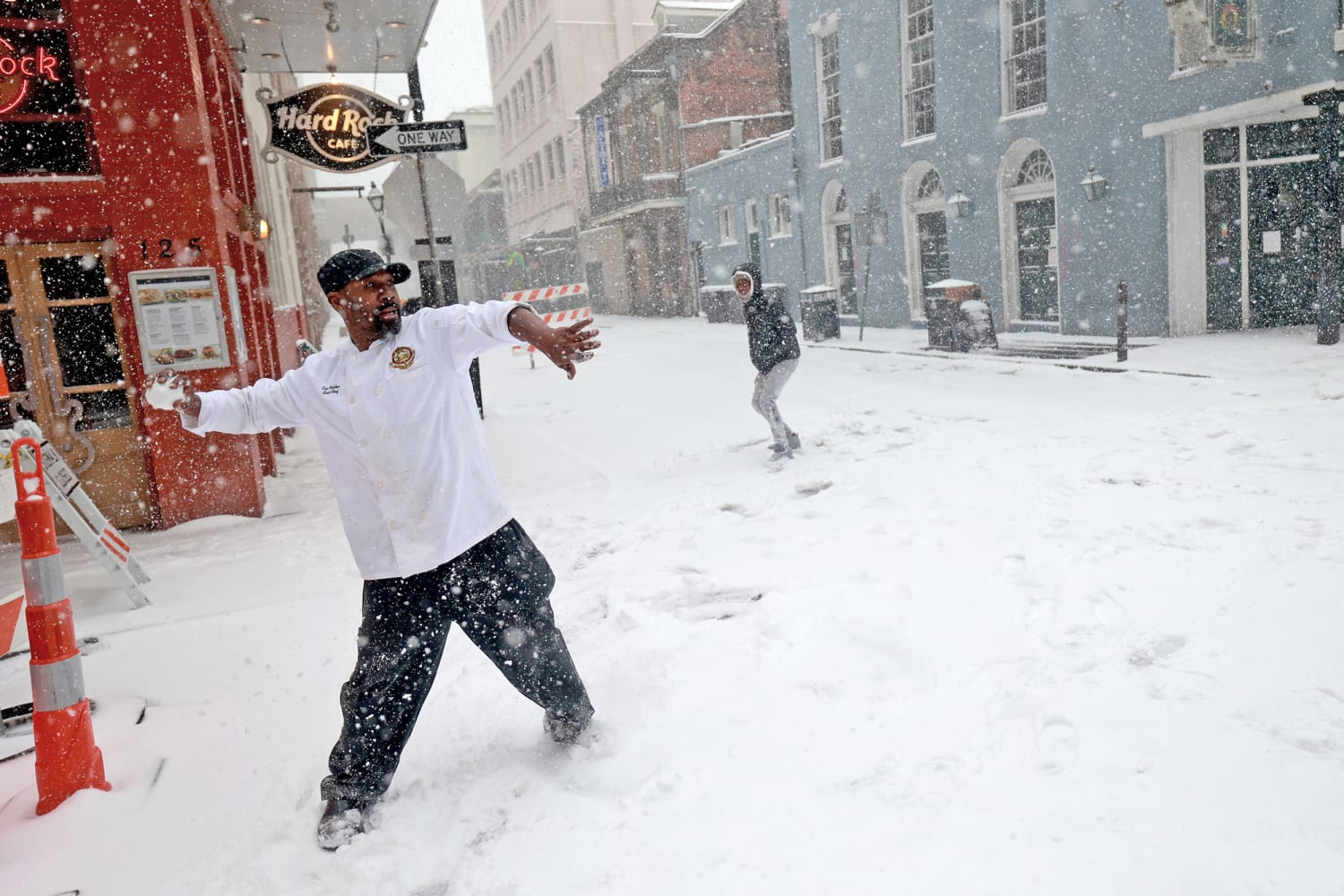
The prospect of snow in New Orleans is a concept that feels almost paradoxical to many travelers and locals alike. Known for its sultry humidity, subtropical climate, and the sweltering heat of its famous summers, the Crescent City is rarely associated with winter precipitation. Yet, history tells a different story. When the flakes do fall in this vibrant Louisiana hub, the city transforms in ways that are both magical and paralyzing. Understanding the true impact of snowfall in this region requires looking back at the rare weather events that have coated the French Quarter in white.
A Rare Phenomenon in the Crescent City
Snow in New Orleans is not a seasonal expectation; it is a statistical anomaly. The city sits at a low latitude where temperatures rarely drop low enough to support snow accumulation. When it does happen, it is often a light dusting that melts almost as soon as it touches the ground, or a brief, intense burst that captures the attention of the entire United States.
The Historical Context of Southern Snowfall
Throughout the 20th and 21st centuries, there have been only a handful of events that yielded measurable snowfall in New Orleans. The most significant event in recent memory occurred in 2008, when a winter storm brought a mixture of sleet and snow that covered the city in a thin, frozen layer. Older residents still recount the legendary snowfall of 1895, which remains one of the largest on record. In that instance, the city was buried under roughly 8 to 10 inches of snow, an amount that would be considered a major storm even in northern climates.
Understanding the Climate Dynamics
The reason for this rarity lies in the influence of the Gulf of Mexico. The warm waters act as a thermal buffer, keeping the air temperatures relatively mild even during the depths of January. For a “White Christmas” or even a mid-winter blizzard to occur, there must be a precise, often rare, collision of cold, dry air surging from the Arctic and sufficient moisture arriving from the coast. Most of the time, winter in Louisiana is defined by rain and cool, damp winds rather than ice or snow.
How Much Snow Does the City Actually Receive?
When people ask how many inches of snow New Orleans gets, the answer is rarely a single number, but rather a collection of traces and flurries. On the rare occasions that measurable snow does occur, it is usually between 0.1 and 1.0 inches. Anything exceeding two inches is considered a historic weather event.
Comparing Traces to Accumulations
In the context of the South, a “trace” of snow is a cultural event. Traffic often grinds to a halt, and businesses near Canal Street may close early. Unlike cities in the Midwest that are equipped with fleets of snowplows and salt spreaders, New Orleans lacks the infrastructure to manage frozen precipitation. Consequently, a mere half-inch of snow can cause more disruption here than six inches might cause in a city like Chicago.

The 2008 and 2017 Events
In recent history, the 2008 event left a lingering impression on the city. It was the first time in over a decade that residents saw a significant accumulation, with many areas seeing roughly one inch. Later, in December 2017, a winter storm moved through the region, providing a picturesque dusting that delighted tourists near Jackson Square. These events are celebrated for their beauty rather than their intensity, providing a rare aesthetic shift for a city defined by iron balconies and lush gardens.
Experiencing the City During Unusual Weather
While you cannot plan a trip to New Orleans specifically to see snow, the city’s character changes dramatically when the temperature plummets. Travelers who find themselves in town during a cold snap get to witness a side of the city that is rarely captured on postcards.
The Impact on Tourism and Activities
During a freeze, the typical outdoor activities, like strolling through the Garden District, become much more brisk. The local culture, however, remains resilient. Many tourists find that a cold day is the perfect excuse to duck into a historic jazz club or enjoy a warm bowl of gumbo at a local café near Bourbon Street. The cozy atmosphere of the city’s historic architecture is heightened when the air is biting cold, and the bustling energy of the crowds remains undiminished.
Preparing for a “Winter” Visit
If you are traveling to Louisiana during the winter months, it is essential to pack in layers. Even if it doesn’t snow, the damp, coastal cold can be surprisingly penetrating. While you likely won’t need heavy parkas or snow boots, a sturdy jacket and comfortable, moisture-resistant shoes are highly recommended. Regardless of the thermometer, the hospitality of the Deep South ensures that you will stay warm with world-class dining, live music, and the enduring charm of the Mississippi River region.
Why Snow Matters to the Local Spirit
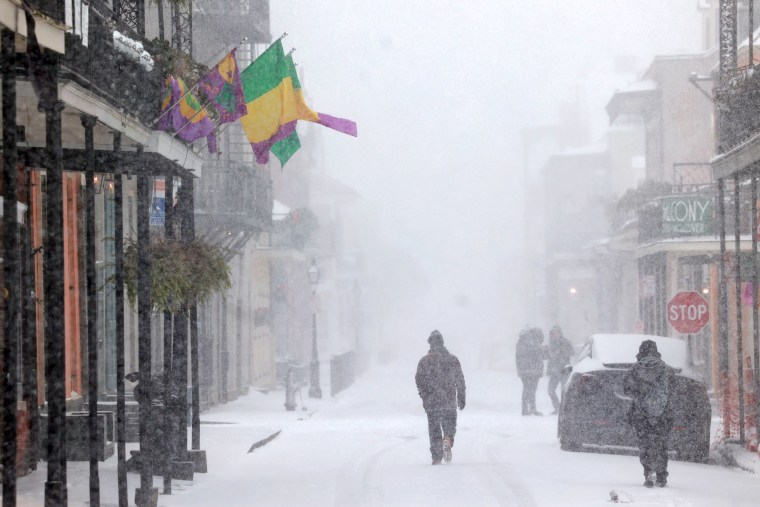
The rarity of snow in New Orleans is precisely what makes it a point of local fascination. In a city that thrives on celebration, a dusting of snow becomes an excuse for a spontaneous block party. Neighbors gather on porches, children experience their first taste of winter, and the iconic, colorful architecture of the Marigny neighborhood takes on a muted, ethereal quality under a rare white blanket.
Cultural Resilience and Humor
The city’s response to frozen weather is rooted in a sense of humor. Because snow is so infrequent, locals treat it with a sense of wonder rather than annoyance. You are just as likely to see a snowman topped with a Mardi Gras mask as you are to see someone struggling to navigate the icy slick of a porch. This ability to find beauty and humor in the unexpected is a defining feature of the local identity.
A Departure from the Ordinary
For the modern traveler, New Orleans remains a destination of constant discovery. Whether the sun is shining on the St. Charles Avenue streetcar or a rare ice storm is glazing the branches of the ancient oak trees in City Park, the city retains an unmatched atmosphere. While you may never see deep snowdrifts or participate in winter sports here, catching the city under even the slightest wintry spell is a privilege that few travelers ever get to experience. It serves as a reminder that even in the most predictable climates, nature has a way of throwing a curveball that leaves a lasting impression on the heart of every visitor.
LifeOutOfTheBox is a participant in the Amazon Services LLC Associates Program, an affiliate advertising program designed to provide a means for sites to earn advertising fees by advertising and linking to Amazon.com. Amazon, the Amazon logo, AmazonSupply, and the AmazonSupply logo are trademarks of Amazon.com, Inc. or its affiliates. As an Amazon Associate we earn affiliate commissions from qualifying purchases.