
The shadow of Hurricane Katrina looms large over the historical narrative of the United States. When the storm made landfall on August 29, 2005, it did more than just damage infrastructure; it fundamentally altered the fabric of New Orleans. To understand the tragedy, one must look past the architectural wreckage and into the heart of the human toll that forever changed this iconic Louisiana city.
Quantifying the Tragedy: The Statistics of Loss
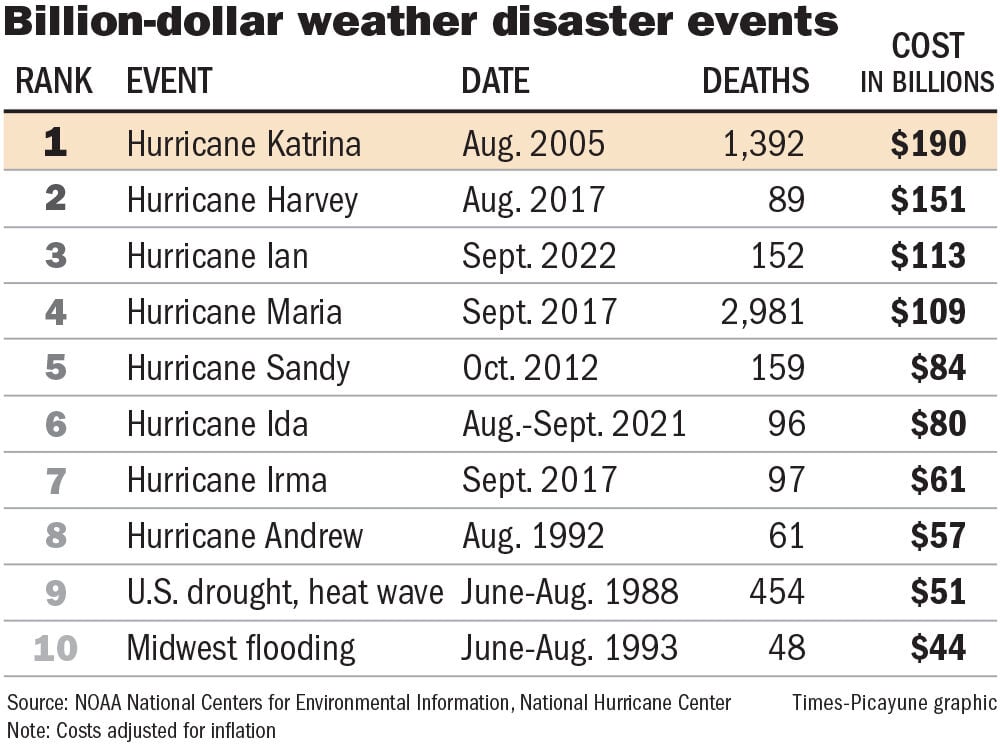
Determining an exact number of fatalities following a disaster of this magnitude is a complex, often emotionally fraught endeavor. Official reports from the Louisiana Department of Health concluded that 1,833 people lost their lives in the Gulf Coast region as a direct or indirect result of the storm. Of that total, the vast majority—roughly 1,577—occurred within the state of Louisiana, with the overwhelming majority of those deaths taking place in New Orleans.
Defining Direct and Indirect Mortality
Mortality in the wake of such a catastrophe is categorized into two primary buckets. Direct deaths include those caused by drowning, trauma, or structural collapse during the immediate impact of the storm and the subsequent levee failures. Indirect deaths, however, are just as significant. These include fatalities caused by the interruption of vital medical services, the exacerbation of chronic health conditions due to stress, or accidents during the chaotic evacuation and recovery phases. In a city like New Orleans, where the social infrastructure was already strained, the inability to access dialysis, insulin, or heart medication turned manageable conditions into fatal ones.
The Challenge of Undercounted Populations
Historians and researchers often argue that the official toll might be an underestimate. Many individuals were never formally categorized as “Katrina deaths” because their passing occurred months later, disconnected from the immediate chaos by bureaucratic timelines. Furthermore, the transient nature of certain populations and the initial inability of FEMA to conduct comprehensive welfare checks in the most devastated Ninth Ward meant that some victims remained unaccounted for long after the floodwaters receded.
The Geography of Despair: Where the Lives Were Lost
The geography of New Orleans played a critical role in the human cost. The city is a bowl, with many neighborhoods sitting below sea level. When the Lake Pontchartrain levee system failed, the water did not merely rise; it surged with the force of an inland tsunami.
The Failure of the Levees
The breach of the Industrial Canal and the 17th Street Canal led to the inundation of roughly 80% of the city. For the residents who chose to stay or who were physically unable to evacuate—many of whom resided in areas like St. Bernard Parish—the flooding happened in the middle of the night. The death toll was highest among the elderly, many of whom were trapped in attics or nursing homes that were poorly prepared for a flood of that velocity.

Impact on Vulnerable Communities
A significant portion of those who perished were among the city’s most vulnerable. Poverty was a silent contributor to the fatality rate. Without personal vehicles to escape the Superdome area or the means to afford transportation out of the state, thousands were left waiting for government intervention that was catastrophically delayed. The demographic profile of the victims highlighted deep-seated inequalities that had persisted for decades, making the disaster not just a natural one, but a sociological crisis as well.
Memorializing the Lost: A City Reborn
Today, the memory of those who died is etched into the cultural landscape of New Orleans. Visitors walking through the French Quarter or visiting the Garden District will find that the recovery is ongoing. The city’s identity is now inextricably linked to its survival and the collective grief of its residents.
The Katrina Memorial
Located in Mid-City, the Katrina Memorial serves as a place of profound reflection. It is here that many of the unidentified victims were laid to rest. It is a site that reminds tourists and locals alike that behind every statistic is a human life, a family, and a story. The presence of such a landmark ensures that the scale of the loss is never sanitized or forgotten in the excitement of the city’s vibrant tourism culture.
Cultural Resilience and History
New Orleans has always been defined by its ability to dance through tragedy. From Jazz funerals to the colorful traditions of Mardi Gras, the city honors the departed by continuing to exist in defiance of the odds. The resilience of the Creole and Cajun communities remains a testament to the fact that while the storm took thousands, it could not take the spirit of the Deep South.
Lessons Learned and the Future of Disaster Preparedness
The tragedy of the death toll in New Orleans forced a global re-evaluation of how cities prepare for extreme weather. Since 2005, millions of dollars have been poured into the Hurricane and Storm Damage Risk Reduction System. This massive engineering project was designed to ensure that the catastrophic failures of the past would not be repeated.
Infrastructure and Awareness
Modern visitors to New Orleans will see the massive floodgates and hardened pumping stations that define the new defensive perimeter of the city. These landmarks of engineering are not just tourist sights; they are symbols of the city’s commitment to protecting its future residents. The focus has shifted toward proactive evacuation plans and better integration with state agencies in Mississippi and Alabama, recognizing that regional cooperation is the only way to mitigate the risk of mass fatalities.

The Ongoing Narrative
Writing about the number of deaths in New Orleans is not just an exercise in tallying numbers; it is an act of historical preservation. When one stands on the banks of the Mississippi River, looking toward the skyline, it is impossible not to feel the weight of what happened nearly two decades ago. The city remains a beacon of cultural history, but it is a city that bears the scars of a very hard lesson. By keeping the memory of those lost alive, New Orleans continues to educate the world about the fragility of urban life and the necessity of justice, safety, and community support in the face of inevitable environmental change. The 1,833 lives lost are not just a footnote—they are the foundation of the current, stronger, and more vigilant New Orleans.
LifeOutOfTheBox is a participant in the Amazon Services LLC Associates Program, an affiliate advertising program designed to provide a means for sites to earn advertising fees by advertising and linking to Amazon.com. Amazon, the Amazon logo, AmazonSupply, and the AmazonSupply logo are trademarks of Amazon.com, Inc. or its affiliates. As an Amazon Associate we earn affiliate commissions from qualifying purchases.