
Traveling across the vast landscape of New York State offers a unique look at the diversity of the American Northeast. For many, the journey between Buffalo and New York City represents a transition from the industrial majesty of the Great Lakes to the relentless energy of the world’s most iconic metropolis. Understanding the logistics of this trip is essential for anyone planning an itinerary that seeks to balance the natural wonder of the north with the urban sophistication of the Atlantic coast.
Distance and Duration: Understanding the Map
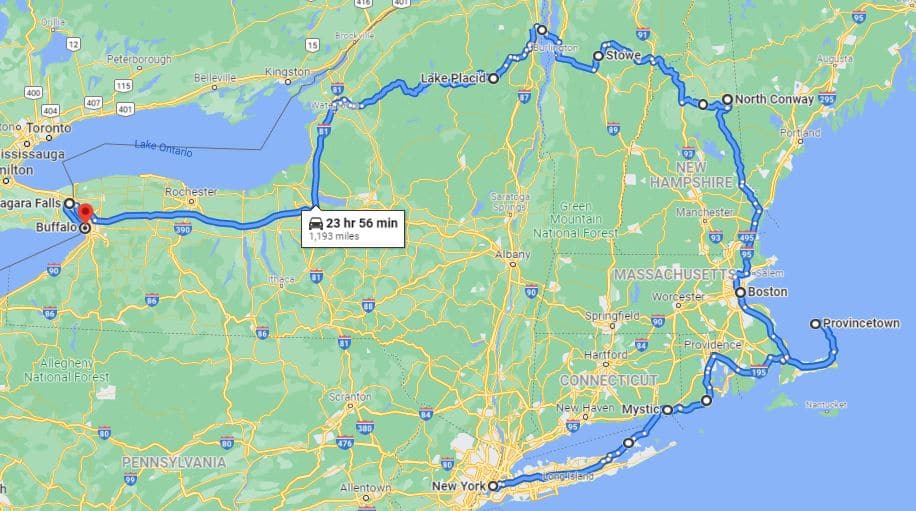
The distance between these two urban hubs is approximately 375 to 450 miles, depending entirely on the chosen route and mode of transportation. While the direct aerial distance is shorter, ground travel requires navigating the geography of the Appalachian plateau and the winding corridors of the historic Erie Canal region.
Driving Across the Empire State
For travelers who prefer the autonomy of the open road, driving is the most common method. Taking the Interstate 90, also known as the New York State Thruway, provides a direct arterial connection between Buffalo and the New York City metro area. On average, this drive takes between seven and eight hours under optimal traffic conditions. However, the route passes through major regional hubs like Rochester, Syracuse, and Albany, which can significantly impact travel times depending on construction, seasonal weather, or rush-hour congestion near the destination.
Rail Travel via Amtrak
The Amtrak service, specifically the Empire Service line, offers a scenic and relaxed alternative to driving. Departing from the Buffalo-Depew Station, passengers are treated to views of the Mohawk Valley and the Hudson River. The journey typically takes between eight and nine hours. While this may seem longer than driving, the ability to work, read, or enjoy the dining car makes it a preferred choice for those looking to avoid the fatigue of long-distance navigation.
Strategic Planning for the Journey
Whether you are traveling for leisure or business, the route from Buffalo to New York City should be viewed as a gateway to exploring the heart of the state. Strategic planning involves more than just selecting a transport mode; it involves considering the timing of your departure and the potential for overnight stops.
Navigating Seasonal Variability
One of the most important factors for any traveler in New York State is the weather. Winter travel along the New York State Thruway can be unpredictable, especially through the snow belt regions near Buffalo. It is standard practice for frequent travelers to check regional weather reports and monitor Department of Transportation updates during the winter months. Conversely, the summer and autumn months provide spectacular foliage and clear road conditions, making them ideal times for a road trip through the Finger Lakes region.
Optimizing Travel Logistics
To make the most of the distance, many travelers choose to break the trip into two segments. Stopping in Albany allows travelers to visit the New York State Capitol or explore the historical sites of the Hudson Valley before completing the final leg into New York City. This approach turns a logistical necessity into an enrichment of the overall travel experience, allowing for a more immersive look at the state’s interior geography.
Comparing Modes of Transit
Choosing the right way to travel depends on your budget, time constraints, and travel philosophy. Each method presents a different perspective on the landscapes that link Buffalo and New York City.
The Case for Air Travel
For those on a tight schedule, air travel remains the fastest option. Direct flights from Buffalo Niagara International Airport to John F. Kennedy International Airport, LaGuardia Airport, or Newark Liberty International Airport typically take about one hour of flight time. Once you account for airport security and commute times to and from city centers, the total travel time is reduced to approximately three to four hours. While efficient, this method sacrifices the scenic beauty of the Adirondack Mountains and the Catskill Mountains that ground travelers enjoy.
Bus Travel and Connectivity
Coach travel provides an affordable and reliable middle ground. Services like Greyhound or Trailways offer frequent departures from Buffalo. These buses are often equipped with modern amenities, including Wi-Fi and power outlets, catering to students and professionals alike. While these services rely on the same highway infrastructure as personal vehicles, they allow the traveler to disengage from the stresses of traffic and focus on the destination ahead: the iconic skyline of New York City.
Enhancing the Travel Experience
The journey between these two major destinations is a trip through the history of American commerce and migration. By recognizing that the distance is not merely an obstacle to be overcome, but an opportunity to see the interior of the country, travelers can elevate their experience.

Essential Tips for a Smooth Trip
- Book in Advance: Whether taking the train or flying, early booking significantly reduces costs and ensures availability, especially during peak holiday travel.
- Prepare for Traffic: If driving, aim to pass through major metropolitan areas like Syracuse or Albany during off-peak hours to save significant time.
- Pack Smart: If taking the Amtrak line, bring a portable battery charger and comfortable clothing, as the scenic journey is designed for leisure.
- Stay Informed: Download relevant transit applications to monitor real-time delays, road closures, or flight changes.
Traveling from Buffalo to New York City is a quintessential American journey. By weighing the speed of aviation, the comfort of rail, and the flexibility of the car, every traveler can find the perfect way to traverse the beautiful state of New York. Whether you are heading to the coast for business or to the Great Lakes for a relaxing retreat, understanding the distance and the options available is the first step toward a successful trip. The diversity of the route—from the mist of Niagara Falls to the neon lights of Times Square—is a reminder of the vast, interconnected world that defines this region. Planning your route is not just about getting from point A to point B; it is about appreciating the path you take between two of the most significant cities in the United States.
LifeOutOfTheBox is a participant in the Amazon Services LLC Associates Program, an affiliate advertising program designed to provide a means for sites to earn advertising fees by advertising and linking to Amazon.com. Amazon, the Amazon logo, AmazonSupply, and the AmazonSupply logo are trademarks of Amazon.com, Inc. or its affiliates. As an Amazon Associate we earn affiliate commissions from qualifying purchases.